The Rundown Newsletter
View Results
Ian Campbell | May 28, 2026
Every runner eventually wonders the same thing: what is a good 5K time and how does mine compare?
Understanding a average 5k time helps you set realistic goals, track progress, and evaluate how effective your training really is. And for race directors, accurate run timing is essential for fair results and runner satisfaction.
Average 5K time for most runners is 25–35 minutes.
Your “good” time depends on age, training, course difficulty, and race-day conditions.
A “good” 5K time depends on age, fitness, course conditions, and timing method. Understanding the difference between chip time vs gun time is key, since chip timing ensures every runner’s result is recorded fairly—even in crowded starts.
If you’re searching for the average time for a 5K run, or wondering what is a good 5K time for beginners vs experienced, this guide gives you simple benchmarks you can actually use.
| Level | Time |
| Beginner | 30–40 min |
| Intermediate | 22–30 min |
| Advanced | 18–22 min |
| Elite | Under 18 min |
Download your complete 5K timing guide instantly using your email. Get clear, step-by-step insights to plan, manage, and improve your race timing setup with ease and confidence.
These benchmarks help runners set realistic goals and help race directors plan awards, pacing expectations, and finish-line flow.
If you want to understand how results are captured, here’s a full guide on how to time a 5K race.
A 5K race is 3.1 miles (5 kilometers).
While this is a simple conversion, many runners search for it to better understand pacing, training distances, and race expectations.
Here’s how a 5K compares:
Many people assume a 5K is “just 3 miles,” but that extra 0.1 mile can make a noticeable difference when pacing or trying to hit a time goal.
If you're new to racing, understanding distance is just as important as understanding what a good 5K time looks like.
If you want a quick breakdown of 5K, 10K, and marathon distances, see our full guide on 5K in miles and distance conversions.
| Finish Time | Pace per Mile | Pace per KM |
| 20:00 | 6:26/mi | 4:00/km |
| 25:00 | 8:02/mi | 5:00/km |
| 30:00 | 9:39/mi | 6:00/km |
| 35:00 | 11:17/mi | 7:00/km |
| 40:00 | 12:52/mi | 8:00/km |
If you’re finishing:
Around 30 minutes → you’re right in the middle of most recreational runners
Under 25 minutes → you’re above average
Over 35 minutes → still completely normal for beginners, walkers, and hilly courses
Context matters more than the number. Course difficulty, weather, and timing method can shift results by several minutes.
Yes, a 30-minute 5K is considered a solid average time for most recreational runners.
This is one of the most searched questions—don’t miss it.
Accurate race timing ensures fair results and gives runners confidence in their performance.
There are two main timing methods used today, but they’ve evolved significantly over time—here’s a quick look at the history of race timing to understand how we got here:
Most official races use RFID chip timing to track—typically using a bib with timing chip that records each runner’s start and finish automatically:
Platforms like Run The Day integrate run timing, registration, and live results into a single 5K timing system—ensuring fast, accurate data for every participant.
Not all 5Ks are equal. These factors influence how fast you can run:
Runners with structured workouts (speed intervals, tempo runs) clock better 5K times.
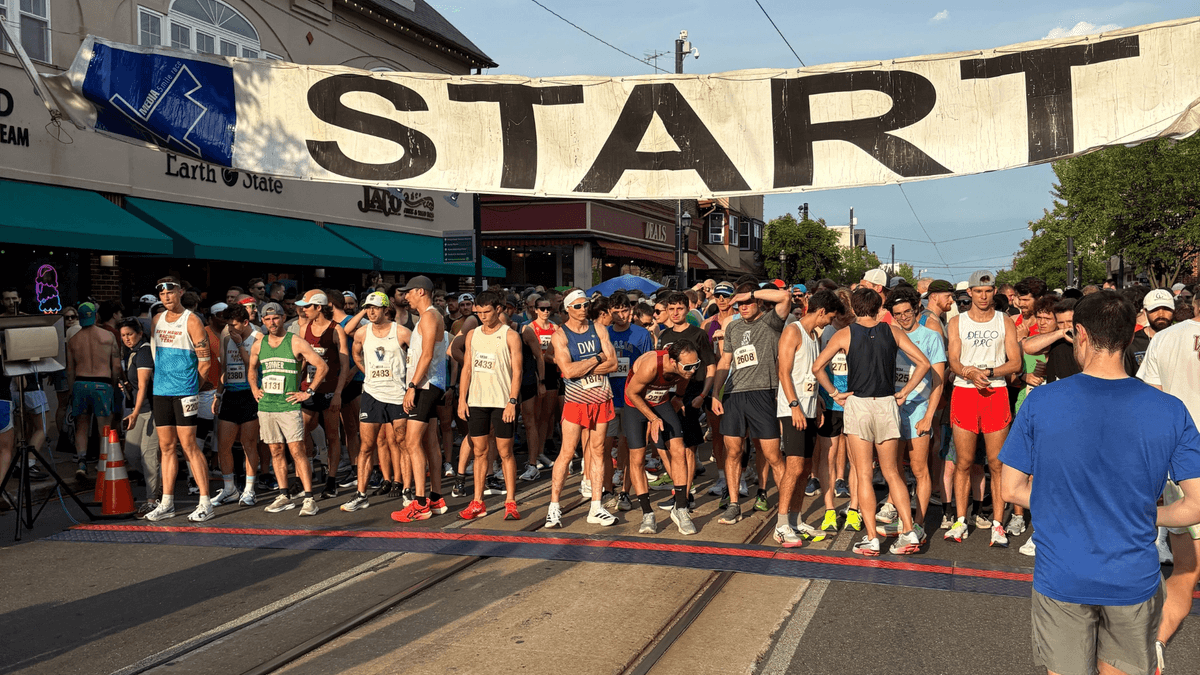
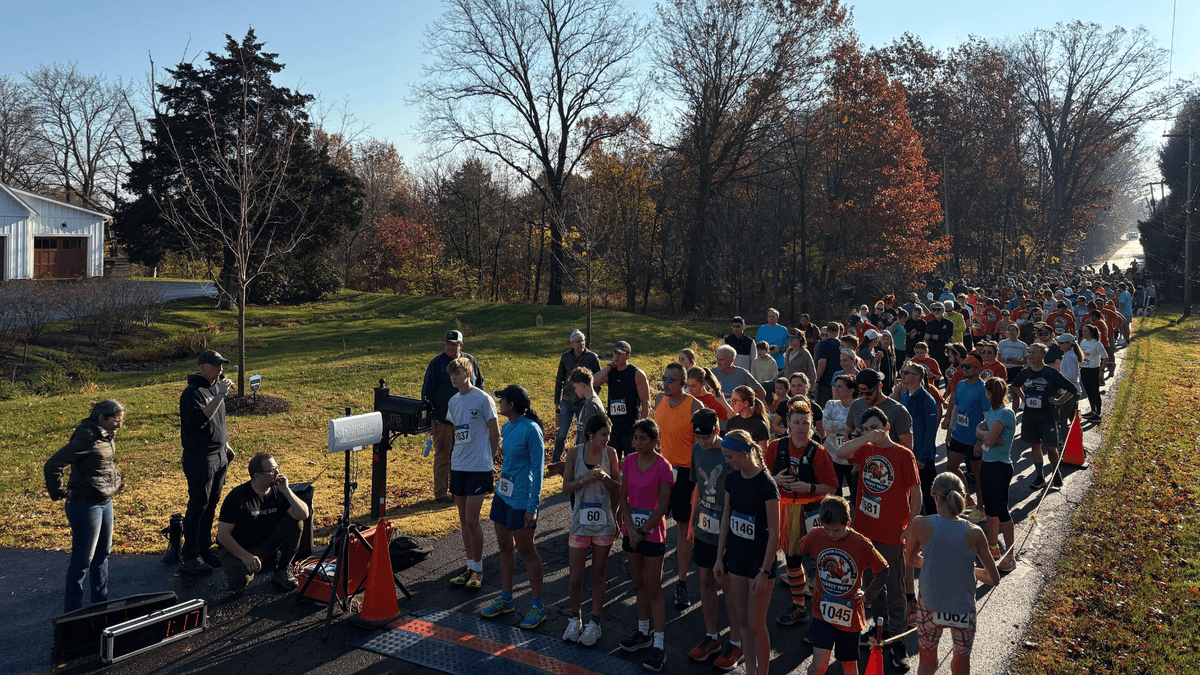
Large events create energy but slower starts due to crowding.
Chip timing ensures late starters aren’t penalized and makes individual times fair and precise.
➡️ Need help? Get a race timing quote from Run The Day for full-service or self-serve timing setups. Packages start at $499 per event.
Run timing technology is built to deliver fast, precise, and accurate race timing results—even for large events where precision matters most.
Modern run timing systems use a combination of hardware and race timing software to track every participant from start to finish.
Professional timing systems use RFID technology to ensure precision.
A quick reference chart for organizers and runners:
| Category | Average Time | Competitive Time |
| Male (All Ages) | 29:00 | 22:00 |
| Female (All Ages) | 34:00 | 26:00 |
| Youth (Under 18) | 32:00 | 24:00 |
| Masters (50+) | 38:00 | 30:00 |
Pro Tip: Run The Day helps race directors and every 5K organiser deliver accurate award results and real-time leaderboards.
Whether you’re timing a race or participating in one, Run The Day’s platform helps streamline results and support reliable race timing solutions for events of all sizes.
Your average 5K time is more than just a number—it’s a benchmark that tells your story as a runner. Whether you’re chasing a PR or timing a community race, accurate results and reliable timing systems make every second count.
Q1: What is a good 5K time?
A good 5K time for most runners is 25–35 minutes. Beginners often finish in 30–40 minutes, while experienced runners typically run under 25 minutes.
Q2: What is the average 5K time for most runners?
The average 5K time is around 28–34 minutes for recreational runners. New runners may take 32–40 minutes depending on fitness and experience.
Q3: How long is a 5K in miles?
A 5K is 3.1 miles or 5 kilometers. It’s one of the most popular race distances for beginners and experienced runners alike.
Q4: What is a competitive 5K time?
A competitive 5K time is typically under 25 minutes for most runners. Times under 20 minutes are considered advanced or club-level performance.
Q5: Is a 30-minute 5K good?
Yes, a 30-minute 5K is a solid, above-average time for recreational runners and a common benchmark for beginners improving their pace.
Q6: What affects your average 5K time?
Your 5K time depends on factors like fitness level, training consistency, terrain, weather, and race timing accuracy. Flat courses and cooler weather usually lead to faster times.
Wondering about pricing? Here’s a full breakdown of how much a 5K run costs to time so you can plan your event budget more accurately.