The Rundown Newsletter
View Results
Ian Campbell | September 17, 2026
A race bib is the numbered piece of paper or synthetic material that a runner wears during a race. It identifies the participant and can also connect the runner to registration, timing, results, and race-day information.
Depending on the race, a bib may include a runner's bib number, name, event information, sponsor logos, a QR code, or an RFID timing chip.
If you're a runner wondering what a race bib is or a race organizer planning bibs for a 5K, this guide explains what race bibs mean, how they work, how they're designed, and how timing chips can be incorporated.
A race bib is a numbered identifier worn by a participant during a running event.
The bib number helps race organizers identify runners throughout the event. It can be used for:
Not every race bib contains an RFID chip. Some races use traditional bibs with manual or visual identification, while professionally timed races may use bibs with an RFID chip attached to the back.
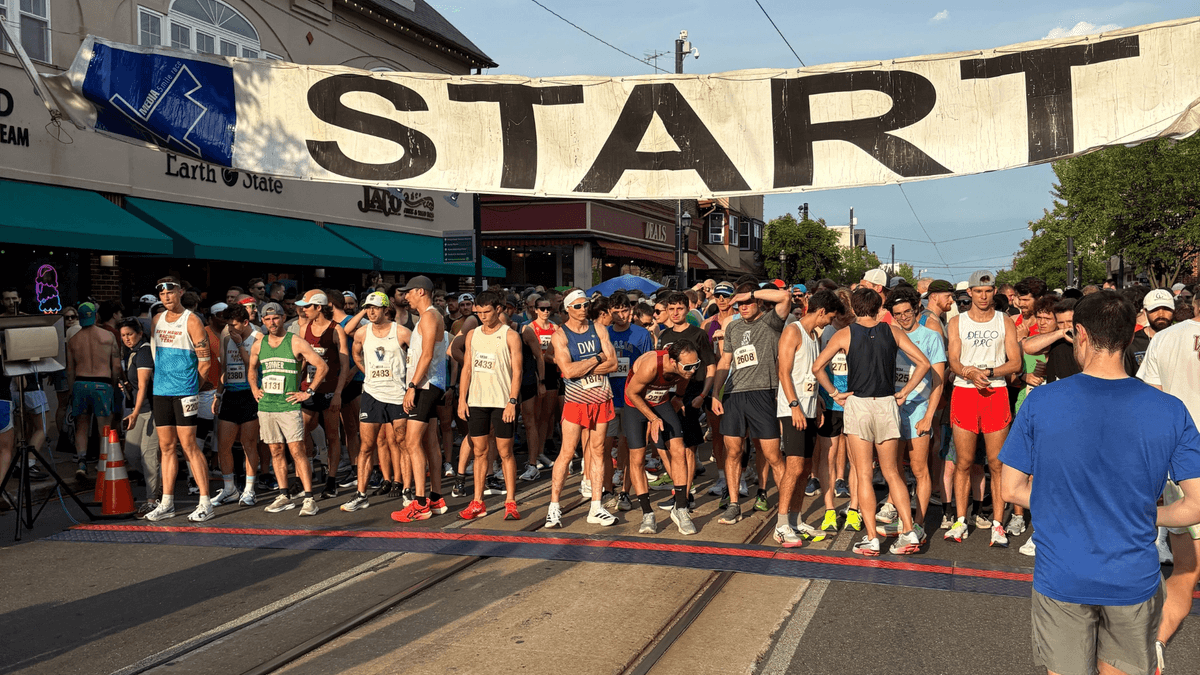
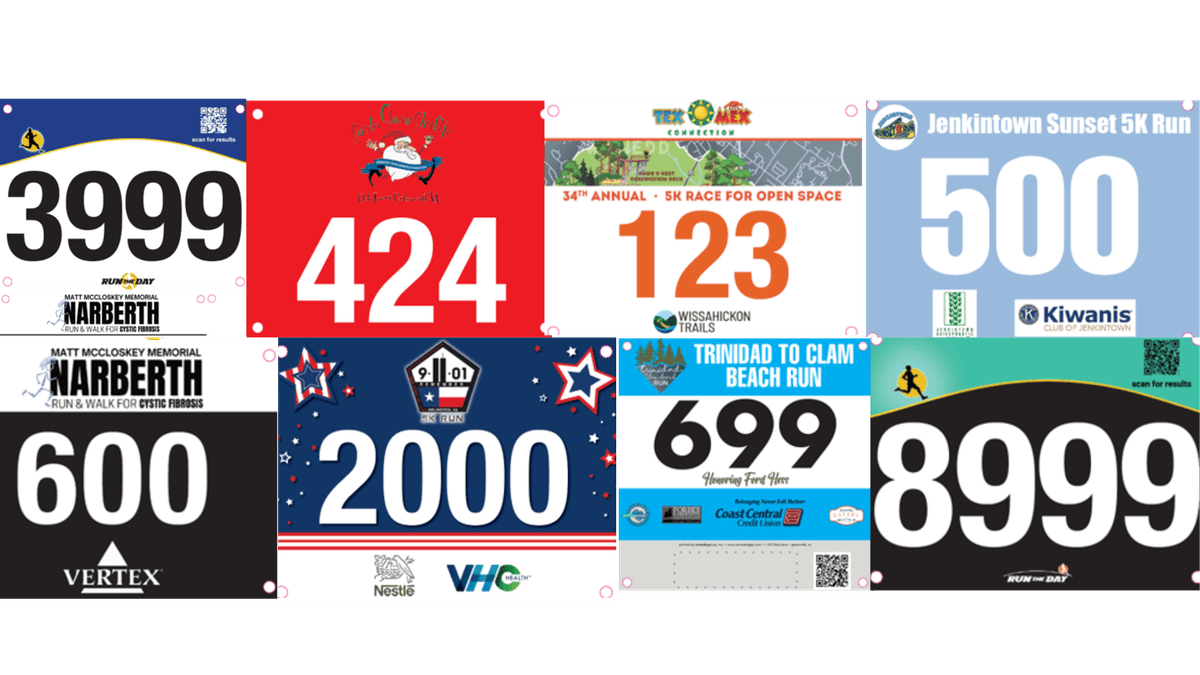
A typical race bib is a rectangular piece of material designed to be worn on the front of a runner's shirt.
A race bib may include:
The exact information depends on the race and the way the bib is being used.
A bib number is the unique number assigned to a participant.
For example, a race might assign runners numbers such as:
Race organizers use these numbers to identify participants during check-in, timing, results processing, and other race-day activities.
For a professionally timed race, the bib number is also typically connected to the participant's registration record and timing information.
Race bibs have several purposes beyond simply displaying a number.
A visible bib number helps race staff identify participants quickly.
When a race uses RFID timing, the timing chip associated with the bib allows timing equipment to identify the runner as they cross a timing point.
The bib number connects the runner's identity with their race result, making it easier to publish results and assign age-group awards.
Race bibs provide a highly visible place for sponsor logos and event branding.
A clear bib number can help race organizers and runners identify participants in race photos.
Custom bib designs can reinforce the identity of the race and create a more memorable experience for participants.
Some race bibs have timing chips, but not all do.
In professionally timed races, an RFID timing chip may be attached to the back of the race bib.
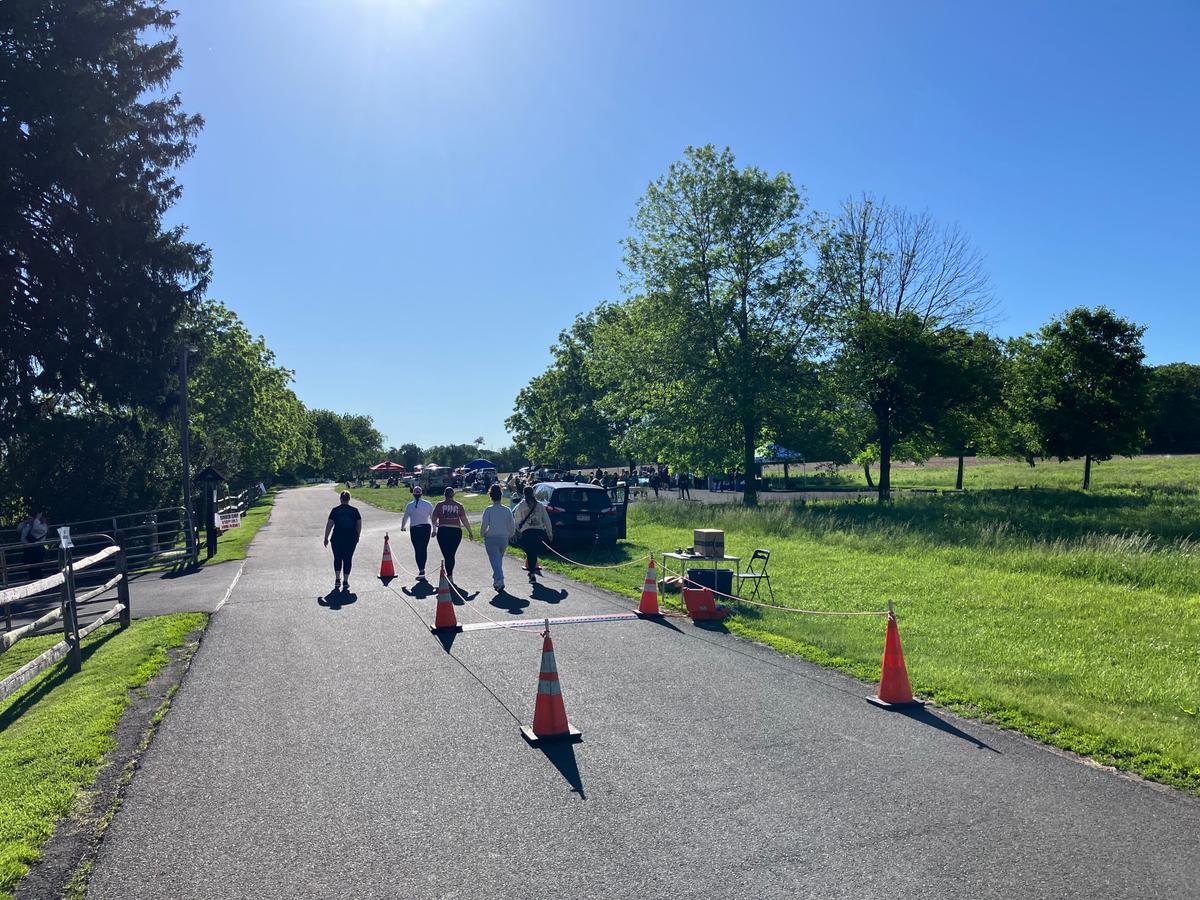
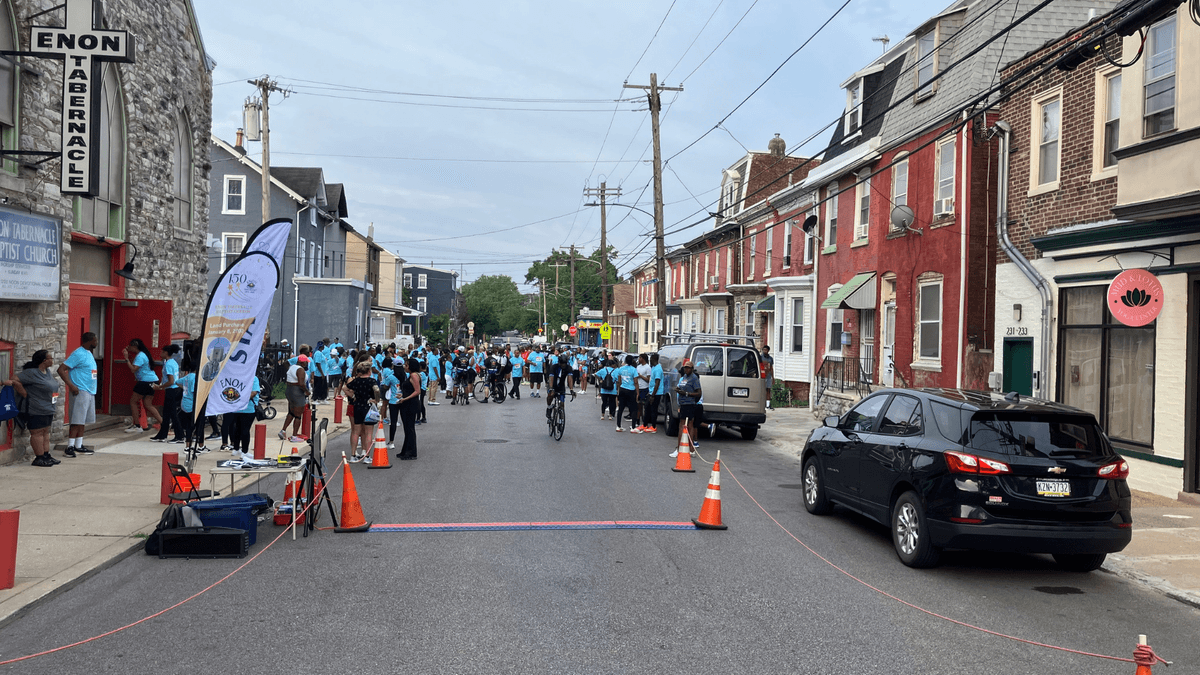
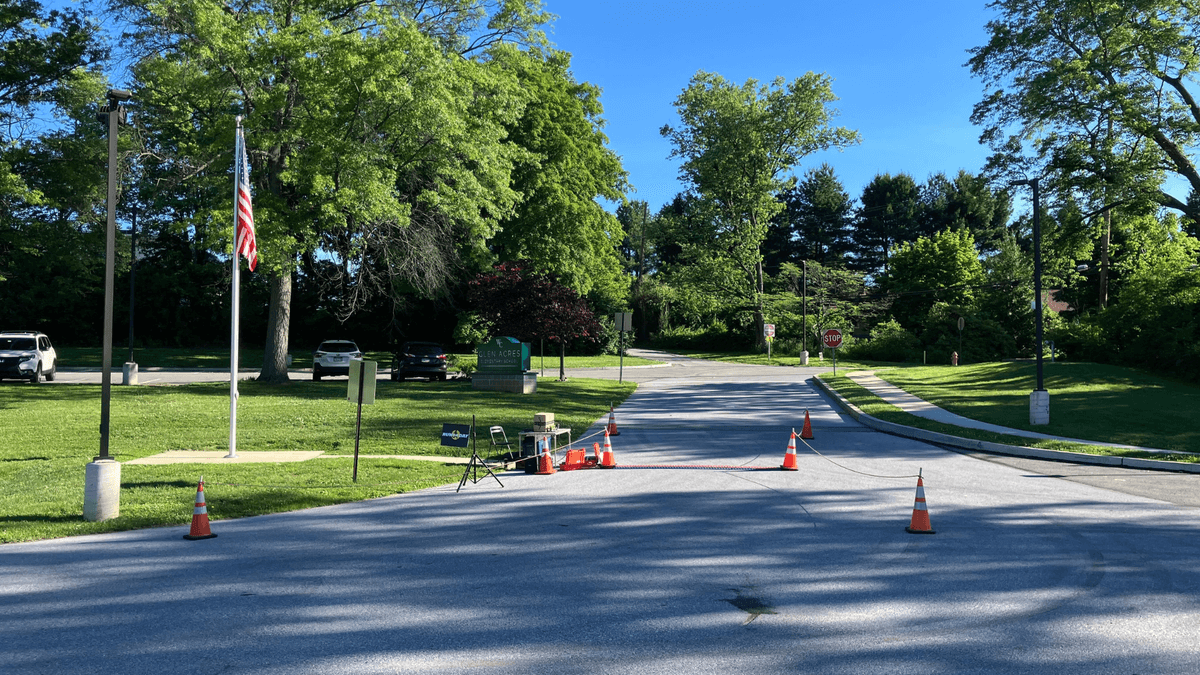
When a runner crosses a timing point, such as the start, finish, or a split location, the timing equipment detects the chip and records the runner's time.
A typical RFID timing system includes:
The bib itself isn't what records the time. The RFID chip and timing equipment work together to capture the runner's crossing time.
For a deeper explanation, see our guide to 5K race timing equipment.
A race bib with an RFID chip connects the participant's bib number to the timing system.
The basic process looks like this:
This allows race organizers to process large numbers of participants without manually recording every finish time.
For more information about how this technology works, see how chip timing works for 5Ks.
A 5K race bib is simply the participant bib used for a 5K event.
It serves the same basic purposes as a bib in other running events: identifying participants, supporting timing and results when applicable, and displaying event and sponsor information.
A 5K bib might include:
For larger or professionally timed 5Ks, the bib may be integrated with the race's RFID timing system.
There isn't one universal race bib size. Dimensions vary depending on the race, printing provider, timing technology, and design.
When choosing a bib size, race organizers should make sure there is enough space for:
The number should be easy for volunteers, photographers, and race staff to see from a reasonable distance.
For a professionally timed event, organizers should also follow the timing provider's requirements for bib placement and chip configuration.
A good race bib balances readability, branding, and functionality.
At minimum, make the participant number easy to see.
You can also include:
Make the event immediately recognizable.
Use available bib space to give sponsors visibility.
Personalized bibs can make the event feel more personal.
A QR code can connect participants to race results, event information, or other resources.
If your event has multiple distances, clearly identify whether the bib belongs to the 5K, 10K, fun run, or another event.
Avoid making the bib so visually busy that the participant number becomes difficult to read.
Race organizers generally have two broad approaches to bib design.
These prioritize identification and timing.
They typically feature:
They're designed primarily for race-day operations.
Custom bibs put more emphasis on branding and the participant experience.
They can include:
Custom bibs can also become keepsakes for participants after the race.
Bib management starts before race day.
A typical process includes:
Keeping registration and bib information organized can reduce manual work on race day.
Run The Day's registration and race-management software connect participant information with race-day operations, helping race organizers manage registration, bib assignments, check-in, timing, and results.
If a participant loses a bib before the race, the race organizer should update the participant's information and assign a replacement bib according to the event's process.
For a timed race, it's especially important to make sure the replacement bib or timing chip is correctly associated with the runner's registration record.
This prevents the timing system from associating the finish with the wrong participant.
Bibs are only one part of race preparation.
Our free 5K Race Planning Checklist helps you organize registration, bib assignments, volunteers, sponsors, timing, race-day logistics, and post-race tasks.
Run The Day helps race organizers manage the participant information that connects registration, bib assignments, timing, and results.
Depending on the race and timing setup, organizers can use Run The Day for:
For professionally timed races, RFID timing can connect a runner's bib and participant information with timing equipment and results.
For smaller events that don't require RFID timing, Run The Day also offers a DIY race timing option designed for smaller races.
A race bib is a numbered identifier worn by a participant during a running event. It helps identify runners and can connect them with registration, timing, results, and race-day information.
A race bib number is the unique number assigned to a runner for an event. Race organizers use it to identify participants during check-in, timing, results, and awards.
A bib in running is the numbered identifier that a participant wears during a race. It usually displays a bib number and may also include the runner's name, race branding, sponsor logos, and an RFID timing chip.
Some race bibs have RFID timing chips attached to the back. These chips allow compatible race timing equipment to identify runners as they cross timing points. Not every race bib contains a timing chip.
An RFID race bib is a race bib that has an RFID timing chip attached or integrated into it. The chip communicates with race timing equipment to record a participant's time when they cross a timing point.
Race bib dimensions vary by event and printing provider. The bib should be large enough to display the participant number clearly while providing enough space for required event, sponsor, and timing information.
A 5K bib is the participant bib used for a 5K race. It identifies the runner and may include race branding, a bib number, sponsor logos, a QR code, or an RFID timing chip.
Race bibs are generally worn visibly on the front of the runner's shirt. For races using RFID timing, participants should follow the race organizer's instructions because the bib's position can be important to the timing setup.
Race policies vary, but participants generally need an assigned bib for organized races. The bib identifies the participant and, in timed events, may be connected to their official race result.
A race bib may look simple, but it can play an important role in the entire race-day process.
For runners, it identifies their race and participant number. For race organizers, it can connect registration, timing, results, sponsorship, and event branding.
If the race uses RFID timing, the bib can also carry the timing chip that allows the timing system to automatically record runners at the start, finish, or split points.
Whether you're ordering standard 5K bibs or designing custom bibs for a larger event, focus on clear identification, readable numbers, practical design, and compatibility with your timing setup.
Planning your next race? Run The Day can help with registration, bib management, professional timing, results, and race-day support.
Tell us about your race to see how Run The Day can simplify your race operations.