The Rundown Newsletter
View Results
Ian Campbell | September 30, 2026
If you're looking for a cheap race timing system for a 5K, charity race, school run, or community event, DIY timing can be a practical option for smaller races. Instead of hiring a professional timing company, race organizers can use a mobile timing system to check in participants, record finish times, and publish results.
Run The Day's DIY Race Timing solution is designed for races with approximately 50–250 runners. It uses a phone-based finish-line system rather than RFID timing chips and mats, making it a simpler option for smaller events.
But DIY timing isn't right for every race. Larger events, races requiring RFID chip timing, or events with multiple timing points may benefit from professional race timing services.
Here's how DIY race timing works, what equipment you need, how it compares with chip timing, and what to consider before choosing a system.
DIY race timing allows race organizers or volunteers to manage finish-line timing themselves instead of bringing in a professional timing company.
With a mobile timing system, a volunteer can record runners as they cross the finish line, manage participant information, and publish race results online.
A DIY race timing system can be a good fit for:
The main difference between DIY timing and professional chip timing is how the finish is recorded.
DIY systems can use a phone-based finish-line process, while professional systems typically use RFID timing chips, antennas, and timing mats to automatically capture runners as they cross timing points.
If you're planning your entire event, our 5K race planning checklist can help you organize registration, volunteers, sponsors, timing, and race-day logistics.
The basic process is straightforward:
With Run The Day's DIY timing system, a volunteer uses a phone at the finish line to record runners as they finish.
The system can then use the recorded bib numbers and finish times to produce online race results and award categories.
This approach eliminates the need for timing mats and RFID chips, which can make setup simpler for smaller races.
The right race timing system depends on the size and requirements of your event.
| Feature | DIY Race Timing | Professional Chip Timing |
|---|---|---|
| Best for | Smaller races | Larger races and more complex events |
| Timing method | Phone-based finish-line entry | RFID chip technology |
| Timing mats | No | Typically used |
| Timing chips | No | Yes |
| Finish-line staff | Race volunteer | Professional timing team |
| Live results | Yes | Yes |
| Setup | Simpler | More equipment and setup |
| Cost | Lower-cost option | Cost varies by event |
| Best fit | Approximately 50–250 runners | Larger fields or advanced timing needs |
DIY timing can work well when your event has a manageable number of finishers and you have volunteers who can operate the finish-line system.
Professional chip timing may make more sense when you have a larger field, multiple timing points, split times, or other requirements that call for RFID timing equipment and a professional timing team.
If you're comparing the two approaches in more detail, see our guide to DIY vs. chip timing.
One advantage of DIY timing is that you don't need the same equipment used by a professional RFID timing setup.
A typical DIY setup may include:
For comparison, professional chip timing can involve RFID timing chips, timing mats, antennas, decoders, timing software, and display equipment.
If you want to understand the equipment used in different race timing systems, see our guide to 5K race timing equipment.
DIY race timing is generally less expensive than hiring a professional timing team because the race organizer handles the finish-line timing instead of paying for a full timing crew and equipment setup.
Run The Day's DIY Race Timing package costs $499 per event and is designed for races with approximately 50–250 runners.
The package includes 100 numbered bibs, timing software, the mobile timing system, live results, and human support.
Professional race timing costs vary depending on the number of runners, equipment, timing requirements, and level of race-day support.
For a more detailed breakdown, read our guide to how much it costs to time a 5K race.
Trying to keep your race budget under control? Our free 5K race planning checklist helps you organize timing, registration, volunteers, sponsors, and race-day logistics before the event.
Run The Day's DIY Race Timing solution gives smaller races a way to manage their own finish-line timing without setting up an RFID chip timing system.
The package is designed for approximately 50–250 runners and costs $499 per event.
Instead of timing mats and RFID chips, the system uses a phone-based finish-line keypad. A volunteer records each runner's bib number as they cross the finish line, and results can be published online.
The package includes:
For smaller races, this provides an alternative to purchasing or setting up RFID timing equipment or hiring a professional timing crew.
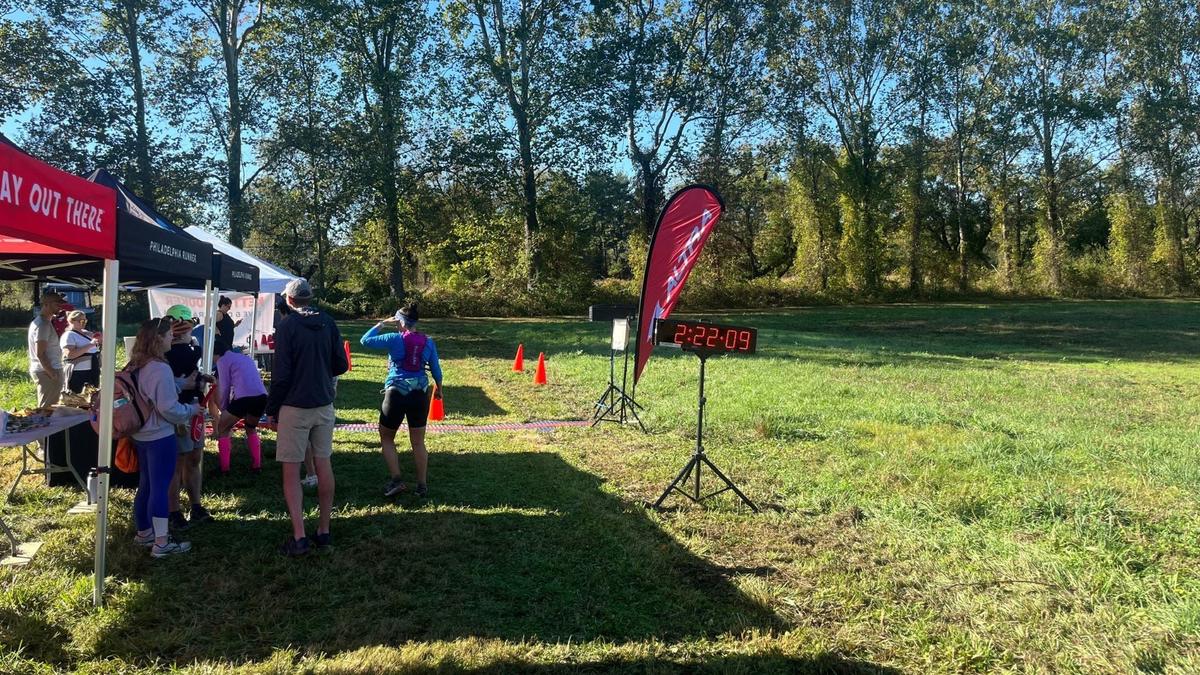
Cynthia Needham directed the Trapp Cabin Trail Races and used Run The Day's DIY platform to manage timing for the event.
The race:
The example shows how a race director can manage timing without bringing in an external timing crew.

Run The Day’s DIY race timing application helps smaller races save nearly 50% on timing costs. The starting cost of a base chip timing package tends to be around $1,000. Run The Day’s DIY Race Timing package with a flat fee of $499 allows you to deliver runners a high quality race experience at half the price.
DIY timing can be a good option when:
Run The Day's DIY timing solution is designed for approximately 50–250 runners.
A fixed DIY package can be easier to budget for than a more equipment-intensive timing setup.
DIY timing requires someone to operate the timing system and record runners as they finish.
If your event doesn't require timing mats, RFID chips, or multiple timing points, a phone-based system may be sufficient.
Smaller events often have simpler timing requirements and can benefit from a straightforward setup.
DIY timing isn't the right fit for every event.
Consider professional race timing if your event:
Professional timing can also reduce the amount of race-day timing work handled by your volunteers.
The right choice depends on your runner count, course setup, timing requirements, budget, and available volunteers.
DIY race timing allows race organizers to manage timing themselves using a timing application, mobile device, bibs, and a finish-line process rather than hiring a professional timing company.
For smaller races with a manageable number of runners, a properly organized DIY timing setup can provide useful race results. Race organizers should have a clear finish-line process and consider a backup timing method.
Run The Day's DIY Race Timing package costs $499 per event and is designed for approximately 50–250 runners. The package includes 100 numbered bibs and the timing system.
The equipment depends on the system you use. A phone-based DIY setup can require a smartphone, timing application, race bibs, and a volunteer at the finish line. Professional chip timing requires additional equipment such as RFID chips, timing mats, antennas, and timing software.
Neither method is right for every race. DIY timing can suit smaller events that want a simpler, lower-cost setup. Professional chip timing may be more appropriate for larger races or events that require RFID timing, multiple timing points, or professional race-day support.
The right timing system depends on your race size, budget, course, volunteers, and timing requirements.
For a smaller event with approximately 50–250 runners, DIY timing can provide a straightforward way to record finishers and publish results without setting up a professional RFID timing system.
For larger or more complex races, professional chip timing may be the better fit.
If you're planning a smaller race and want to handle timing yourself, learn more about Run The Day's DIY Race Timing and see how the system can help you manage registration, timing, and live results from race day.
Ready to talk through your race timing needs? Tell us about your race