The Rundown Newsletter
View Results
Ian Campbell | September 16, 2026
Whether you're organizing a community 5K, school fundraiser, charity race, or competitive road race, choosing the right 5K timing system is an important part of race planning.
For a small event, a DIY timing system using phones and volunteers may be enough. For a larger or more competitive race, an RFID chip timing system can automate timing and handle a crowded finish.
The right choice depends on your race size, budget, course, volunteers, and timing requirements.
Here's how DIY and chip timing systems compare.
| Feature | DIY 5K Timing System | Chip Timing System |
| Best for | Small races and fun runs | Larger or competitive races |
| Typical setup | Phones/tablets + volunteers | RFID chips + timing equipment |
| Equipment | Minimal | Mats, antennas, readers, software |
| Cost | Lower | Higher |
| Setup | Simple | More involved |
| Finish-line workload | Volunteers manually record bibs | RFID system automatically records reads |
| Large crowded finish | More difficult to manage | Designed for high-volume finishes |
| Professional timing team | Not required | Often included |
There isn't one timing system that fits every race. The goal is to match the system to the event you're actually running.
If you’re in the early planning stages, see our guide on how to organize a 5K race to get the basics in place before you lock in a timing solution.
Race timing affects much more than the final results page.
Accurate timing helps race organizers:
For a small fun run, a simple system may accomplish everything you need. As the number of runners increases, the timing process becomes more difficult to manage manually.
That's when a more automated race timing system can become useful.
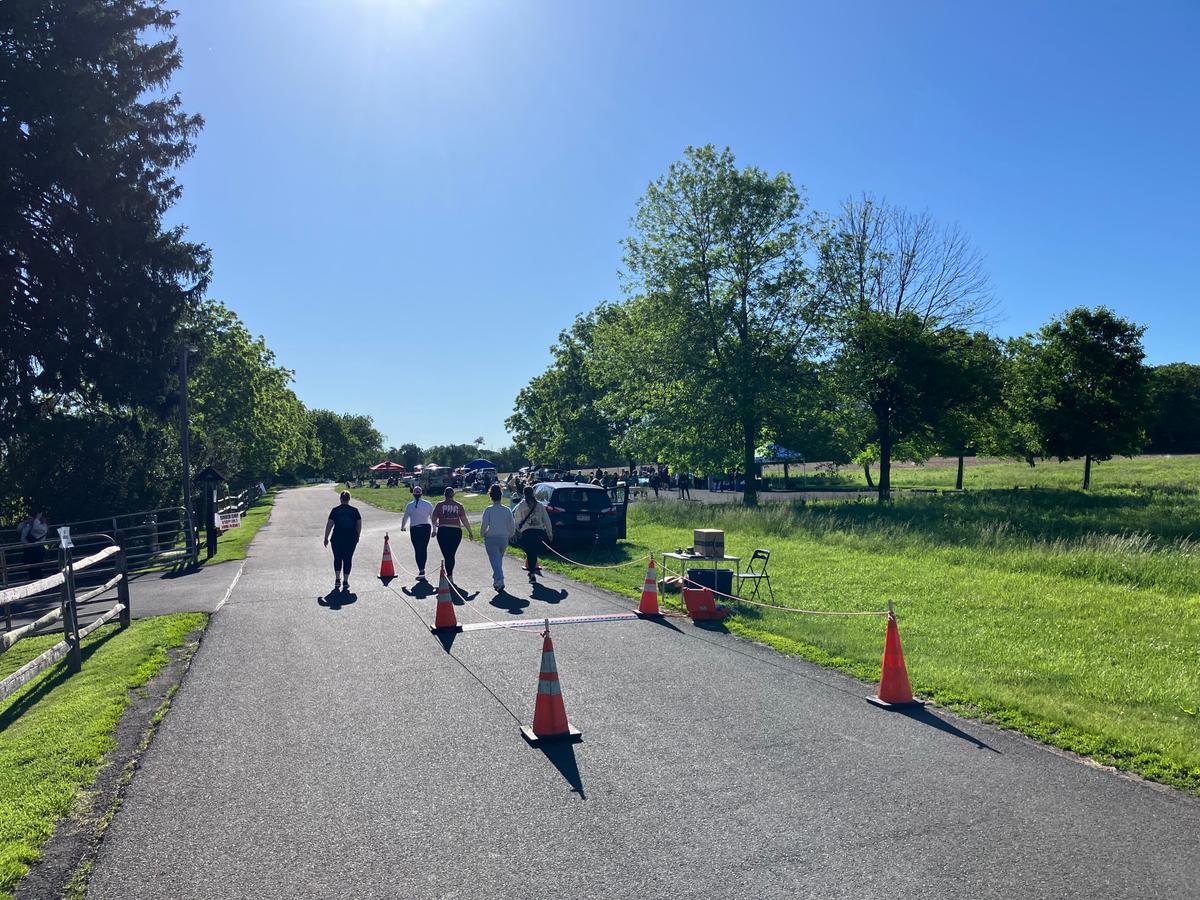
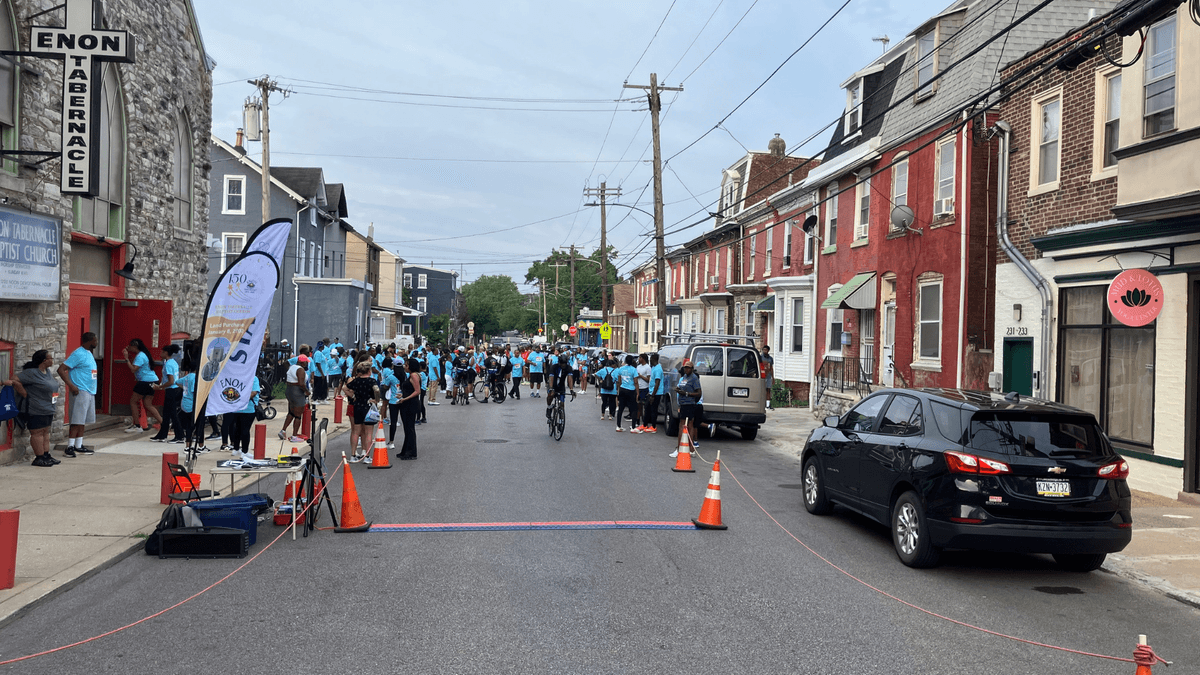
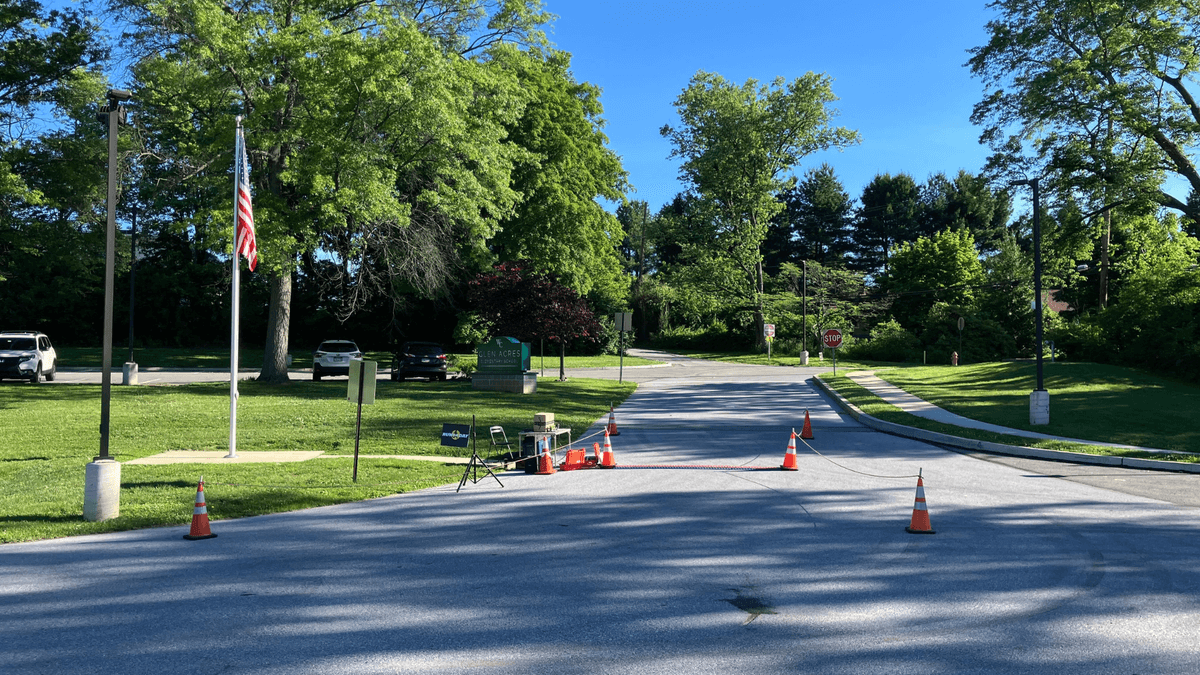
A DIY race timing system uses simple technology and volunteers instead of RFID timing equipment and a professional timing crew.
A typical setup might use smartphones or tablets at the finish line. Volunteers record each runner's bib number as they cross the finish.
How DIY Timing Works
The basic process is:
This approach can work well when the field is small enough for volunteers to keep up with finishers.
Run The Day's DIY race timing is designed for smaller events and uses a phone-based finish-line system rather than RFID timing mats and chips.
A basic DIY setup can include:
The main advantage is simplicity. You don't need RFID readers, timing mats, antennas, or other specialized chip timing equipment.
DIY timing depends on people accurately recording runners at the finish line.
If a large group crosses the finish simultaneously, volunteers have more bib numbers to capture and process. That can make the finish-line operation harder to manage.
For that reason, DIY timing is generally better suited to smaller, less crowded events.
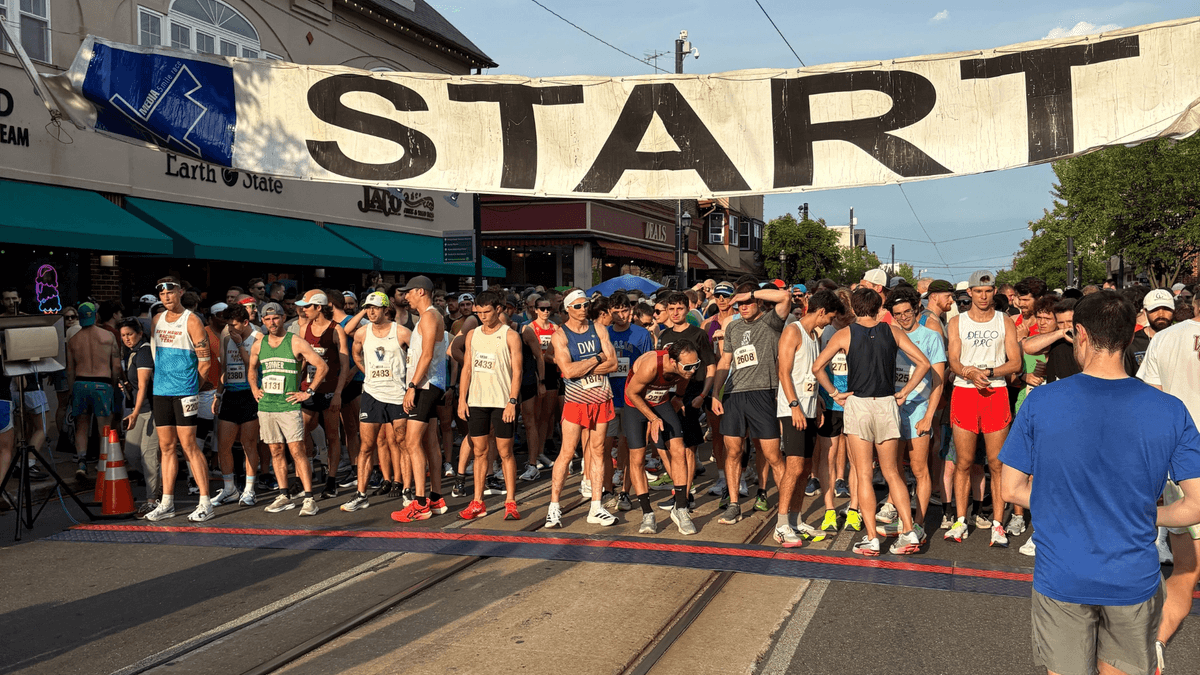
A professional chip timing system uses RFID technology to automatically identify runners as they cross timing points.
Each runner receives a race bib containing an RFID timing chip. Timing mats and antennas detect the chip as the runner crosses the start, finish, or other timing points.
The system records the timing read and connects it to the runner's registration information.
This means volunteers don't have to manually record every runner crossing the finish line.
A typical RFID race timing system works like this:
Additional timing points can be added when a race needs split times.
For a deeper look at the equipment involved, see what equipment is used to time a 5K.
A professional chip timing setup can include:
The exact equipment depends on the race size, course, timing points, and service requirements.
The biggest factors are race size, budget, finish-line density, volunteers, and the type of results you need.
DIY timing may be enough when the race has a small field, simple course, and a finish line that isn't heavily congested.
Either option may work.
Consider how many runners are likely to finish close together and whether you have enough volunteers to manage manual finish-line recording.
As the field grows, automated chip timing becomes more useful because the system can capture runners without relying on volunteers to manually record every bib.
If your event requires precise timing, official results, qualifying times, or detailed splits, discuss your requirements with a professional timing provider before choosing your setup.
Cost varies considerably depending on the timing method and race requirements.
DIY timing generally requires less equipment and staffing, while professional chip timing involves RFID equipment, timing staff, setup, and race-day support.
Other factors that can affect the cost include:
For a detailed breakdown, see how much it costs to time a 5K race.
Before choosing a timing method, answer these five questions.
A 50-runner fun run has very different timing requirements from a 1,000-runner road race.
If runners are likely to cross the finish in large groups, automated chip timing can reduce the amount of manual work required.
DIY timing generally has fewer equipment and staffing requirements. Professional chip timing costs more because of the specialized equipment and service involved.
DIY timing requires volunteers to manage the finish-line process. If volunteer availability is limited, professional timing may reduce the workload on your race team.
Consider whether you need:
Choosing between DIY and chip timing is only one part of preparing for race day.
Download our free 5K Race Timing Planning Checklist to compare timing methods, equipment, staffing, budget considerations, and race-day setup.
Whichever timing system you choose, planning and testing are important.
Decide on your timing method early enough to order equipment, assign bibs, prepare participant data, and train volunteers or coordinate with your timing provider.
Run through the timing process before runners arrive.
Check:
Technology can fail, and volunteers can make mistakes.
Keep appropriate backup equipment and procedures available so you have another way to verify results if something goes wrong.
Incorrect bib assignments or participant information can create result problems regardless of which timing system you use.
Using connected registration and timing tools can reduce unnecessary manual data transfers.
A 5K timing system records runners' start and finish times and uses that information to produce race results. Systems can range from manual or phone-based DIY timing to professional RFID chip timing.
A chip timing system uses RFID timing chips and readers to automatically detect runners as they cross timing points.
Depending on the system, race timing equipment can include race bibs, timing chips, timing mats, RFID readers, antennas, timing software, phones or computers, and backup systems.
The cost depends on the race size, timing points, equipment, staffing, and services required. Professional chip timing generally costs more than a DIY timing setup.
Yes. Small races can use a DIY timing system with phones or tablets, timing software, bib numbers, and trained volunteers.
Chip timing can be useful when a race has a larger field, crowded finishes, competitive participants, multiple timing points, or a need for automated timing data.
There isn't a single best timing system for every 5K.
A small school fun run may only need phones and a few trained volunteers. A larger community race may benefit from RFID chip timing and a professional timing team.
Start with your expected field size, budget, course, volunteer availability, and result requirements. Then choose the timing system that matches those needs.
Run The Day offers both DIY timing for smaller events and professional chip timing for races that need a more automated setup.
Whether you're managing a small community race or a growing 5K, Run The Day can help with registration, timing, results, and race-day support.