The Rundown Newsletter
View Results

Ian Campbell | October 8, 2026
“Where can I see my time? Did I win my age group?”
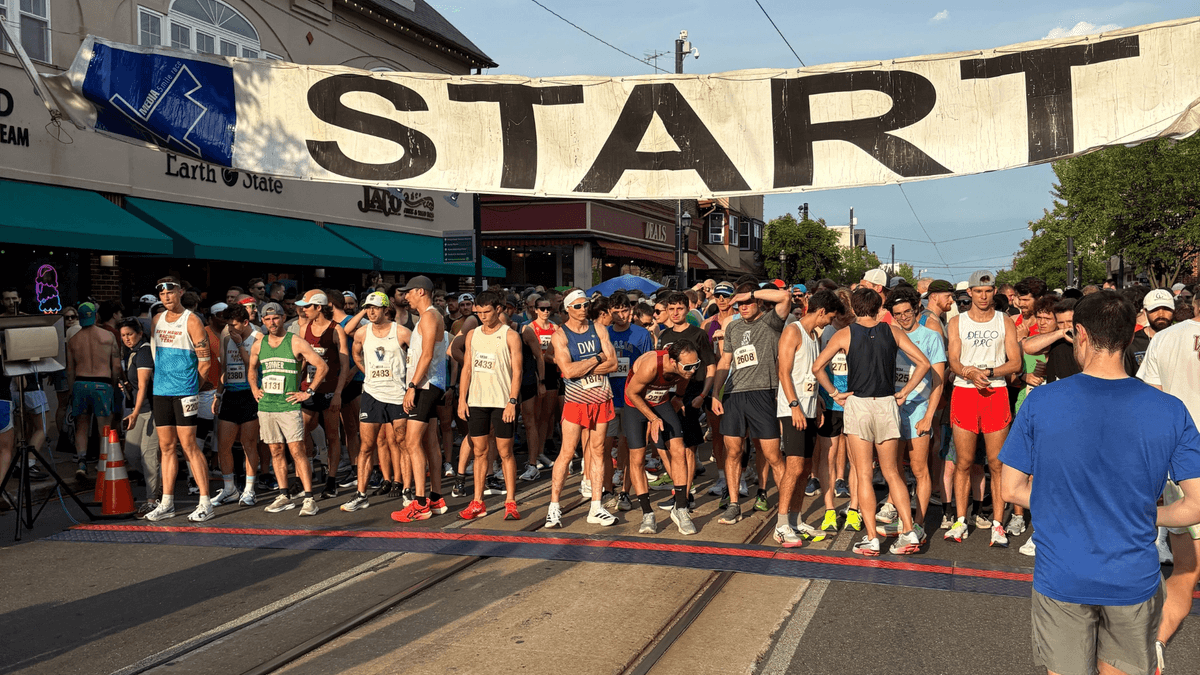
It’s race morning. Runners are crossing the finish line—and the first thing they want is accurate results.
Timing a 5K race might sound simple, but to make it run smoothly, planning usually begins 3–6 months in advance sometimes even a year or more.
In this guide, you’ll learn how to time a 5K race step-by-step when you know how to organize a 5k. Whether you're hosting your community's first fun run or managing your 100th half marathon, we’ll walk you through the key questions to ask and the decisions that matter most.
To time a 5K race:
To time a 5K, confirm your race logistics, choose DIY or chip timing, set up timing mats or checkpoints, prepare clean registration data, test all equipment, and provide fast, accurate results and awards.
Before going any further, ask yourself: “Does my event really need to be timed?”
Not every race does.
If your goal is to bring the community together, celebrate a cause, or get kids moving, chip timing may be unnecessary. Many school fun runs, PTO fundraisers, and small-town events do just fine with simpler setups—or even with no clock at all.
In fact, you might not need a 5K at all. A well-run charity walk can be more inclusive, easier to manage, and allow you to raise more money.
For casual events that don’t attract competitive runners, a basic finish line clock may be all you need. But if your participants expect accurate results, age group awards, or live tracking—keep reading.
➡️ Tired of complicated software? See how Run The Day makes registration and check-in easy. Schedule a demo to experience simple software built for 5K races.
If your event needs timing, make sure you’ve locked down these key details:
Pro tip: Write this down before you contact a timer. It saves time, avoids confusion, and helps you get an accurate quote.
Once your logistics are clear, it’s time to choose between two main approaches: Do-It-Yourself (DIY) or Professional Chip Timing.
DIY timing is a great fit for small races where runners finish one at a time and don’t require advanced race timing software or chip-based reads.
How it works:
Use a stopwatch, pull-tab bibs, or a mobile app to track finishers and upload results.
Pros:
Cons:
If you're planning a budget-friendly race, explore this cheap race timing system approach.
Best for races with 200+ runners or events that want on the ground support from a timer to appear more professional.
How it works:
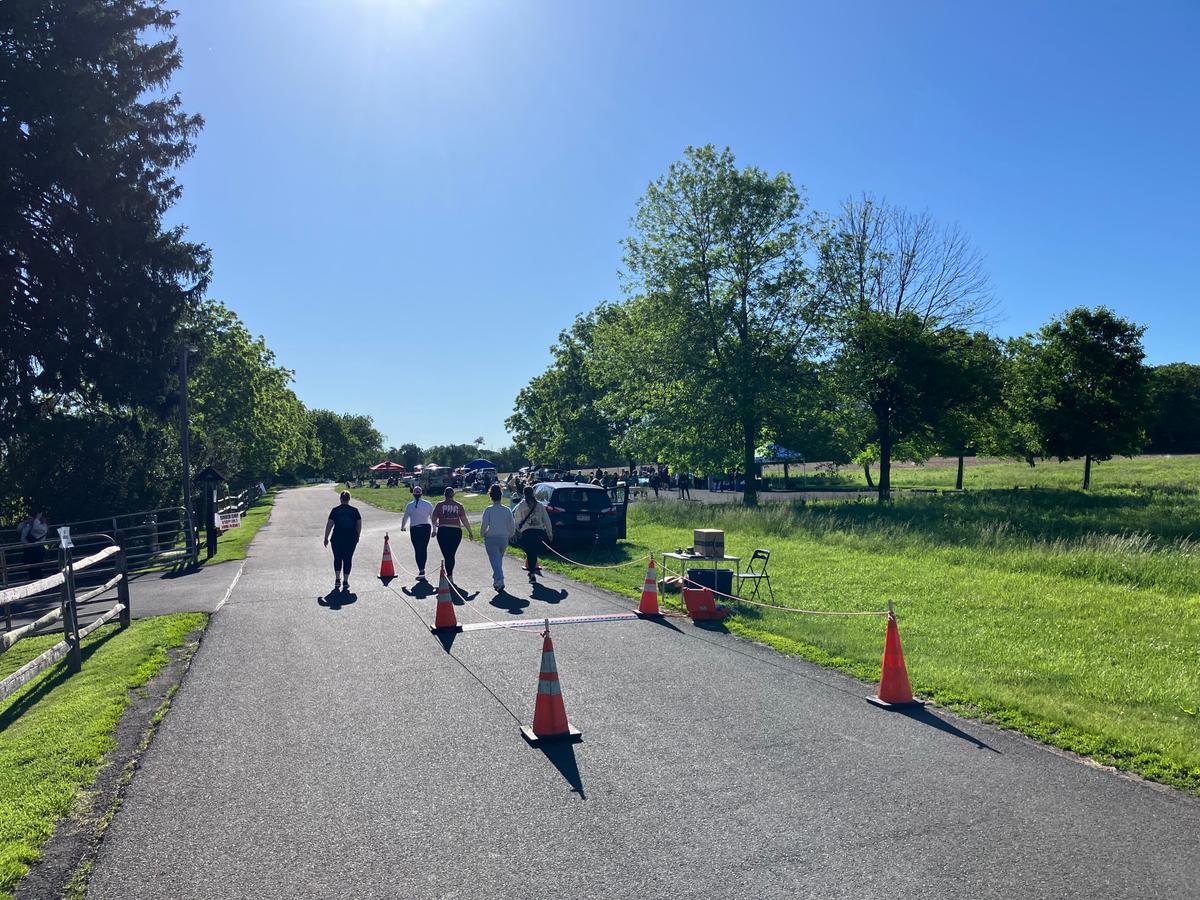
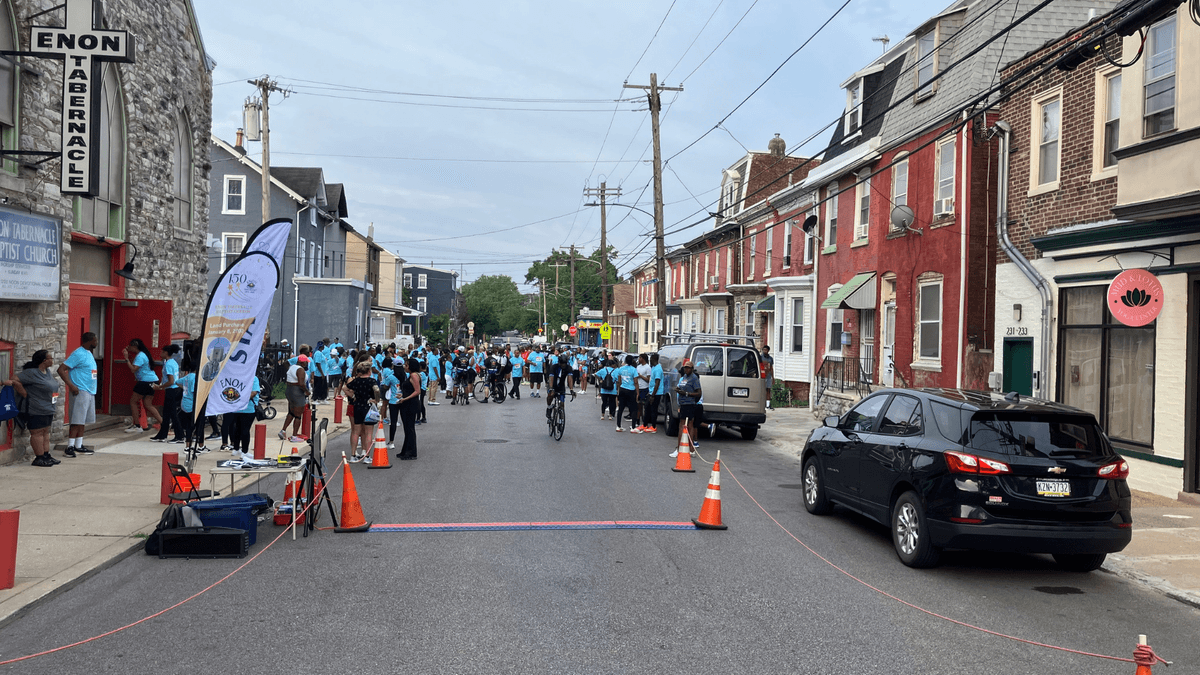
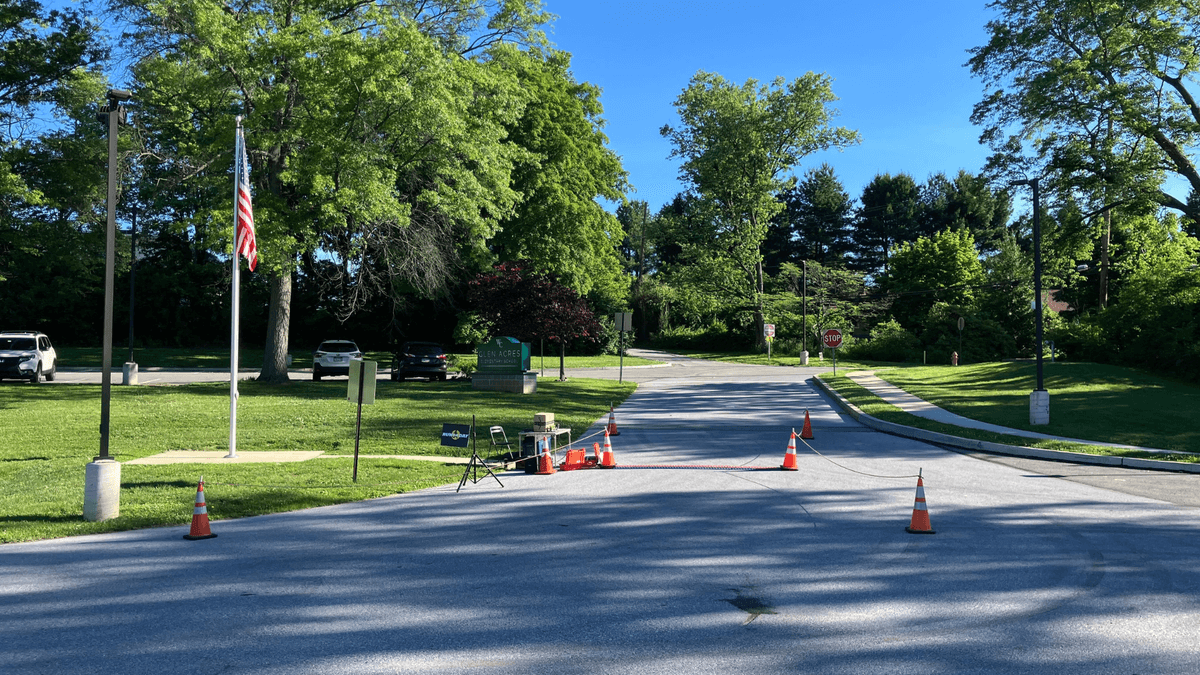
Each runner wears a bib with timing chip, and RFID mats automatically record start and finish times.
Pros:
Cons:
Most professional timers use RFID systems like ChronoTrack or RaceResults to deliver precise results.
Understanding chip time vs gun time is key to ensuring fair results for all runners.
Learn more about choosing the right race timing solutions based on event size.
Wondering about pricing? Here’s a breakdown of how much is a 5k run to time.
Search: “race timers in [your city]”
Also check:
A good timer is more than equipment—they’re your race-day partner.
A great timer removes stress and makes your event feel professional.
Standard Deliverables
Common Add-Ons
Even the best timing system fails if the data is messy.
Avoid:
Runners want results fast—and they expect them to be correct.
Most races include:
Modern timing systems offer:
Small oversights can create major race-day headaches:
Even the best tech can’t fix bad planning. Keep it simple and expect the unexpected.
Download our free Race Timing Planning Checklist to learn how to choose the right timing system, prepare race-day data, avoid common timing mistakes, and deliver accurate results.
Timing isn’t just about tech—it’s about trust.
Whether you're organizing a small fun run or a large 5K, your timing setup shapes how runners experience your event.
Plan early. Keep it simple. Choose tools that work on race day—not just in theory.
At Run The Day, we’ve timed thousands of races. Even if we’re not the right fit, we’ll help you find someone who is.