The Rundown Newsletter
View Results
Ian Campbell | June 10, 2026
A 5K equals 3.10686 miles. It’s one of the most popular race distances for beginners, charity runs, and community events.
Many runners think a 5K is “about 3 miles” — but that small difference can impact pacing and race results.
But if you're a runner or organizing a race understanding how 5K, 10K, and half marathon distances compare helps with pacing, planning, and race-day expectations.
For runners, knowing the exact distance helps with pacing and goal setting. For race organizers, it ensures clear communication and accurate results on race day.
A 5K is equal to 3.1 miles.
Here are the most common race distance conversions:
Most runners searching “how many miles is a 5K” are looking for a quick answer. But understanding how these distances compare helps with pacing, training, and race-day expectations.
| Distance | Kilometers | Miles |
| 5K | 5 km | 3.1 miles |
| 10K | 10 km | 6.2 miles |
| Half Marathon | 21.1 km | 13.1 miles |
| Marathon | 42.2 km | 26.2 miles |
These distances are standardized across races, which is why accurate measurement and timing are critical for fair results.
Each distance impacts:
From a race management perspective, each distance also changes pacing expectations, start-line flow, and timing accuracy requirements.
Take the guesswork out of race timing. Download your complete 5K timing guide using your email and learn how to run a smooth, accurate, and stress-free event from start to finish.
A 5K is 3.1 miles, which typically takes:
It’s one of the most popular race distances because it’s short, beginner-friendly, and widely used for charity and community events.
If you're planning an event, understanding distance expectations is key—use this alongside a proper 5K planning checklist to avoid confusion on race day
Many runners assume a 5K is “about 3 miles,” but that extra 0.1 mile can impact pacing, especially for beginners trying to hit a specific time goal.
Distance confusion is more common than you think—and it directly affects race results.
If runners aren’t clear on whether a course is measured in miles or kilometers:
For race directors, this is where precision matters.
Accurate course measurement combined with reliable timing systems ensures that results reflect what runners actually completed—not an estimate.
Even small distance errors can create major issues in race-day timing and post-race reporting.
This is especially important when using a 5K timing system to ensure results match what runners trained for.
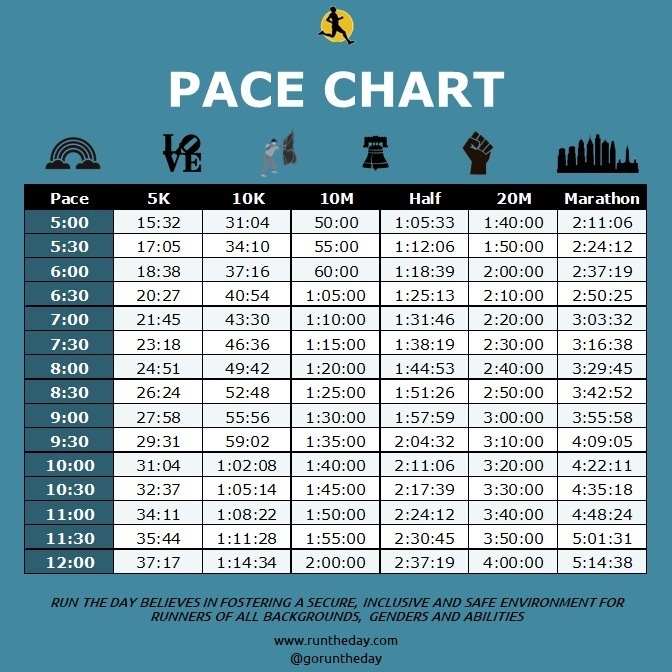
Based on real race timing data:
These are realistic benchmarks (not elite stats), useful for:
Explore our guide on whats a avreage 5k time for pacing benchmarks and performance insights.
Q1: Is a 5K shorter than a 10K?
Yes. A 5K is half the distance of a 10K and much more beginner-friendly.
Q2: Why do some races use miles and others kilometers?
Clear labeling avoids pacing mistakes.
Q3: Does distance accuracy affect race timing?
Yes. Even small measurement errors can:
That’s why combining accurate course measurement with proper timing systems is critical.
Understanding race distances isn’t just helpful—it’s essential.
When runners know the distance:
The good news? You don’t have to do the math alone.
Use our pace chart to set smarter goals.
Reference real finish times from Run The Day's 20+ years of timing experience.
Choose the right timing solution to match your event size and budget.
If you're planning a race, combining clear distance communication with proper timing tools makes all the difference.
Q1: How many miles is a 5K?
Ans: A 5K is equal to 3.1 miles. This is the standard distance used in races worldwide.
Q2: How long does it take to run a 5K?
Ans: Most runners finish a 5K in:
Q3: How many miles is a 10K and half marathon?
These distances are commonly used for longer road races.
Q4: Is a 5K good for beginners?
Ans: Yes. A 5K is one of the most beginner-friendly race distances. It’s short enough to train for quickly and widely used for community and charity events. You can also explore 5K time for beginner vs experienced runners to understand realistic pacing goals.
Q5: Why do races use kilometers instead of miles?
Ans: Most races use kilometers because it’s the global standard. However, in the U.S., some races and training plans still use miles.
Q6: Does distance accuracy matter in a 5K race?
Ans: Yes. Accurate distance measurement ensures fair results and proper pacing. Combined with a reliable 5K timing system, it guarantees trustworthy race results.
➡️ Planning a race and want everything to run smoothly?
Let’s make your next 5K stress-free. Book a quick call and see what works for real race directors.