The Rundown Newsletter
View Results
Ian Campbell | June 30, 2026
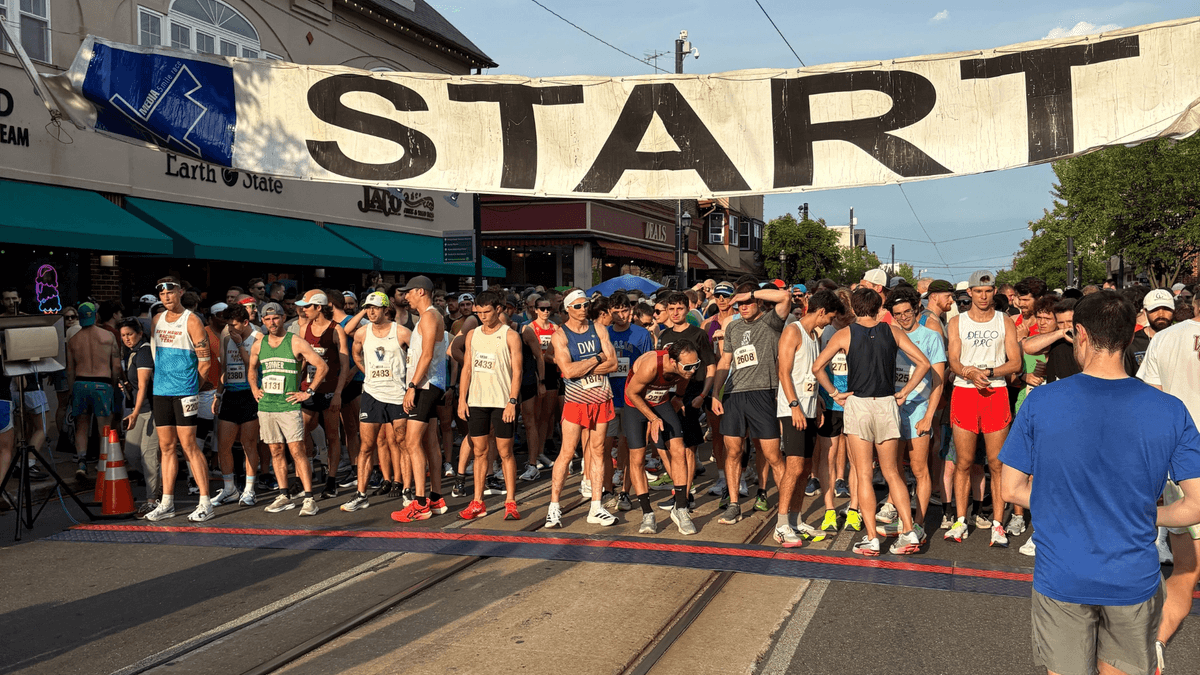
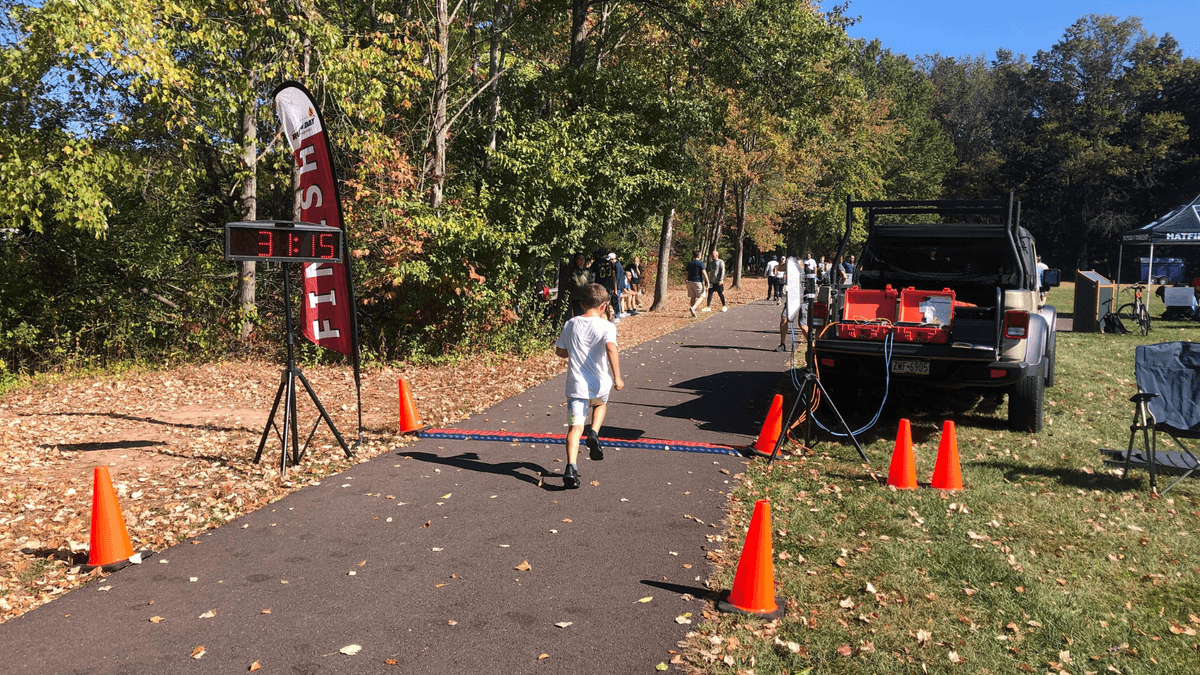
Most runners don’t think about what happens behind the scenes when they see their race result— but race timing is a mix of engineering, logistics, pressure, and human resilience. What feels simple at the finish line is actually the result of hardware built on RFID technology, software refined over decades, and timers who wake up at 3:00 AM.
Today’s systems didn’t appear overnight. They evolved from WWII enemy identification systems, handwritten scoring sheets, and thousands of weekends spent testing what actually works on computers.
If you want to see how we got here, explore the history of race timing.
This guide breaks down the hardware, software, and people who make accurate results possible for thousands of races every weekend.
Race timing is the process of accurately recording when runners cross the start, split, and finish lines using RFID hardware, timing software, and trained race timers. Modern race timing systems combine electronic equipment with professional oversight to produce reliable race results for 5Ks, marathons, and other running events.
Race timing is built on technology that was invented to identify enemy aircraft in WWII. That early radar-inspired system — now called RFID — is what powers most timing today.
Here’s how it evolved into timing tech:
RFID doesn’t look glamorous, but currently serves as the cost-efficient backbone of modern race timing.
Most timers rely on hardware from a handful of global companies:
All major race timing hardware companies rely on similar underlying RFID technology that sends raw chip reads to “middleware,” which then allows the data to be read by timing software to produce results.
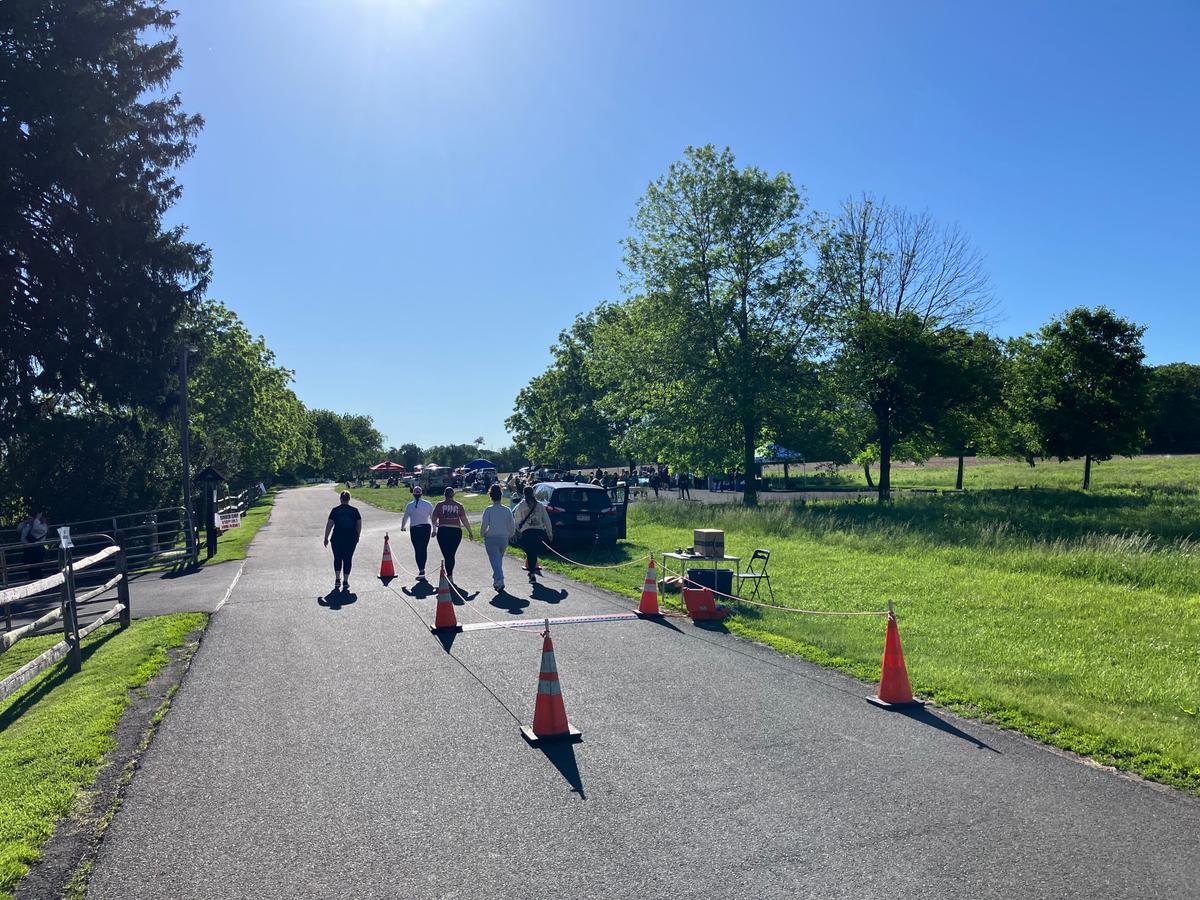
Regardless of brand, every chip timing setup includes:
This is the real engine behind chip timing for 5K events.
| Equipment | Purpose |
| RFID Timing Chips | Identify each runner |
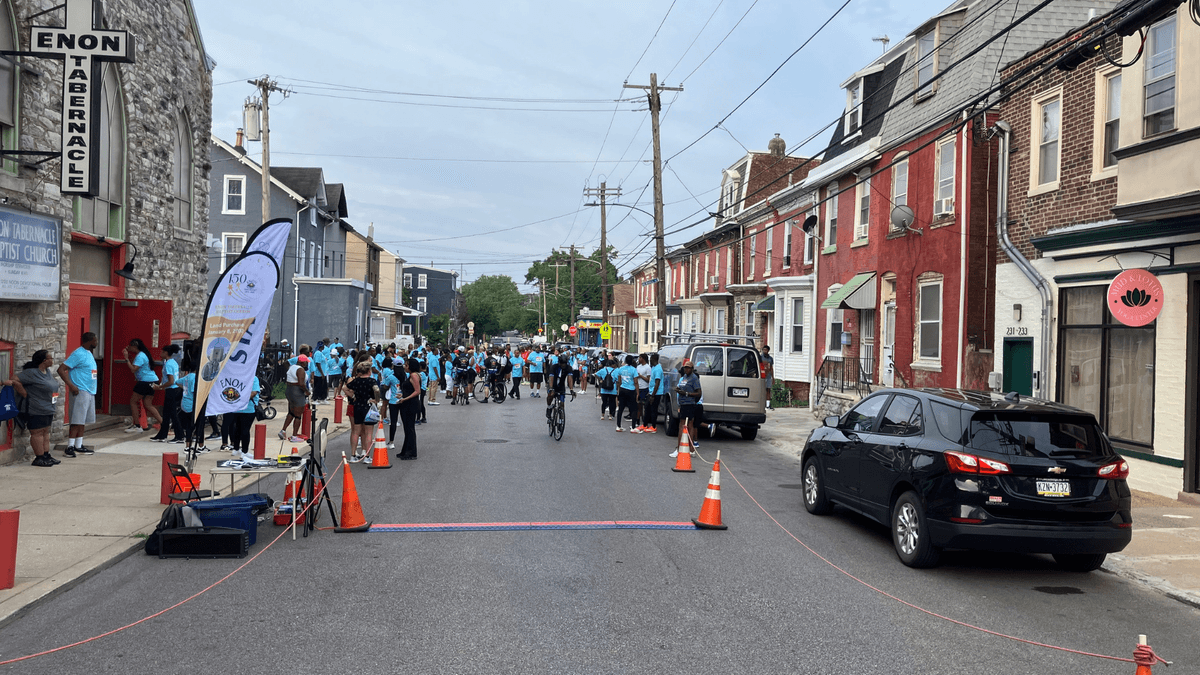
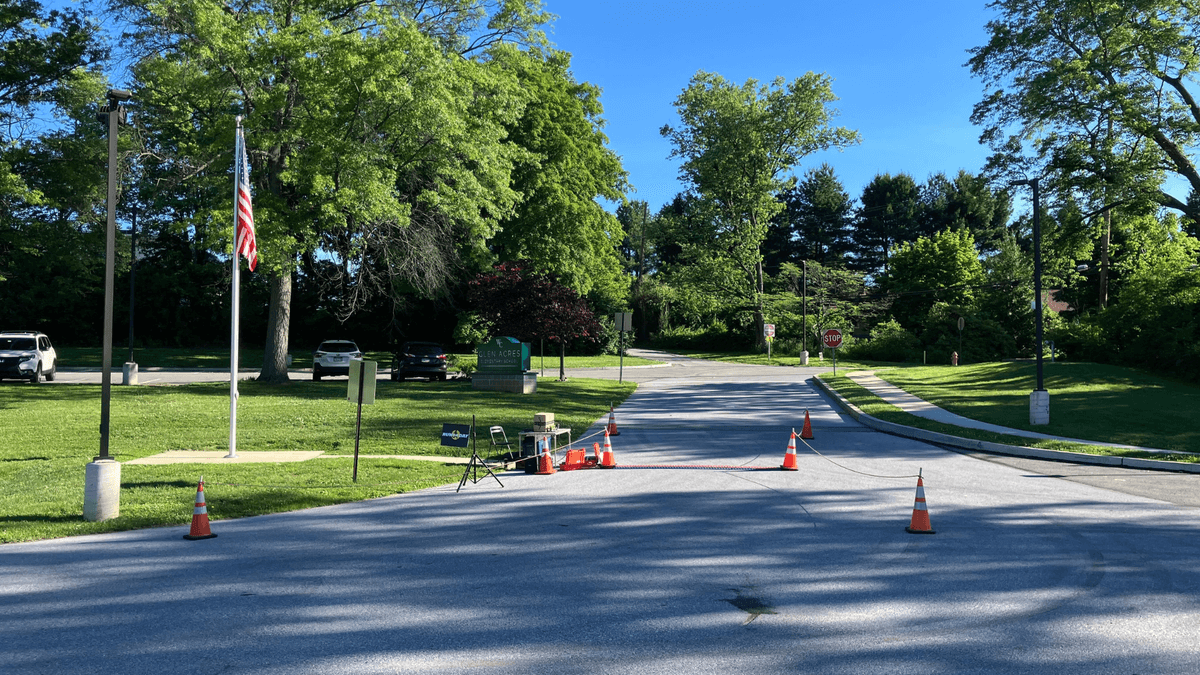
| Timing Mats / Antennas | Detect chip crossings |
| Decoder / Controller | Converts chip reads into timing data |
| Timing Software | Calculates results and rankings |
| Backup Camera | Verifies finish order |
| Generator / Battery Backup | Keeps equipment running during the race |
Race timing software started with one person: Alan Jones, a Ridley Park, PA native who changed the sport.
Before the internet, timers relied on pull tabs, raw coding and printers.
| Era | Timing Method |
| Before 1970 | Stopwatches and handwritten results |
| 1970s | Computer-assisted scoring |
| 1980s | RunScore software |
| 1990s | RFID chip timing introduced |
| Today | Integrated registration, timing, and live online results |
Today’s timing landscape includes:
Why many timers still prefer local software:
However, Starlink’s reliable connectivity almost anywhere is shifting more timers to cloud-based scoring options.
The workflow is simple:
RFID tag on bib → RFID equipment → Middleware → Timing software → Final results
This is the basic data flow behind modern race timing software — turning raw chip reads into live, accurate results runners can trust.
If you want software that handles that workflow without adding extra complexity for your volunteers, Run The Day keeps registration, check-in, and timing tightly connected.
Many new race directors assume timing hardware and timing software are the same thing, but they play different roles.
| Hardware | Software |
| Reads RFID chips | Processes timing data |
| Includes mats, antennas, decoders | Calculates finish times |
| Installed on race day | Generates live results |
| Collects raw timing data | Creates rankings, awards, and reports |
Both are essential. Hardware captures every runner's timing data, while software transforms that data into accurate race results.
The timer at your local 5K probably didn’t come from Silicon Valley.
Most start as:
They become experts one early morning at a time.
What timers won’t tell you — but every runner should know:
It’s a job with pressure when most are relaxed on a weekend morning.
What used to be small side businesses are are becoming established professional timing companies as:
The industry is evolving — quickly.
Here’s what’s really happening while runners are pinning bibs:
If you’d like to see how this race-day workflow fits into a complete 5K timing system, we’ve put together resources that walk through setup, tools, and best practices.
Not sure what equipment you need for race day?
Download our free Race Timing Equipment Checklist to see the essential hardware, software, backup systems, and staffing required for a successful 5K.
Accurate timing isn’t just a technical exercise — it shapes the runner experience:
Platforms like Run The Day exist to make race timing easier for races — tying registration, bib assignments, results, and timing into one system so race directors can focus on everything else required to make race day a success (volunteers, sponsors and runners) instead of managing chaotic spreadsheets.
Explore how your event can benefit from our race timing solutions.
RFID tags on bibs send signals as runners cross mats. These signals move through middleware into timing software that assembles race results.
They’re essentially the same — chip timing uses RFID tags designed specifically for races.
Mats act as antennas that detect chip reads at the start, finish, and any split points.
Recording the finish line with a backup camera, manual human spotters and backup timing equipment along with pre-race testing.
Tools like RunScore, Webscorer, Run The Day, Race Director, RaceDay Scoring, and in-house systems connected to registration platforms.
Yes — manual timing works for races under ~150 runners.
Extra timing equipment, video recording, pen and paper.
Professional race timing typically requires RFID timing chips, antennas or timing mats, decoder boxes, timing software, backup power, and video verification systems. Together, these components ensure accurate race results even at large events.
Accurate race timing is the result of reliable RFID hardware, purpose-built timing software, and experienced race timers working together. Whether you're organizing a local charity 5K or a large community race, investing in dependable timing systems helps deliver accurate results, smoother race-day operations, and a better experience for every participant.
At Run The Day, we’ve spent decades helping community races, schools, and charities get accurate results without overcomplicating race day. If you’re refining your process, our guide on how to time a 5K walks through the key steps to set up a simple, reliable timing workflow.
If you'd prefer a team that handles timing for you so your volunteers don’t have to, Run The Day can support your event end to end.