The Rundown Newsletter
View Results
Ian Campbell | September 14, 2026
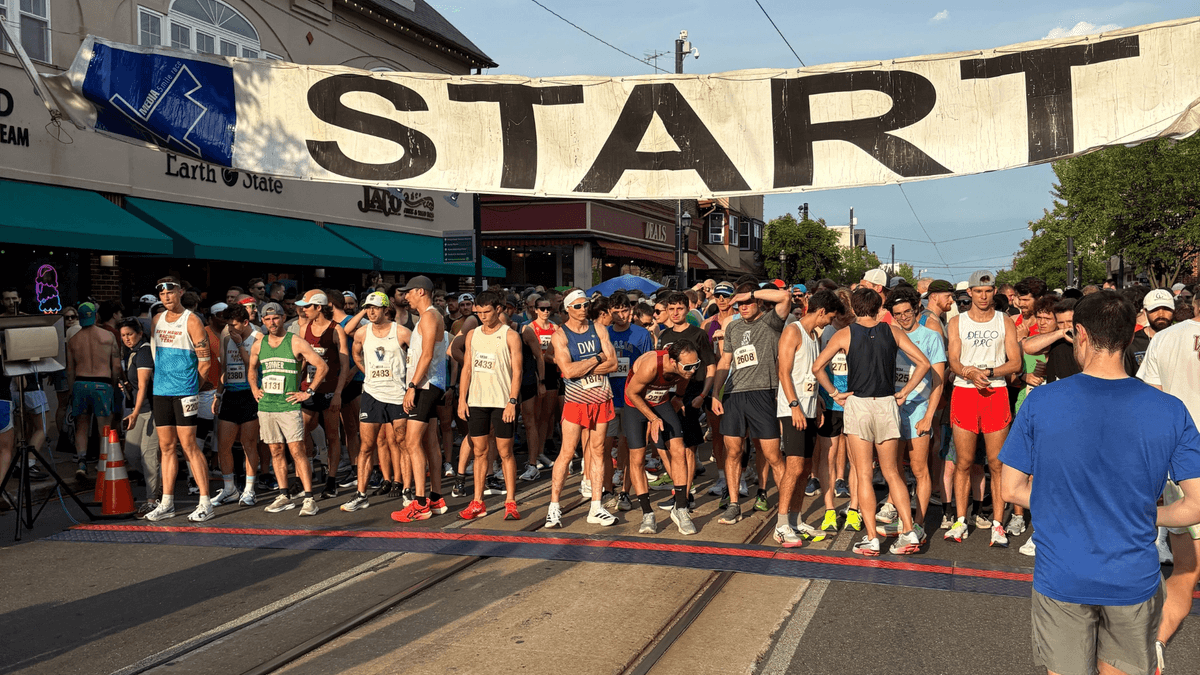
Charity 5Ks are one of the most effective ways to raise money, build community, and support a meaningful cause.
But successful charity races don't happen by accident.
From choosing a cause and setting fundraising goals to managing registration and race-day logistics, organizing a race involves many moving pieces.
The good news?
You don't need years of race-directing experience to organize a successful event.
This guide walks through the key steps involved in planning a charity 5K so you can create an event that raises money, attracts participants, and delivers a great experience.
Whether you're planning your first fundraiser or looking to grow an existing event, understanding the different types of 5K races can help you choose the format that best fits your goals and audience.
To plan a charity 5K, start by choosing a cause and fundraising goal, selecting your race format, setting a budget, securing sponsors, opening registration, promoting the event, recruiting volunteers, and preparing for race day.
Starting early and keeping registration, fundraising, communication, and race-day operations organized can make the process much easier.
| Step | Why It Matters |
|---|---|
| Choose a cause | Creates purpose and focus |
| Set fundraising goals | Defines success |
| Select date and location | Impacts participation |
| Secure sponsors | Helps fund expenses |
| Open registration | Enables signups |
| Promote the event | Drives participation |
| Recruit volunteers | Supports operations |
| Prepare race-day logistics | Improves the experience |
| Follow up after the race | Builds future engagement |
Charity races offer benefits beyond fundraising.
They help organizations:
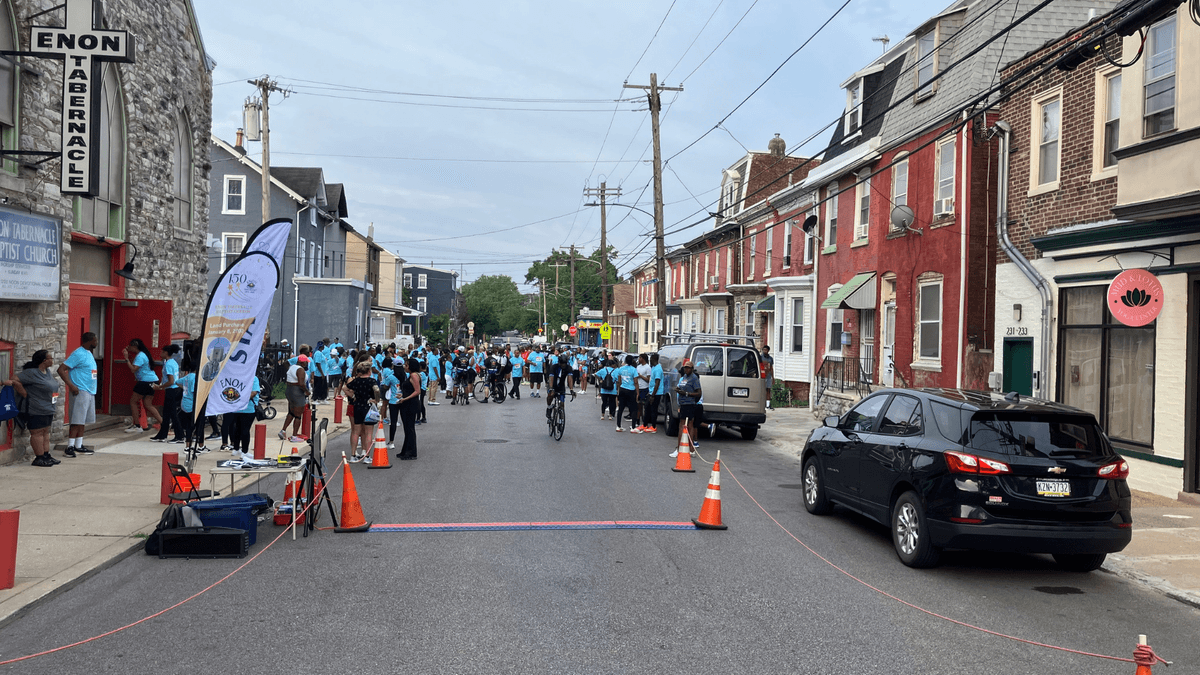
Unlike traditional fundraisers, charity 5Ks bring people together around a shared cause while promoting health and community participation.
Many organizers compare a charity 5K vs fun run when selecting an event format. While both can be effective fundraisers, a charity 5K can offer a structured race experience while still welcoming runners, walkers, families, and supporters.
Before planning logistics, determine:
Examples include:
Clear goals make promotion and sponsorship outreach much easier.
For example, raising $5,000 for new school equipment requires a different strategy than raising $50,000 for a nonprofit organization. Defining your objectives early helps guide every decision that follows.
Not every charity race looks the same.
Popular options include:
A timed 5K appeals to competitive runners who want official results and personal records. This format can work well for annual fundraising events looking to build a loyal participant base.
Family-friendly events focus on participation rather than competition. They are especially popular for schools, PTAs, PTOs, and community organizations.
A memorial race honors a loved one, community leader, or cause. The format can create a meaningful event that brings people together around a shared purpose.
Creative themes can make a charity event more memorable.
Color runs, glow runs, holiday runs, and superhero races can attract families and first-time participants who may not normally register for a traditional race.
If you're looking for inspiration, explore these charity run theme ideas.
Many first-time organizers underestimate costs.
Typical expenses include:
Creating a budget early helps avoid surprises later.
It's also important to distinguish between expenses and fundraising goals. A race that generates $50,000 in revenue but costs $45,000 to operate raises less money than an event that generates $35,000 and costs only $5,000.
Understanding your expected costs allows you to price registrations appropriately and identify sponsorship opportunities.
If timing is a major part of your budget, our guide to how much it costs to time a 5K can help you understand the factors that affect timing costs.
Sponsors can significantly reduce costs and increase fundraising totals.
Potential sponsors include:
Sponsor benefits may include:
Strong sponsorships provide more than financial support. Sponsors can help promote the event, donate prizes, recruit volunteers, and expand your reach within the community.
Using proven strategies to secure sponsors can help you build valuable long-term partnerships.
Download our free Race Planning Checklist and get a step-by-step guide covering fundraising, sponsors, registration, volunteers, timing, and race-day operations.
Registration is often the first experience participants have with your event.
Your registration process should be:
Avoid:
Many potential participants register from their phones. If registration feels complicated, some may abandon the process.
Choose a race registration platform that makes it easy to collect participant information, payments, waivers, and other details your team needs before race day.
Even great causes need promotion.
Successful races typically use:
Start promotion months before race day.
Consistent communication helps drive registrations and keeps the cause in front of potential participants.
A common mistake is waiting until a few weeks before race day to begin marketing. Develop a promotion schedule early and consistently remind potential participants about registration deadlines, fundraising goals, and event updates.
For more ideas, see our guide to how to promote a 5K.
Volunteers help support:
The most successful races assign clear roles and provide instructions ahead of time.
Volunteers should know where they need to be, what their responsibilities are, and who to contact if they need help.
Remember that volunteers are often some of your strongest advocates. They may become participants, donors, sponsors, or future committee members.
Race-day planning should cover:
Many race-day issues can be avoided with proper preparation.
Using a 5K race planning checklist helps ensure important details are not overlooked.
The more organized your preparation is before race day, the fewer problems you'll need to solve during the event itself.
Participants are more likely to return if the experience feels professional.
Focus on:
Great race experiences can create repeat participants and stronger long-term support for your cause.
The event doesn't end when participants cross the finish line. Thank-you emails, race photos, prompt results, and updates about the money raised can help keep participants connected to your organization.
Avoid:
Most charity race problems are preventable with proper planning.
Starting early gives your team more time to secure sponsors, recruit volunteers, promote the event, and address unexpected issues before race day.
Modern race management platforms can help organizers:
An easy-to-use platform can reduce manual work and help keep important race information organized.
Instead of juggling multiple systems, organizers can look for a platform that connects registration, fundraising, communication, and race-day operations.
Run The Day helps nonprofits and community organizations manage:
As an easy-to-use, one-stop-shop platform, Run The Day helps organizers spend less time managing logistics and more time supporting their cause.
Whether you're organizing a school fundraiser, nonprofit event, memorial race, or community 5K, Run The Day provides registration, timing, and race-day support to help create a smooth participant experience.
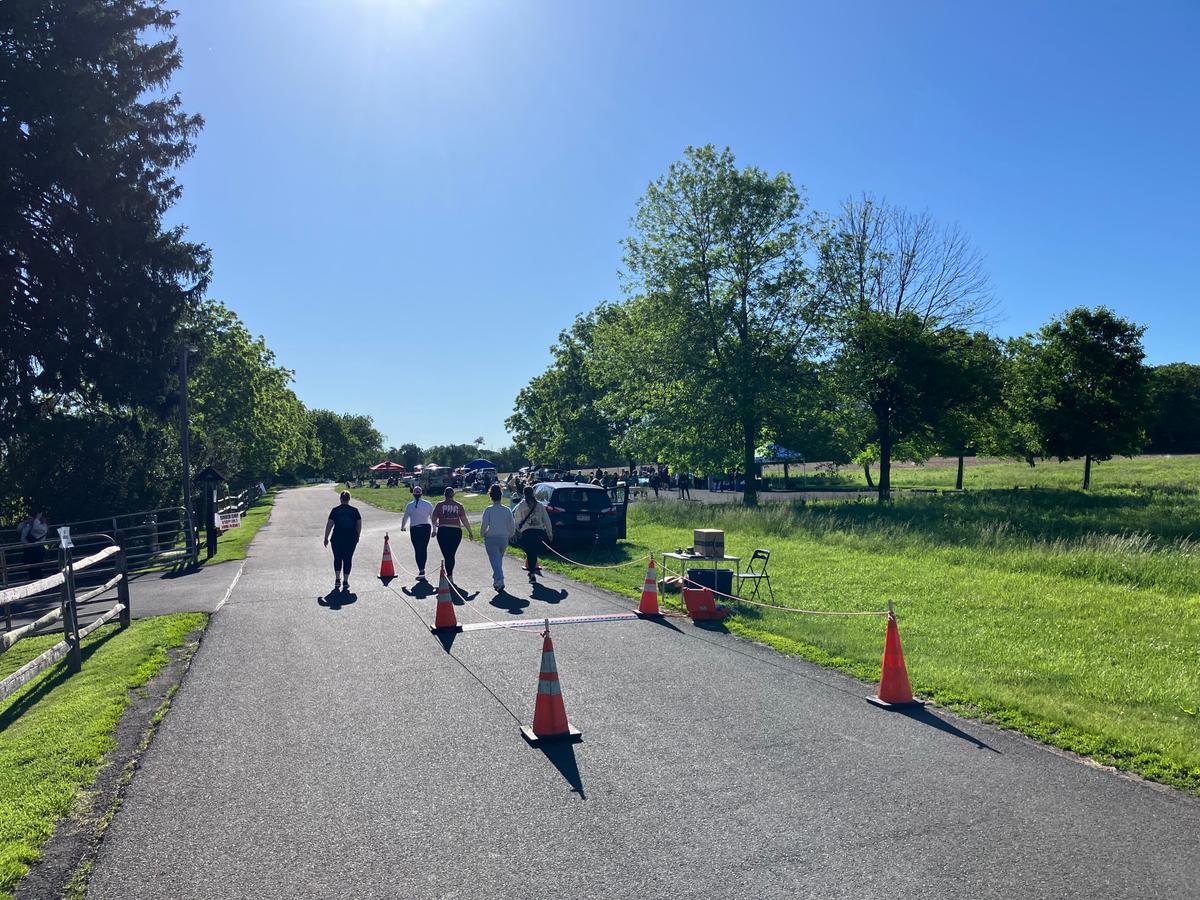
Most charity 5Ks require several months of planning, depending on the size, location, permits, fundraising goals, and complexity of the event.
There is no single number. Fundraising can come from registrations, sponsorships, individual donations, team fundraising, and other campaigns. The amount depends on participation, fundraising strategy, sponsorship support, and event costs.
Not necessarily, but sponsors can help offset expenses and increase the amount of money available for your cause.
A combination of email marketing, social media, local partnerships, sponsor promotion, and community outreach can help reach potential participants.
Look for easy-to-use race registration software that supports participant management, payments, communication, fundraising, and race-day operations.
Organizing a charity 5K may seem overwhelming at first, but breaking the process into manageable steps makes it much easier.
Focus on:
With the right planning and support, a charity 5K can become a successful fundraiser and a community event people look forward to every year.
Run The Day helps nonprofits, schools, and community organizations manage registration, fundraising, timing, and race-day operations through an easy-to-use, one-stop-shop platform designed to make race management simpler.
Tell Us About Your Race and see how Run The Day can help with your next charity 5K.