The Rundown Newsletter
View Results
Ian Campbell | September 16, 2026
Organizing a 5K takes more than planning the course and opening registration. You also need to cover permits, timing, shirts, medals, marketing, volunteers, and other race-day expenses.
Race sponsorship can help offset those costs while giving local businesses an opportunity to connect with runners and the surrounding community.
The key is to make the sponsorship valuable and easy to understand.
In this guide, you'll learn how to find potential sponsors, create 5K sponsorship packages, set sponsor levels and benefits, and approach businesses with a clear proposal.
To secure sponsors for a 5K:
Before approaching sponsors, it helps to understand what you're offering and what your race needs. A 5K race planning checklist can help you organize your budget, registration, volunteers, sponsors, and race-day operations.
Before you start sending sponsorship requests, think about what a business gets in return.
Most sponsorship conversations come down to three areas:
Who participates in your race?
A local business may be interested in reaching families in its area, while a larger company may be more interested in broader event visibility.
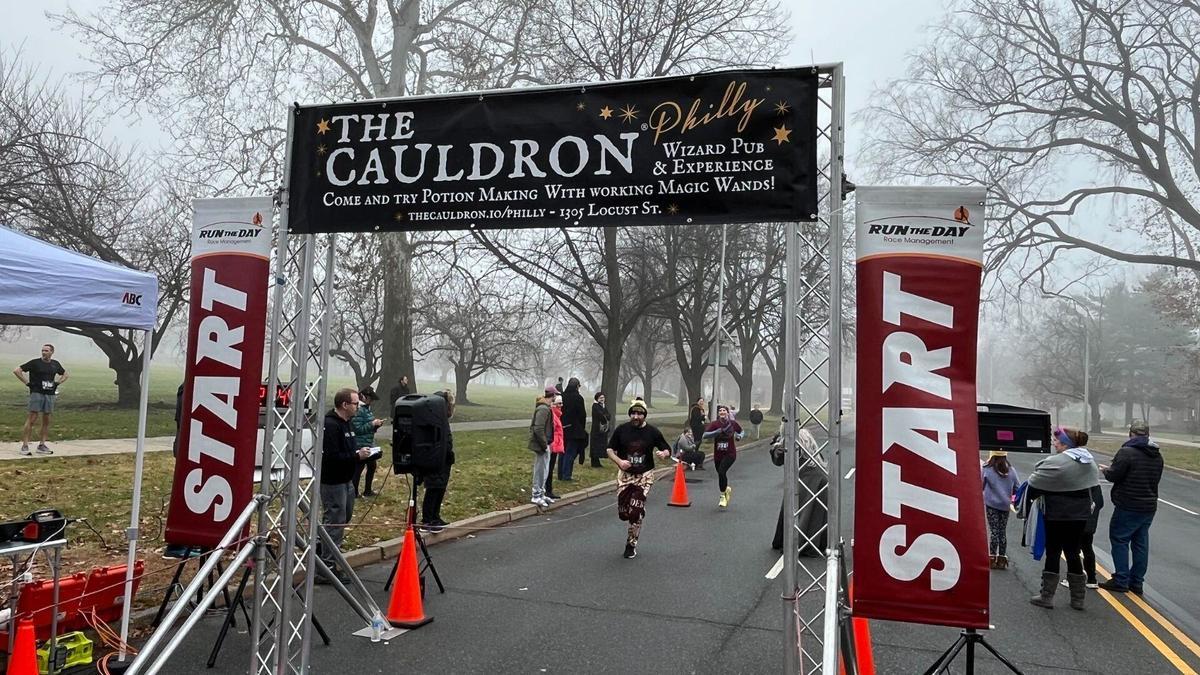
Where will the sponsor's name or logo appear?
Potential opportunities include:
Many businesses want to support events that have a meaningful connection to the community.
If your 5K supports a nonprofit, school, health initiative, or local cause, explain that clearly in your sponsorship proposal.
The goal is to show potential sponsors who they will reach, where they will be visible, and what their sponsorship supports.
Sponsors are often more willing to support races tied to a strong mission, especially when the event clearly shows community impact like the Race to Reimagine Cancer Care 5K.
You don't need to approach only large companies. Start with businesses that have a natural connection to your race and its participants.
Potential examples include:
Local businesses can be especially relevant for community races:
Not every sponsor needs to provide cash.
An in-kind sponsor may provide goods or services instead, such as:
These partnerships can reduce some of your race expenses while giving the business visibility at the event.
Sponsorship is only one part of putting on a successful event. You also need a plan for registration, volunteers, timing, and race-day logistics. If you're working through those details, our guide on how to manage a 5K race can help you build out the rest of your event plan.
A common mistake is starting with:
“We need $1,000 for our race.”
Instead, explain what the business receives for its sponsorship.
Before contacting a potential sponsor, be ready to answer:
If you have data from previous races, include it.
For example:
A simple sponsorship proposal or pitch deck can include:
Keep the proposal easy to scan. A business owner should be able to understand the opportunity without reading a long document.
Clear 5K sponsorship packages make it easier for businesses to understand their options.
Instead of creating a different proposal from scratch for every business, establish a few sponsorship levels and customize them when needed.
| Sponsor Level | Potential Benefits |
|---|---|
| Presenting Sponsor | Top logo placement, premium signage, website feature, race-day mentions, race entries |
| Gold Sponsor | Shirt logo, booth space, social and email mentions, packet insert |
| Silver Sponsor | Race-day signage, website listing, social media thank-you |
| Community Sponsor | Name recognition, website listing, local event visibility |
Your actual pricing and benefits should match the size, audience, and promotional reach of your race.
Potential benefits include:
You can also offer custom sponsorship opportunities.
For example, a business may prefer to sponsor the water station rather than purchase a standard package. Flexibility can make it easier to create a partnership that works for both sides.
For many community 5Ks, local businesses are a natural place to start.
Look for companies that already serve the people who attend your race.
Potential prospects include:
When reaching out, don't send the exact same message to every business.
Explain why you think the partnership makes sense for that specific business.
For example, a local fitness studio may be interested in reaching runners and active families. A restaurant may be more interested in race-day foot traffic and local visibility.
Personalized outreach can make your sponsorship request more relevant than a generic mass email.
Sponsorship shouldn't be a last-minute race task.
Start outreach several months before race day so businesses have time to review your proposal, make a decision, and plan the sponsorship within their marketing budget.
A simple outreach process could look like:
Don't stop the relationship once the sponsorship is confirmed.
After the race, send sponsors:
That gives you useful information for future sponsorship conversations and helps you document the value delivered.
Race sponsorship doesn't have to end with a logo on a race shirt.
Use your digital channels to give sponsors additional exposure.
Create a sponsor section on your race website with sponsor names, logos, and links where appropriate.
Mention sponsors in race announcements, newsletters, and post-race communications when it fits the communication.
Consider:
If your race timing or results platform supports sponsor visibility, you may also be able to feature sponsor branding alongside online race information and results.
The more clearly you define these opportunities in your sponsorship packages, the easier it is to explain their value to potential partners.
Before reaching out to sponsors, make sure the rest of your race plan is organized.
Download our free 5K Race Planning Checklist to map out your budget, registration, sponsors, volunteers, timing, race-day logistics, and other key planning tasks.
Once you have your packages ready, your first message doesn't need to be complicated.
A simple sponsorship email can include:
Subject: Sponsorship Opportunity – [Race Name]
Hi [Name],
We're organizing the [Race Name] on [Date] to support [Cause/Organization].
We're expecting approximately [X] participants from [Community/Area] and are currently working with local businesses interested in supporting the event.
We'd love to explore whether [Business Name] would be a good fit as a race sponsor.
I've attached our sponsorship opportunities, including options for [briefly mention relevant benefits].
Would you be open to a quick conversation?
Thanks,
[Name]
Keep the first message short. The goal is to start a conversation, not put every detail into the email.
Identify businesses that match your race audience and cause, then present clear sponsorship opportunities with specific benefits such as logo placement, digital promotion, race-day visibility, and community exposure.
A 5K sponsorship package can include branding on shirts and bibs, website and social media promotion, race-day signage, booth space, race entries, and other promotional opportunities.
Common structures include Presenting, Gold, Silver, and Community sponsorship levels. Each level can offer different combinations of branding, promotion, and race-day benefits.
Start with businesses that already serve your race audience. Show them who attends the event, what visibility they can receive, and how their sponsorship supports the race or its cause.
Starting several months before race day gives businesses time to review your proposal, make budget decisions, and plan how they will participate.
Sponsors may look for a combination of audience fit, brand visibility, and connection to the community or cause. Your proposal should clearly explain how your event provides those opportunities.
Securing race sponsorship is about more than asking businesses for money. You need to show potential sponsors what they receive in return and why the partnership makes sense for their business.
Start with relevant local businesses, create clear 5K sponsorship packages, define your sponsor levels and benefits, and begin outreach well before race day.
Once sponsors are on board, deliver what you promised and follow up with results, photos, and a thank-you. A well-organized sponsorship process can make it easier to build relationships that continue into future races.
Need Help Managing Your Race?
Managing registration, timing, participant communication, and race-day operations can involve a lot of moving parts. A race management platform can bring these tasks together so race organizers have fewer systems to manage.
Run The Day helps race organizers manage registration, timing, race-day operations, and participant communication from one platform.