Maybe it is a fellow parent at the PTO meeting. Maybe it’s a friend asking for help. Maybe you just landed a new client as an event planner (congrats!). Or maybe it’s your boss telling you that organizing the 5K is now on your plate.
Regardless, being asked to manage a 5K can feel overwhelming. It’s like running a small business and planning a wedding—at the same time. You’re juggling logistics, money, emotions, volunteers, marketing, safety, and the expectations of hundreds (or even thousands) of runners, sponsors, and community members.
Get it right and you’ll raise money for a great cause, unite a community, and give people memories they’ll talk about for years.
We’ve helped thousands of race directors navigate the chaos. This guide walks you through how to manage a 5K—from big picture strategy down to cones and water cups.
What Is the Goal of Your 5K?
Prioritizing goals from the start can help guide your decisions—from pricing and promotion to course design and post-race activities. Understanding the different reasons to host a 5K can help you define goals and measure success.
Here are the 5most common goals of a 5K:
- Raise money for a great cause: Many races become annual fundraisers that bring in five, six or even seven figures of money every year.
- Bring people together: 5Ks create shared memories, connect communities and offer something fun for all ages.
- Keep people active and healthy: A 5K gives people a reason to train, move and stay motivated to workout.
- Honor the memory of a loved one: Memorial runs are powerful events filled with emotion, celebration and meaning.
- Generate profit (like a business): With smart planning, 5Ks can become profitable ventures—especially themed runs, holiday races, or large-scale events.
Understanding the different reasons to host a 5K can help you define goals and measure success.
Where Will Your 5K Be?
Choosing a location is one of the first biggest decisions that you’ll make. Start planning for your race by locking in a venue and a course.
How to find a location for your 5K:
- Look up nearby races to see what courses they use
- Identify a good start/finish area—ideally central to your community with good potential for a party
- Contact your local township, city or parks & recreation department
- Visit local running stores—they often know the best (and most realistic) routes
Key considerations when determining your venue and course:
- Festive finish: Will the finish line area be able to create a fun atmosphere with music, food and cheering?
- Bathrooms: Are public bathrooms available? If not, is there space for porta-potties?
- Parking: Is there enough parking nearby for runners, volunteers and spectators?
- Road closures: How many roads need to be shut down? Paying police can get expensive.
- Permitting: Is the space public or private? What is the permitting process, cost and lead time?
- Runner flow: Is the course wide enough to accommodate your expected number of participants?
How Much Will Your 5K Cost?
Hosting a 5K isn’t free—and without a solid budget, you risk losing money. Build a race budget early to understand your expenses.
Typical Race Costs:
- Permits and insurance: $200–$1,000+
- Timing services: $499–$5,000+
- T-shirts: $6–$12 per shirt
- Medals: $2–$5 each
- Promotion: $100–$1,000+
- Cones, signage, banners: $200+
- Photography and video: $250–$1,000+
- Water and snacks: $100–$500+
- Port-a-potties, police, EMS: varies widely
How Far in Advance Should You Plan a 5K?
Most successful races begin planning at least 3–6 months before race day. Larger races may require 6–12 months of preparation.
General timeline:
- 6–12 months: Secure venue, permits, and major sponsors
- 3–6 months: Launch registration and marketing
- 1–3 months: Recruit volunteers and finalize vendors
- Final month: Confirm logistics, packet pickup, and race-day operations
Starting early gives you more time to secure sponsors, build registrations, and avoid last-minute stress.
Lay Out a Timeline with a 5K Planning Checklist
A successful 5K doesn’t come together overnight. Use a checklist to keep your team organized.
Key Steps in Your Race Planning Timeline:
- Set the date, location, and race distances (5K, fun run, walk, etc.)
- Apply for permits and secure insurance
- Design the course and have it measured (consider USATF certification)
- Customize your race page and open online registration (choose a proven registration platform)
- Create a marketing plan (social media, email, flyers, etc.)
- Recruit volunteers for race day
- Order shirts, medals, and giveaways
- Secure sponsors and hire vendors (timing, DJ, food, etc.)
- Plan for water stations, packet pickup, and signage
- Coordinate race timing and results
- Set age group categories and order awards
- Coordinate a clean-up crew and send thank-you messages post-race
Free 5K Race Planning Checklist
Planning a race? Download our complete 5K Race Planning Checklist to stay organized, manage vendors, volunteers, sponsors, timing, and race-day logistics.
A 5K Run for Charity: Set a Fundraising Strategy
For your 5K to raise serious money, don’t just host a run—execute a campaign.
Fundraising Tactics That Work:
- Add a donation option during registration
- Create fundraising teams with a leaderboard to spark friendly competition
- Sell sponsor packages (logo on shirts, booth space, social media mentions, etc.)
- Offer peer-to-peer fundraising— let runners create personal donation pages
- Use tiered pricing to incentive early sign-ups (early bird, regular, and late)
- Bundle fundraising goals with exclusive SWAG (race hoodie, blanket, free margarita, etc.)
- Treat the 5K as a months-long campaign, not a one-day event
Executing the Event
Who Handles What?
Decide early who’s in charge of what.
Recruit, Coordinate and Manage Volunteers
Key Volunteer Roles:
- Packet pickup staff
- Water station teams
- Parking attendants
- Race day registration & bib assignment
- Shirt handout
- Lead biker
- Course marshals
- Start/finish line helpers
- Medal distribution
- Clean-up crew
Depending on your course and race size, you may need anywhere from 5 to 200+ volunteers.
How to Manage Volunteers:
- Use a registration platform with integrated volunteer signup
- Assign a volunteer coordinator
- Email volunteers before race day with details and assignments
- Offer shirts, food, or service hours as a thank-you
👉Read more about: recruiting and training volunteers
Hire Vendors
Most race directors don’t have a full-time staff, so vendors are your staff. Choose wisely so race day runs smoothly.
Vendors to Hire:
- Race Timing & Bibs
The most essential vendor. Look for:
-
- Accurate results
- Bibs with embedded RFID chips
- Real time results for age group awards
- Photographer / Videographer
Capture moments for this year’s memories—and next year’s marketing
-
- Choose a photographer with race or event experience
- Ask about turnaround times for photos and same-day social media content
-
- Low budget: Bluetooth speaker + Spotify playlist
- Mid-tier: Local DJ or emcee for announcements and energy
- Premium: Live band for a festival vibe
- Pro Tip: Sync music with the start of the race for hype and adrenaline
-
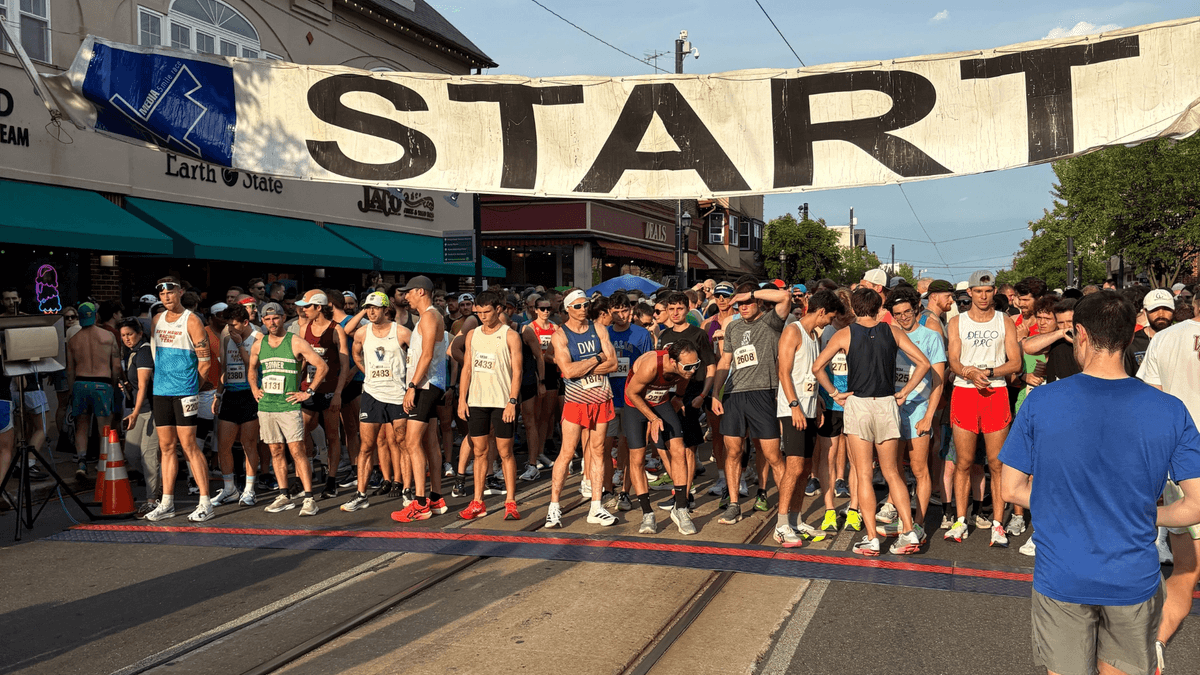
- Start/finish arch (many race timers provide one)
- Directional course signage
- Sponsor banners
-
- Post-race basics: water, bananas, granola bars
- Optional: food trucks, coffee stands, local vendors
Permitting, Insurance and EMS: Boring but Non-Negotiable
No one gets excited about red tape—but skip it, and your race could get shut down before it starts.
What You’ll Likely Need:
-
- Apply through your city, township, or parks department
- Some municipalities require 60–90+ days' notice
- Be ready to submit route maps, expected attendance, and safety plan
- Permission for Roads, Parks, or Trails
-
- Coordinate early with police, public works, or parks & rec
- Road closures often require police staffing and barricades
- Insurance (Certificate of Insurance / COI)
-
- General liability policy ($1M+ coverage is common)
- Many venues require being listed as “additional insured”
- Cost is usually a few hundred dollars
- Pro tip: Check if your school, nonprofit, or umbrella organization has coverage
- Emergency Medical Coverage (EMS)
- Police or EMT presence may be required by the municipality
- At a minimum, have a first aid station and volunteers who can call 911
- For larger races, consider hiring EMS or partnering with local fire/ambulance
Bottom Line: Start this process early. A single missing permit or lack of insurance can kill your event. Don’t let paperwork be your blind spot.
Sell Sponsorships
Sponsorships can cover your costs—and then some. Approach them with a clear pitch and a plan to deliver value.
Tips for Selling Sponsorships:
- Create sponsor tiers (e.g., $250, $500, $1,000+)
- Include clear deliverables: logos on shirts, social media shoutouts, mentions in email blasts and booth space
- Target local businesses: realtors, gyms, insurance agents, coffee shops
- Ask in person when possible—don’t rely on email alone
- Deliver ROI: send photos post-race, tag them in social media posts and thank them publicly
👉 Read more - strategies to secure race sponsors
Shirts, Medals and Race SWAG
Race gear does more than just look good—it builds hype, provides another revenue stream and helps runners remember your 5K.
5K Shirts
- Order custom race shirts with your logo on the front
- Switch the color every year to build excitement
- Pro tip: Use shirt mockups in your marketing to drive registrations
- Typical turnaround time for custom printed shirts: 10+ days
- Put sponsor logos on the back
Race Medals
- Finisher medals celebrate runners’ accomplishments and increase post-race satisfaction
- Runners love posting their medals on Instagram with the #medalmonday hashtag
- Even simple designs go a long way toward creating a “professional race” feel
Event SWAG
- Offer hoodies, beanies, hats, and other merch to increase excitement and drive revenue
- Sell SWAG directly in the registration flow so runners can buy it while signing up
Managing Stress: You Can’t Do It All Alone
Race week will be stressful—accept that. Prepare and delegate.
Tips to Stay Sane:
- Create a run-of-show schedule for race day
- Assign area leads (registration, volunteers, course, etc.)
- Use walkie-talkies or a group text thread to communicate
- Take a walk before the race starts. Breathe.
If you're doing this solo, consider recruiting at least one reliable co-director to share the burden.
➡️ Feeling overwhelmed by the details? Let’s make your next 5K stress-free. Book a quick call and we’ll walk you through what we've seen work for thousands of race directors.
Race Day and Beyond
Photography & Videography: Think Beyond Race Day
Invest in content that will pay off next year.
- Hire a local photographer or drone videographer
- Ask them to capture key moments: start line, finish line, top runners and crowd energy
- Post photos to social media—tag runners and sponsors to increase exposure
- Use highlight reels and top photos in next year’s promotional content
Great visuals make next year’s race easier to promote—and more likely to grow.
Race Operations: Logistics Matter
Great logistics mean happy runners. Overcommunicate, stay organized, and plan every detail.
Communicate!
- Overcommunicate with participants, vendors and volunteers
- Send a “Know Before You Go” email with course details, packet pickup info, nearby parking and race day logistics
Packet Pickup
- Set a clear time and location
- Rule of thumb:
- < 500 runners: Handle bibs and shirts on race morning with a full volunteer crew.
- > 500 runners: Host an early packet pickup. Local running stores and restaurants may pay you for the extra foot traffic.
Water Tables
- Place water tables every ~1.5 miles (or at turnaround)
- At a minimum, have plenty of water at the start and finish
Course Marking & Road Closures
- Share the course map on the registration page
- Print a large course map for display at packet pickup and on race day
- Coordinate road closures with police and local officials
- Assign a lead cyclist or police escort to guide runners and prevent wrong turns
Banners and Signage
- Rent or borrow cones and directional signage
- Hang start/finish banners and clearly mark the course with signs, chalk and volunteers
- Organize trash, recycling, and bathroom access
Music
- Sync music with the start time to build adrenaline and energy
- Make sure finish line music is playing to create a celebratory atmosphere
Sample Race Day Agenda
- 6:30 AM – Arrive on site
- 6:45 AM – Mark course
- 7:00 AM – Vendors arrive
- 7:30 AM – Volunteers arrive
- 8:00 AM – Race-day registration and bib pickup opens
- 8:45 AM – Pre-race announcements
- 9:00 AM – Race starts
- 9:45 AM – Awards ceremony
- 10:00 AM – Last runner finishes
- 10:30 AM – Pack up and depart
Awards Ceremony
Runners love being recognized—it makes their effort feel worthwhile.
Tips for a Great Awards Ceremony:
- Offer overall male and female awards, plus age group awards (every 5 or 10 years is common)
- Recognize sponsors, top fundraisers, and the largest teams
- Take photos at the podium—runners love to share them
- Customize categories to match your community. For school, company, or charity races, consider awards like:
- First place alumni
- First place student
- First place employee
- First place cancer survivor
- It’s OK to start the ceremony before the final runner finishes, especially if the course is long
Post-Race Experience
A fun, welcoming, and well-run post-race environment makes runners feel appreciated, enhances your race’s reputation, keeps sponsors happy, and increases the chances that everyone comes back next year.
Whether you're organizing a school 5K, a charity fun run, or a city-wide half marathon, creating an unforgettable post-race experience that leaves people smiling will keep runners talking about your race long after it ends.
FAQ 1: How long does it take to plan a 5K race?
Most community races require 3–6 months of planning. Larger events may need up to a year.
FAQ 2: How much does it cost to organize a 5K?
Costs vary widely, but most races spend between $2,000 and $15,000 depending on permits, timing, shirts, medals, and venue requirements.
FAQ 3: How many volunteers do you need for a 5K?
Small races may need 10–20 volunteers, while larger events often require 50 or more volunteers.
FAQ 4: Do I need race timing for a 5K?
Not always. Small fun runs can use simple timing methods, while larger races generally benefit from professional timing services.
FAQ 5: What is the most important part of managing a 5K?
Planning ahead, assigning responsibilities, and maintaining clear communication with volunteers, vendors, and participants.
Final Thought: A 5K is More Than a Race
You’re not just managing a 5K—you’re building something that matters.
A great race gets people moving, builds community, and raises money for causes that matter. When done well, your 5K becomes a local tradition—and you become the one who made it happen.
Need help managing your 5K?
Run The Day provides registration, timing, and race management to make your job easier—from the first planning meeting to the final finisher.
➡️ Feeling overwhelmed by the details? Let’s make your next 5K stress-free. Book a quick call and we’ll walk you through what we've seen work for thousands of race directors.