The Rundown Newsletter
View Results
Ian Campbell | June 25, 2026
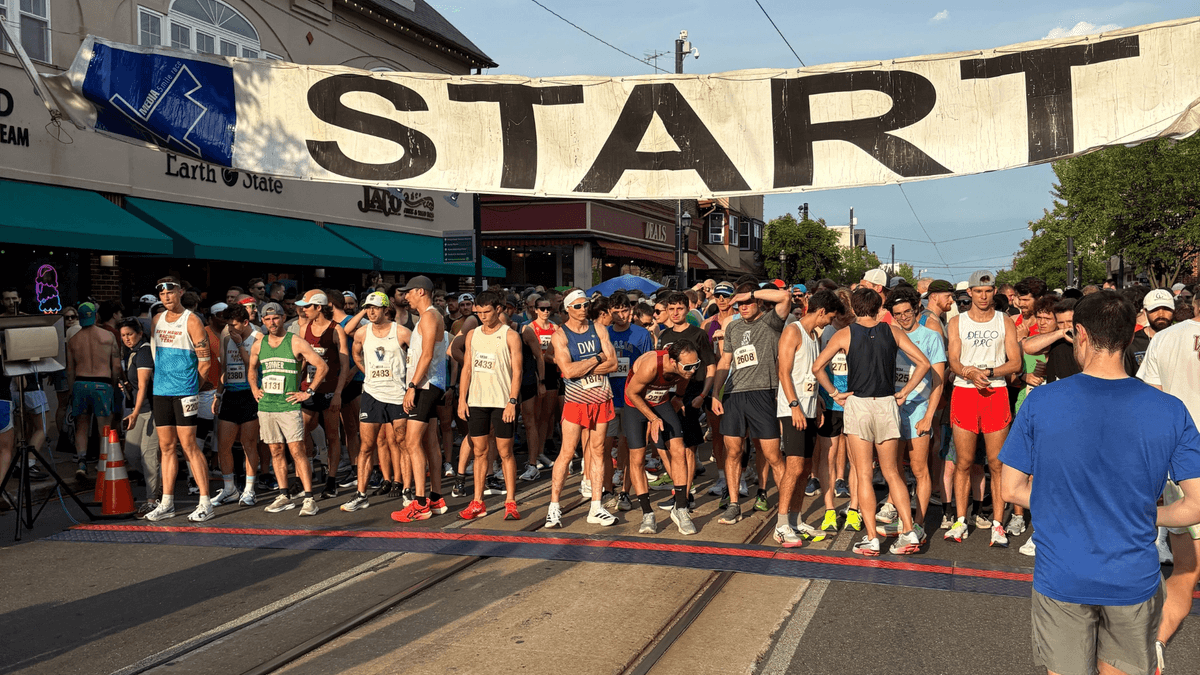
Not every 5K is about crossing the finish line; sometimes it’s about grinding through a full-body challenge. If you're seeing more fitness events pop up that combine running with strength and endurance workouts, it's the rise of fitness challenge 5Ks.
A new wave of hybrid races designed to test more than just your pace. These events are becoming one of the most popular types of 5K races because they attract runners, gym members, and fitness enthusiasts looking for a more engaging challenge.
As a race organizer, this growing trend opens up a huge opportunity. Whether you're part of any wellness brand or community fitness group, these challenge-style 5Ks deliver energy, audience engagement, and social buzz like other formats.
A fitness challenge 5K combines running with physical challenges such as push-ups, sled pulls, kettlebell carries, rowing, or bodyweight exercises. Unlike a traditional 5K race, participants are tested on both endurance and strength throughout the event.
Fitness challenge races have grown rapidly because they attract runners, gym members, CrossFit athletes, and anyone looking for a more engaging race experience.
Runners want more than miles; they want push-ups, sled pulls, and a reason to sweat with their squad.
Studios like Barry’s and SolidCore proved it: group workouts that mix strength and endurance are a hit. Now that same format is showing up at 5Ks.
These races speak to:
One thing that makes fitness challenge races unique is the atmosphere.
At a traditional 5K, runners often spread out quickly after the start. In a fitness challenge race, participants spend more time together at workout stations, cheering each other on and sharing the experience.
We've seen people who would never sign up for a traditional race show up for a hybrid event because it feels more like a community workout than a competition.
For gyms and fitness communities, that social element can be just as valuable as the race itself.
Why this works: This sounds exactly like Ian. It's community-focused and experience-driven rather than SEO-driven.
Timing a fitness challenge 5K isn’t always as straightforward as a traditional road race.
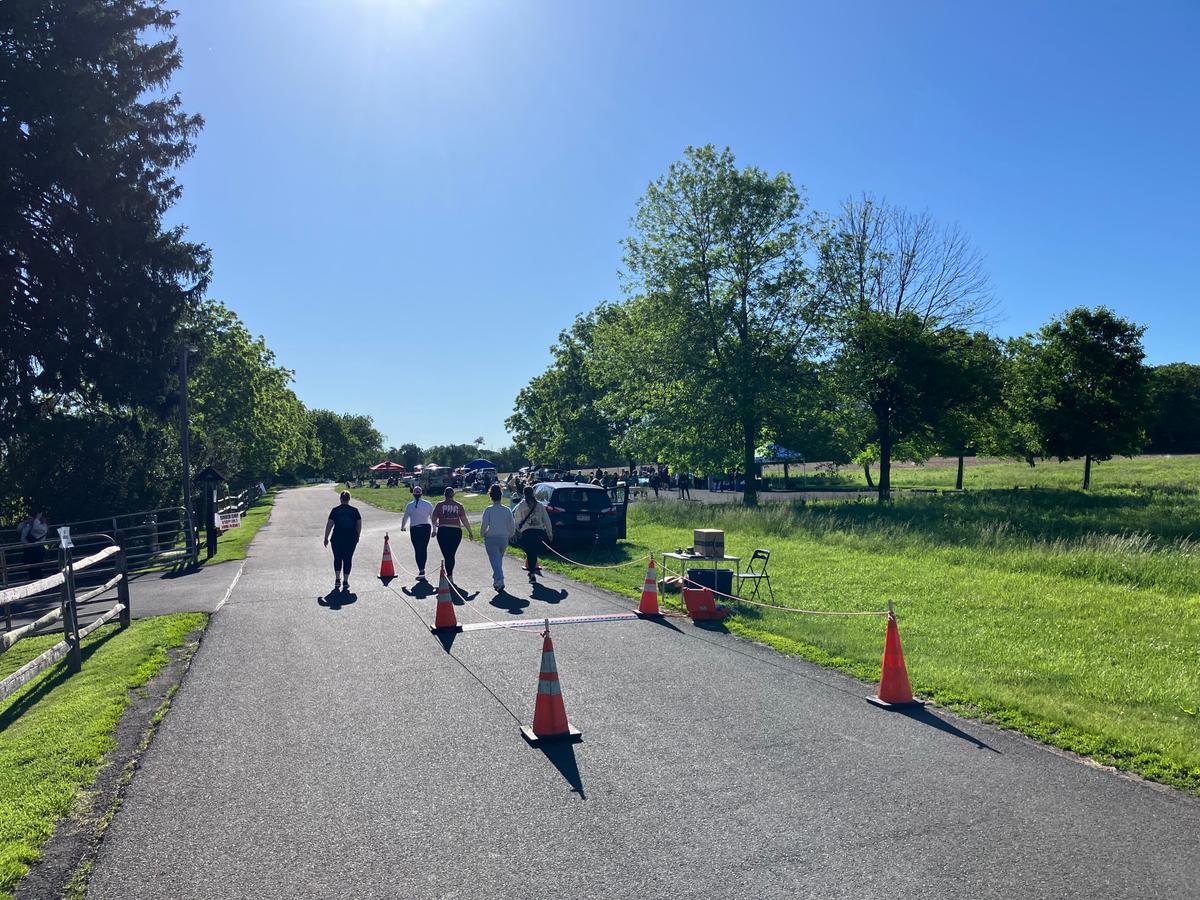
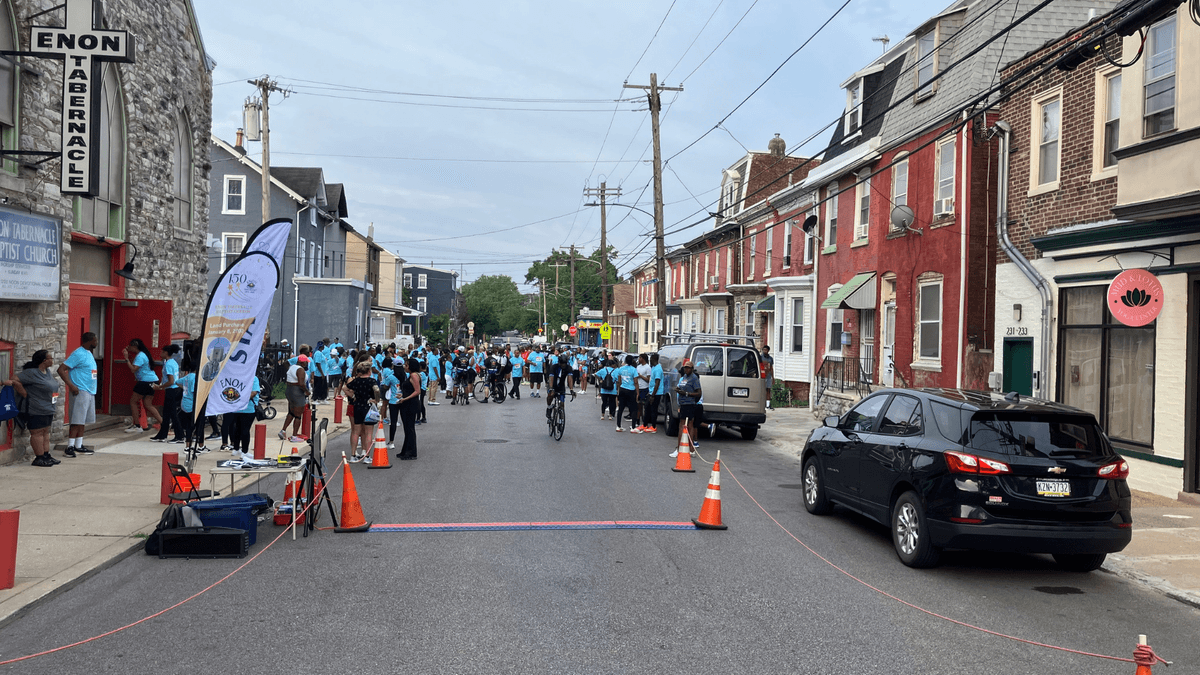
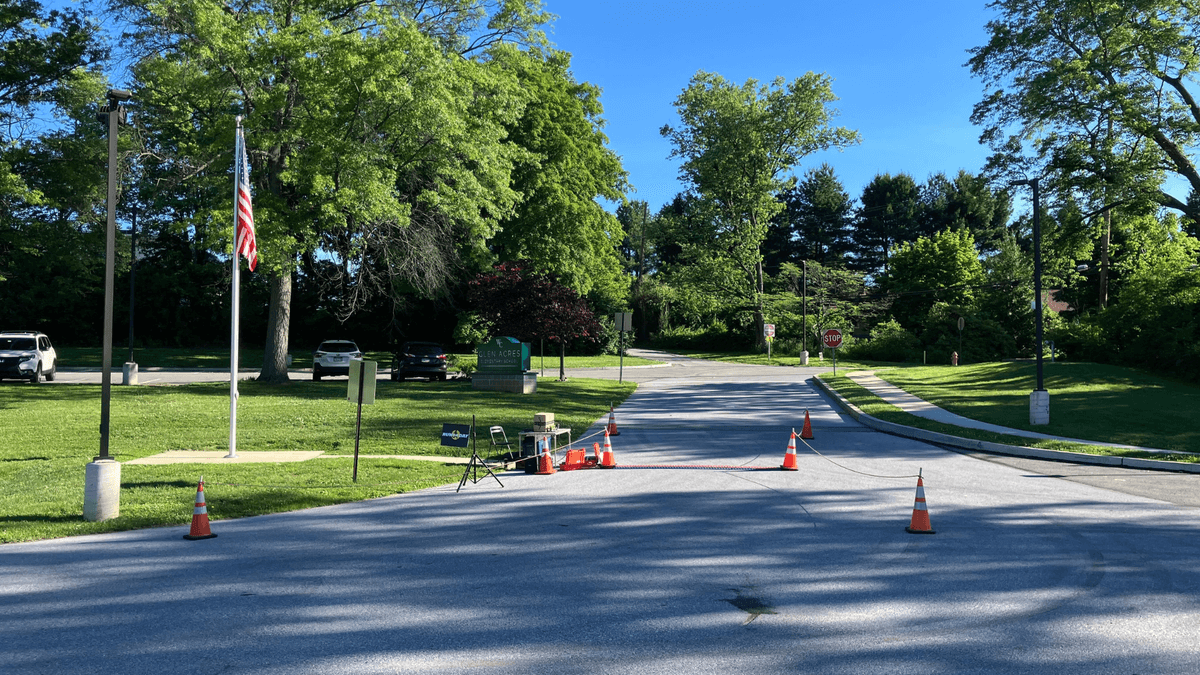
If your event includes multiple run segments with stations in between, like push-ups, sled pulls, or kettlebell swings, you need more than just a start and finish line.
Here’s what to consider:
Understanding how chip timing works for 5K races can help organizers choose the right timing setup for hybrid events. Run The Day supports both options and offers live results, so your athletes (and spectators) can see progress in real time.
If you're new to race timing, our guide on How to Time a 5K Race breaks down the options and costs involved.
If you’re looking for inspiration, look no further than HYROX, the global fitness race redefining what is 5k race can be.
Each event combines 8 runs and 8 functional workouts (like sled pushes, burpee broad jumps, and rowing). It’s the perfect storm of endurance, strength, and competition.
What makes HYROX stand out?
HYROX has shown that people want more than just a flat 5K; they want to test themselves. This growing demand for unique race experiences is creating new opportunities for organizers looking to increase race registrations and attract different audiences.
HYROX might be the global leader, but local races are jumping in with creative takes on the hybrid 5K.
A regional favorite that combines functional strength stations with fast 5K segments, bringing together kettlebells, lunges, and sprints in a single loop.
Created by a local gym community, this grassroots race blends running intervals with push/pull fitness challenges, showing how hybrid racing thrives at the city level.
You don’t need a global brand to launch a fitness challenge 5K fitness challenge—just the right format and a willing crowd.
Ready to plan it all out? Here's how to organize a 5K race step-by-step, from registration and timing to volunteers and race-day logistics.
Thinking about launching a hybrid fitness race?
Download our free Fitness Challenge 5K Planning Checklist to help manage workout stations, timing setup, volunteer assignments, equipment planning, safety protocols, sponsors, and race-day logistics.
Fitness challenge 5Ks aren’t just a trend, they’re the future of hybrid racing. When you combine strength, speed, and teamwork, you get an event that’s more inclusive, engaging, and community-driven.
Choosing the right race timing solutions becomes even more important when athletes move between multiple workout stations throughout the event.
A fitness challenge 5K combines running with strength or endurance stations, such as push-ups, sled pulls, or weighted carries. It tests both cardio fitness and strength, unlike a traditional run-only race.
Yes. Many events, including HYROX and local fitness 5Ks, offer scaled or beginner-friendly divisions. Participants can adjust weights, reps, or station intensity while still completing the race.
HYROX is a global fitness race combining 8 runs with 8 functional workouts. It’s become the benchmark for hybrid racing.
Yes. Events like Urban Iron and PushPull5K Philadelphia bring hybrid racing to local communities. They mix timed running segments with push/pull strength challenges, attracting both gym athletes and runners.
Typical setups include sleds, kettlebells, sandbags, rowers, or bodyweight stations. Organizers also need timing mats, space for transitions, and volunteers to manage stations safely.
Gyms, nonprofits, fitness brands, and community race directors can all benefit. These events attract diverse participants, boost community engagement, and open new sponsorship opportunities.
Not necessarily. Many fitness challenge races attract gym members, CrossFit athletes, and people who enjoy group workouts but don't consider themselves traditional runners. That's part of what makes these events so appealing.
Thinking about launching a fitness challenge 5K?
Run The Day helps race directors manage registration, timing, participant tracking, and race-day logistics for traditional and hybrid fitness events—all from one easy-to-use platform.
Schedule a demo to see how Run The Day simplifies race management.