The Rundown Newsletter
View Results
Ian Campbell | June 23, 2026
Whether you’re organizing a small school fun run or a 4,000-runner half marathon, one thing never changes: your timing system determines runner experience. The right setup delivers fast, accurate results. The wrong one creates long lines, frustrated runners, and endless stress for race directors.
And here’s the challenge:
Not every race needs the same timing system.
Some 5Ks can be timed easily with a DIY race timing system. Larger events need chip timing for 5K or 10K races. Massive races require custom timing services with RFID mats, split points, and announcer feeds.
If you’re unsure where to start, reviewing what to look for when hiring a race timing company will help you narrow down the right technology and partner for your needs.
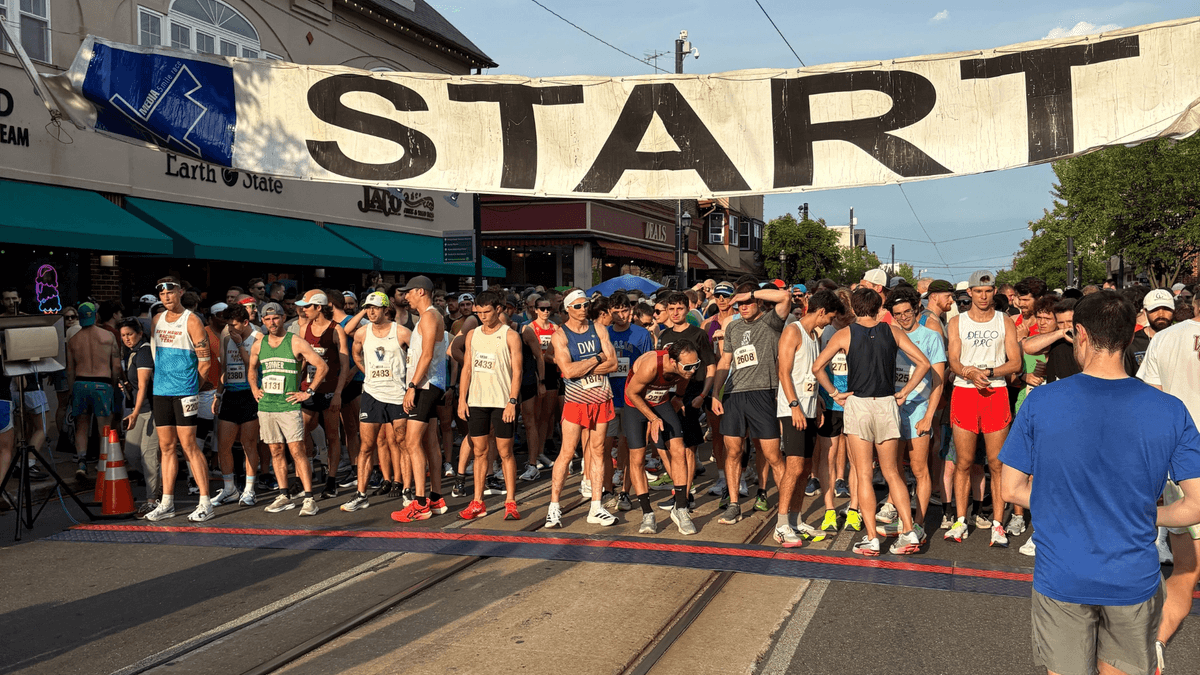
A small 150-runner charity race doesn't need the same setup as a 2,000-runner road race. Your event size affects:
Choosing the wrong setup causes delays, errors, or unnecessary costs. Choosing the right one keeps race day smooth, calm, and accurate.
| Race Size | Timing System | Timing System Description |
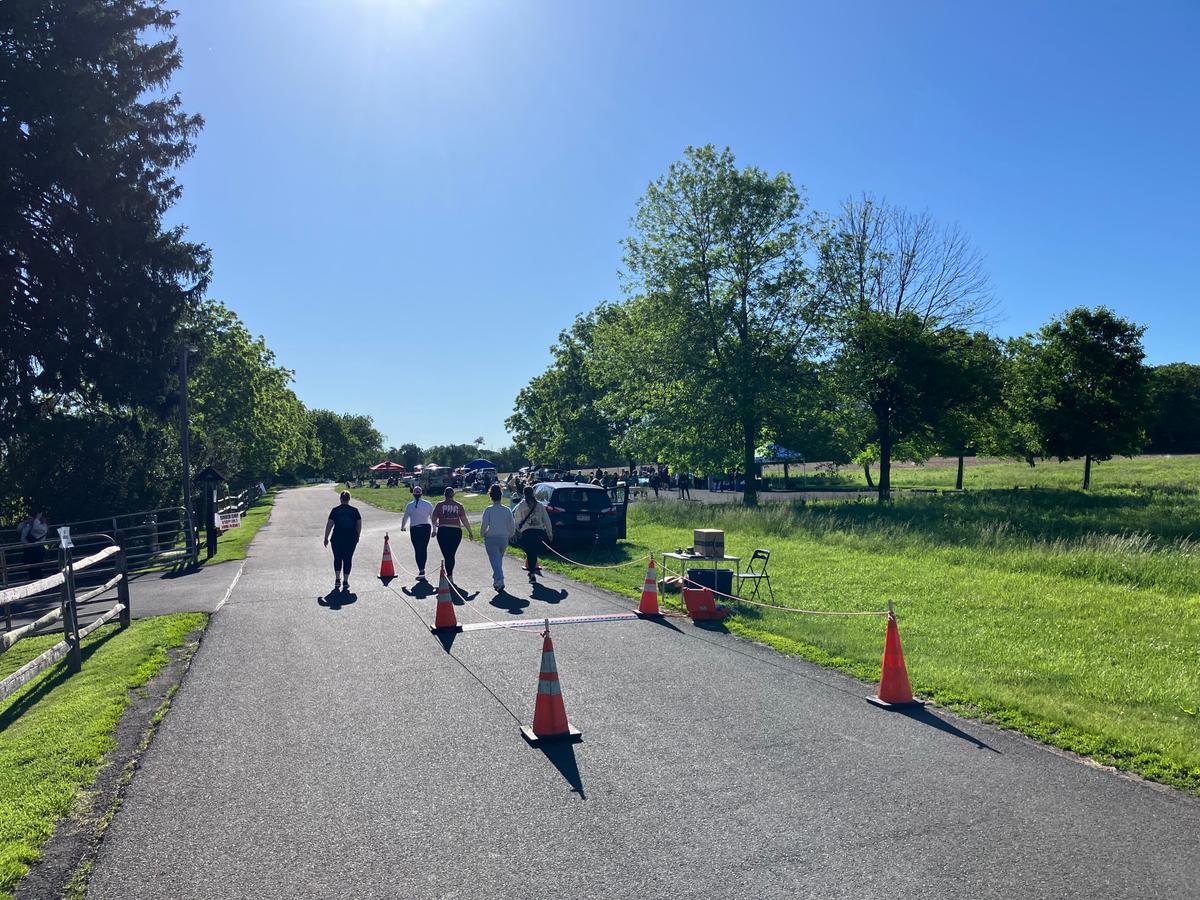
| For Small Events (Up to 200 Runners) | DIY Race Timing System (App-Based) | Ideal for school fun runs, charity 5Ks, and community races. DIY race timing solutions offer accurate results without expensive chip timing. Volunteers can learn the system in minutes. Perfect for organizers needing a simple, low-cost 5K timing system with live results, bib tracking, and age-group awards. |
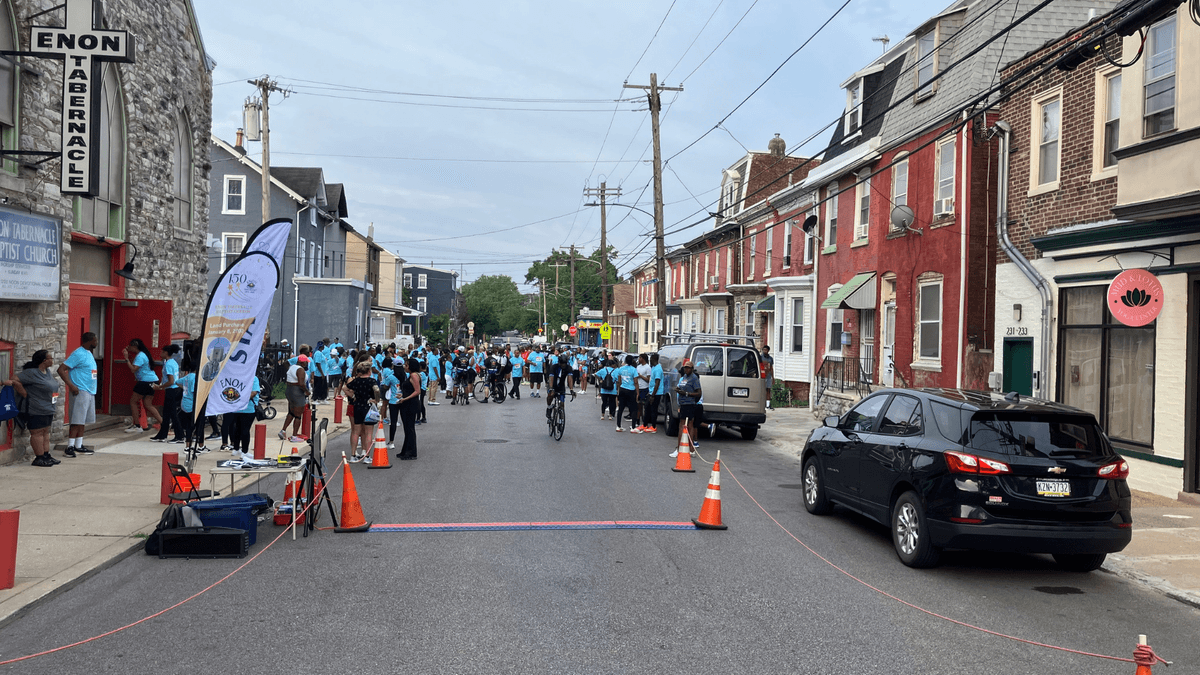
| For Medium-Sized Events (200–800 Runners) | Classic Chip Timing (RFID) | Great for 10Ks, memorial runs, and corporate wellness events. RFID chip timing for 5K or 10K races provides precise times, gender/age divisions, and live results. Works well when many runners finish at the same time. |
| For Large Events (800+ Runners) | Custom Chip Timing System | Designed for large road races and marathons. Includes specialized race timing equipment, split mats, announcer feeds, team scoring, fundraising reports, and advanced analytics. High accuracy and high speed for tightly packed finishes. |
For more step-by-step guidance, our how to time a 5K race guide breaks down timing strategies for different race sizes.
Race directors deal with several issues when choosing a timing system:
Chip timing can cost $1,000–$10,000+, which is often too high for small or school-based events.
Getting volunteers comfortable with timing equipment or apps can be tough — especially for first-time races.
Human error, spreadsheet delays, or slow chip-timed uploads can create problems and unhappy runners.
Many races use separate tools for registration, bib assignment, timing, and results leading to mismatched data.
What works for a 150-runner race breaks down at 800 runners.
Download our free Race Planning Checklist and get a step-by-step guide covering registration, timing, volunteers, sponsors, promotion, and race-day logistics.
Run The Day has been supporting race organizers for 20+ years. Here’s how the platform helps at every event size:
A user-friendly mobile timing app means volunteers can be trained in as little as 15 minutes. This simplicity helps reduce prep time and ensures race day runs smoothly without requiring technical expertise.
Whether you’re timing a 300-person 10K or a 3,000-runner marathon, flexible timing packages can scale to fit your race. They integrate seamlessly with professional race day timing systems to deliver fast, accurate, and stress-free results.
➡️ Tired of complicated software? See how Run The Day makes registration and check-in easy. Schedule a demo to experience simple software built for 5K races.
Regardless of the size of your race, keep these in mind:
Can your team or volunteers learn it quickly? Run The Day's mobile app takes minutes to understand.
Do runners get real-time updates? This platform posts live results online so nobody is waiting.
Will you need age group awards? Age group finishers in Run The Day’s race results are ready in one click.
Does your timing system work with your registration platform? With Run The Day, registration and timing live in one dashboard.
Don’t pay for bells and whistles that you’ll never use. This platform offers affordable race timing options for events of all sizes.
Whether you’re timing 50 or 5,000+ runners, the platform brings:
Whether you’re timing 50 runners or 5,000, the platform adapts.
Choosing a rouace timing system does not need to be overwhelming.
It’s about estimating your event size, understanding your participants’ expectations, and surrounding yourself with the right tools to have an organized, accurate and calm race day.
The right race timing solution will:
We offer just that, for schools, charities, clubs, and all types of race organizers who are looking for simplicity, accuracy, and value.
Many timing problems can be avoided with proper planning. Understanding the most common race director mistakes can help organizers make better decisions before race day arrives.
Ready to Time Smarter?
Whether you’re running a small community 5K or a growing annual race, Run The Day gives you the confidence and tools to deliver a smooth, successful event.
➡️ Need help? Get a race timing quote from Run The Day for full-service or self-serve timing setups. Packages start at $499 per event.