Everything You Need to Know to Execute a Memorable Race
California is a runner’s paradise. From beachside boardwalks to wooded trails, mountain views to sun-soaked cities, the Golden State is home to thousands of races every year. Behind every 5K, trail race, half marathon, and fun run is a race director who is managing permits, timing, volunteers, sponsors, and more.
If you're organizing a 5K in California, whether in Los Angeles, San Diego, or the Bay Area, this guide will help you execute a successful race while keeping things simple and following the rules.
Define Your Race Goals
Set clear race goals to help you make decisions that attract the right people to your race.
Set a Clear Purpose
Ask yourself: Why are we organizing this race?
It could be
- To raise money for a local charity
- To bring people in your community together
- To promote a healthy lifestyle
Knowing the “why” makes planning everything else easier.
Know The Audience You’re Planning To Attract
Understanding your audience helps you to tailor your race setup, amenities and communication.
- Serious runners expect well-marked routes, accurate timing, awards, and medals.
- Casual runners look for fun, safe, and welcoming events for all ages.
- Families and cause-driven groups often seek opportunities to remember a loved one or raise money for their cause.
Pick Your Race Distance
Choose a race format that fits your audience and location.
- 5K and Fun Runs – Easy and fun for families, kids, and first-time runners.
- 10K and Half Marathons – A good challenge for experienced runners.
- Trail Runs and Ultra Marathons – Beautiful trails present a great opportunity to offer scenic running in nature.
In California, themed races, like holiday runs, coastal routes and vineyard races, often attract large crowds of people.
Planning a California 5K Race? Start With the Right Checklist
Download our free Race Planning Checklist and get a step-by-step guide covering permits, registration, timing, volunteers, sponsors, promotion, and race-day logistics.
Choose the Right Date and Location
Thoughtfully selecting the right time and venue for the race goes a long way.
Plan for the Weather
Whether you're learning how to host a 5K in Los Angeles, San Diego, Sacramento, or the Bay Area, early venue planning gives you the best chance of success.
Use this race planning checklist to select the best date for your event and avoid scheduling conflicts with other major local events.
Avoid Scheduling Conflicts
Check local race calendars to make sure your event doesn’t clash with other major events nearby.
Pick a Good Route
Think about what works best for your race:
- Parks, trails, boardwalks and closed city streets all make great routes.
- Make sure the course is easy to navigate, spectator-friendly, and safe for all runners.
Secure Permits
You’ll likely need:
- City or county permission to use public spaces
- Approval for road closures
- Police and EMS for safety
- Event insurance
Start the permit process at least 6 to 12 months before race day, since it can take time to get approvals.
Create Your Race Website
Start with a simple event website that includes:
- A short description about your race
- The cause that your event supports
- Route map and parking details
- Registration link
- Race day schedule and FAQs
- Contact info for questions
Keep it clean, mobile-responsive, and easy to update.
This website will also help potential sponsors understand how they can sponsor your race and get involved in your event.
Choose a Registration Platform
A good registration platform 2026 helps to manage signups, collect payments, and stay organized. Here are a few options:
- Run The Day – A one-stop shop offering registration, marketing, timing and integrated fundraising. It is easy to use and ideal for community races with up to 5,000 runners
- RunSignup – Best suited for major endurance events
- Active.com - Ideal for multisport events, large races, and organizations that host summer camps
- Race Roster – Designed for big marathons
- Eventbrite – A general event platform that works well for casual group runs and happy hours
Look for helpful features like:
- Mobile-friendly registration
- Fundraising and team registration
- Mobile payment options
- Volunteer sign-up
- Dynamic bib assignment
The best race registration platform will save you time and make the whole process smooth.
Race Timing with Live Results
To keep race day smooth, team up with a trusted partner who has experience timing races like yours. If you’re managing a 5K race, accurate and reliable timing is essential for an excellent participant experience.
- Do It Yourself (DIY) App-Based Timing — Ideal for small events like school fun run, trail races, and community 5Ks with up to 200 runners. It is budget-friendly and accurate.
- RFID Chip Timing - Best for mid-sized events with 200-800 runners and large races with thousands of runners.
Why Race Directors in California Choose Run The Day
Run The Day is a one-stop shop for races that combines registration technology and boots on-the-ground timing. It is easy to use, simple, and backed by a helpful support team of humans.
Here’s why race directors trust Run The Day:
- Ideal for small to mid-sized races (100 to 5,000+ participants)
- 20+ years of experience in timing races
- Upfront, transparent pricing with no hidden fees
- Friendly people that support you before, during and after race day
- Easy to use, even if it’s your first time organizing a race
Run The Day gives you everything you need to run a smooth event, without the stress.
Recruit Volunteers
You’ll need a strong team to keep your race running smoothly.
Key Roles to Fill:
- Water station helpers
- Course marshals
- T-shirt handout and bib assignment at registration
- Parking attendants
- First aid support
- Finish line energy with medals and bananas
Where to Find Volunteers:
- Local high schools and colleges (many students need volunteer hours)
- Running clubs in your area
- Community groups and nonprofits
- Employees from your sponsor companies
- Retired folks
Having a good group of helpful and friendly volunteers can make a big difference on race day!
Sell Sponsorships
Sponsors help races to cover costs while making the race appear more professional to participants.
Don’t Just Ask for Money
Sponsors can contribute in many ways, like:
- Free water bottles, energy drinks and snacks
- T-shirts, medals, and race gear
- Prizes for awards and giveaways for raffle winners
- Hotel rooms for timers traveling from out of state
- Helping promote the race
Who to Approach in California?
While looking for sponsors for your race in California, consider reaching out to:
- Health and fitness brands (gyms, wellness centers, sports stores)
- Organic food companies and local farmers' markets
- Local tech startups (think fitness apps) looking for community exposure
- Breweries and wineries that want to connect with active audiences
- Outdoor brands (apparel, gear, adventure companies)
Start to reach out early, ideally 3 to 9 months in advance. Consider offering tiered sponsorship levels (like Gold, Silver, Bronze) with clear benefits for each, such as logo placement, booth space, or social media mentions.
Plan for Race Day
A smooth race day starts with thoughtful planning. Think through every detail ahead of time.
Must-Haves:
- Clear signage for parking, registration, bib pickup, start/finish and restrooms.
- Water and aid stations placed at regular intervals.
- Emergency plan with first aid stations and a direct line to EMS.
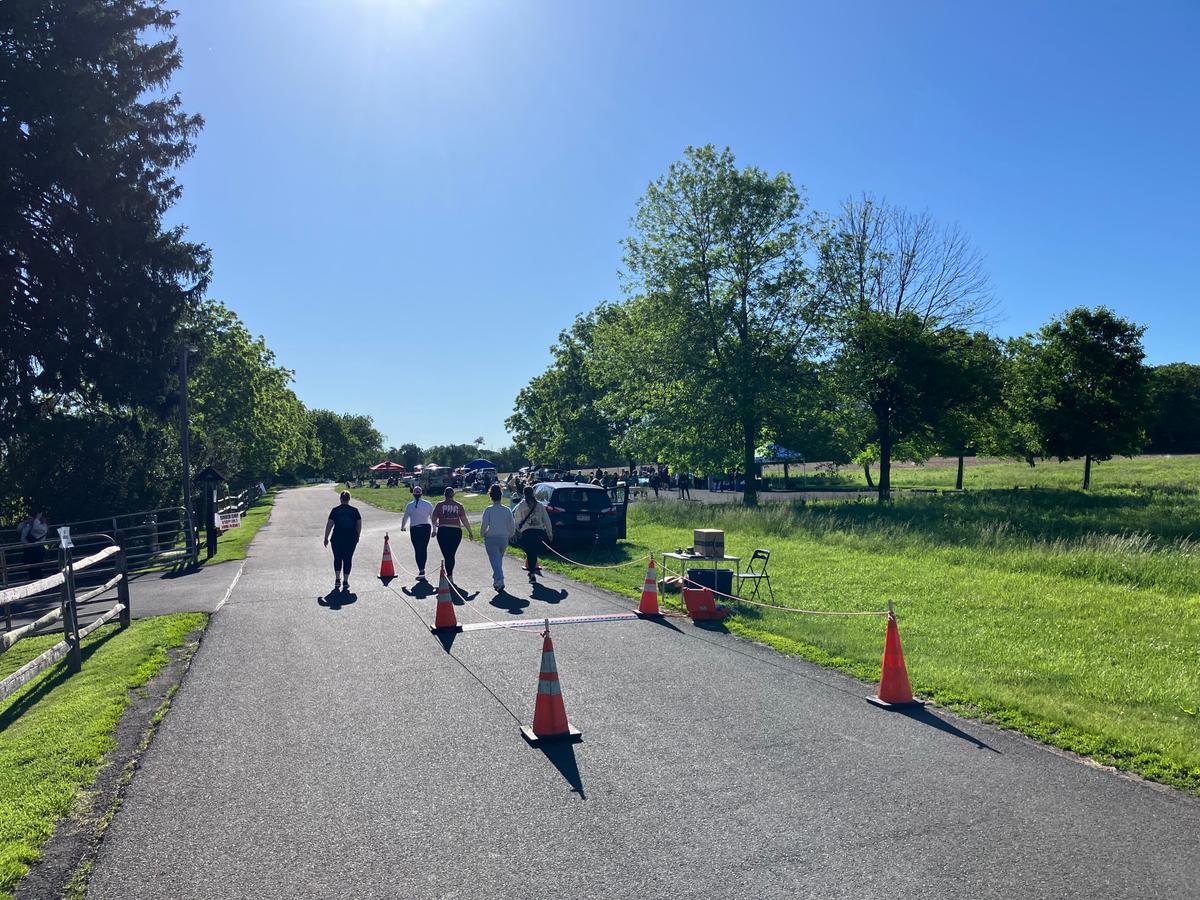
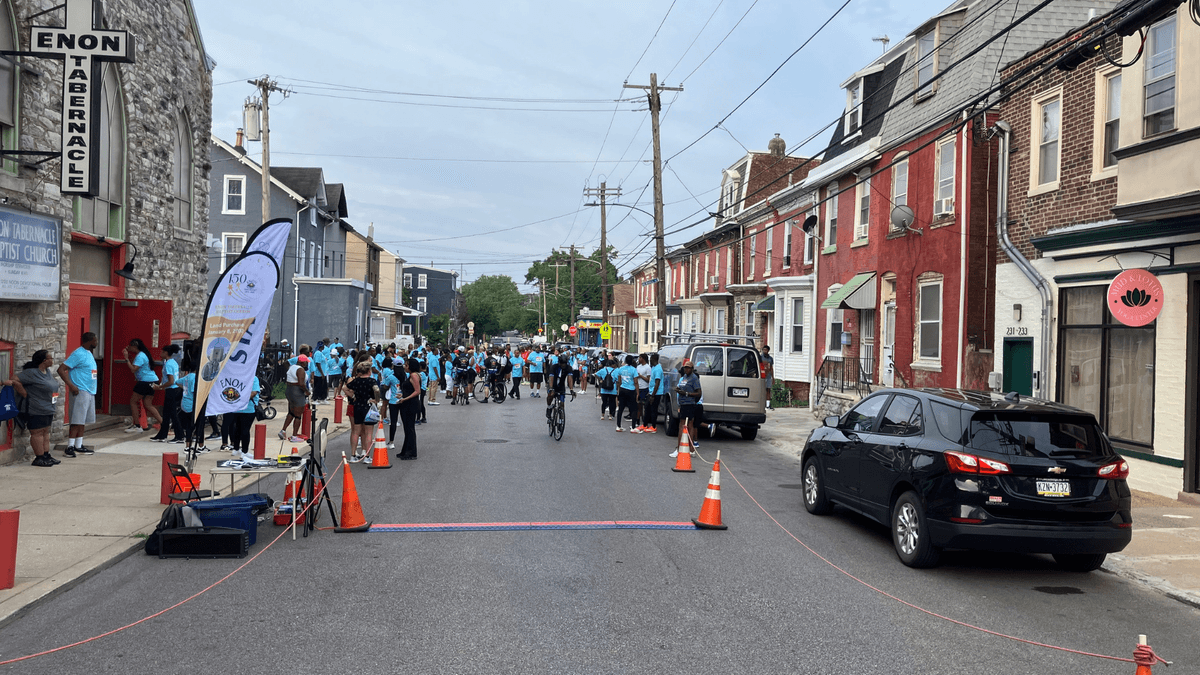
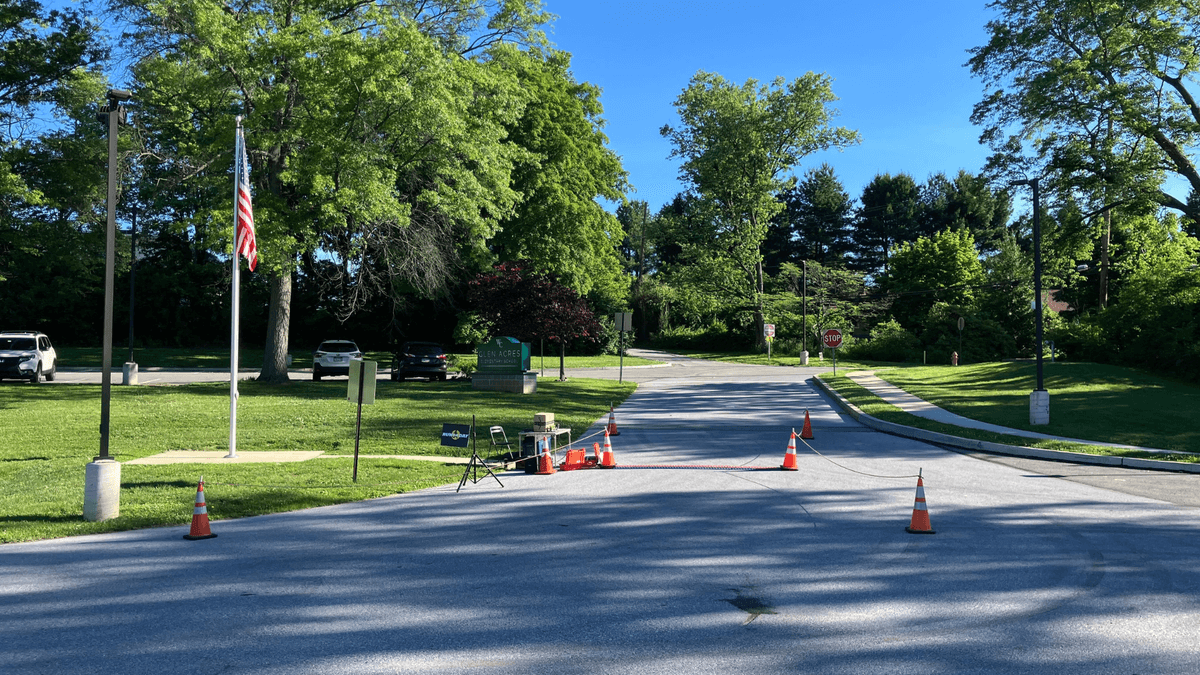
- Barriers and cones for crowd control and safety.
- Announcers or DJ to guide the crowd and keep energy levels high.
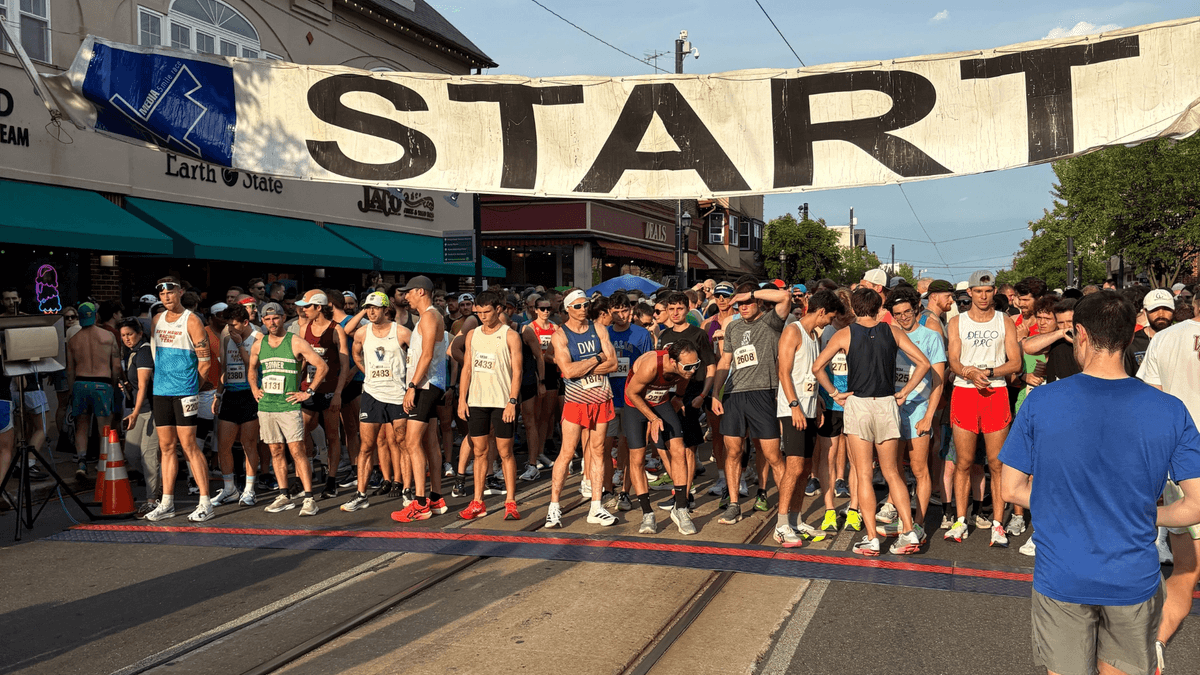
- Start/finish line setup with banners, timing mats, and speakers for music.
Also Consider:
- Waste management: Provide plenty of trash bins and recycling stations.
- Accessibility (ADA): Ensure routes and facilities work for all participants.
- Spectator and family zones: Create comfortable areas for non-runners.
Race Promotion
You have the vision for a great race, now leverage promotion channels to get people to sign up:
- Social Media: Facebook events, Instagram reels, TikTok videos.
- Running Clubs: Partner with local and regional running groups to spread the word.
- Flyers & Posters: Hang flyers at gyms, recreation centers, cafes, and running stores.
- Press Outreach: Send press releases to newspapers, local blogs, and radio stations.
- Email Marketing: Reach out to past participants and email lists of local fitness communities.
Manage Race Day & Post-Race Experience
On Race Day:
- Arrive early with everything needed for setup
- Assign a lead volunteer to each area (registration, water stations, parking, etc.)
- Use walkie-talkies or group texts to keep everyone in sync
- Check in with vendors and race timers before the gun starts
After the Race:
- Host a quick awards ceremony to hand out medals and prizes
- Offer snacks, drinks, and post-race fun (live music, yoga cool-down, food trucks)
- Post race-day photos, videos, and results online ASAP
- Send thank-you emails to runners, volunteers, and sponsors
Evaluate and Improve
Now that the race is done, reflect on what worked and what areas are opportunities to improve.
Here is a useful post-race checklist:
- Coordinate a short team debrief a few days after the event while the race is fresh in people’s minds.
- Discuss what went smoothly and what needs to be fixed.
- Send a post-race survey to participants asking for honest feedback.
- Keep notes about the race timing, vendor details, marketing results, issues and weather.
If you're planning to make your race an annual tradition, start organizing next year's event as soon as this one ends. Early planning gives you a head start to secure sponsors, reduce costs, and build more momentum for next year.
Final Thoughts
Organizing a race in California is an opportunity to bring people together, promote a healthy lifestyle, and support a cause that truly matters. With the state’s many beautiful venues and active run communities, it’s the perfect place to host a memorable event.
Great races come together with clear planning, solid teamwork and strong community support. Whether you're organizing a casual fun run or an elite marathon, the right technology and partners make everything easier.
Need help organizing a race in California?
➡️ Planning your next 5K and not sure where to start? Let’s make your race stress-free. Book a quick call and we’ll walk you through what’s worked for hundreds of race directors.