The Rundown Newsletter
View Results
Ian Campbell | June 25, 2026
Trail races aren’t just runs—they’re adventures through nature that challenge runners in new ways.
Unlike traditional road 5Ks, trail races offer different scenery as runners navigate unpredictable terrain and beautiful landscape. For race directors, organizing a trail race offers a different set of safety, logistical and timing challenges than a typical fun run .
In this guide, you’ll learn how to plan, promote, and time a trail race—from mapping your course to recording every finisher’s time flawlessly.
Pro Tip: If you’re just getting started, check out our guide on how to organize a 5K for step-by-step event planning instructions.
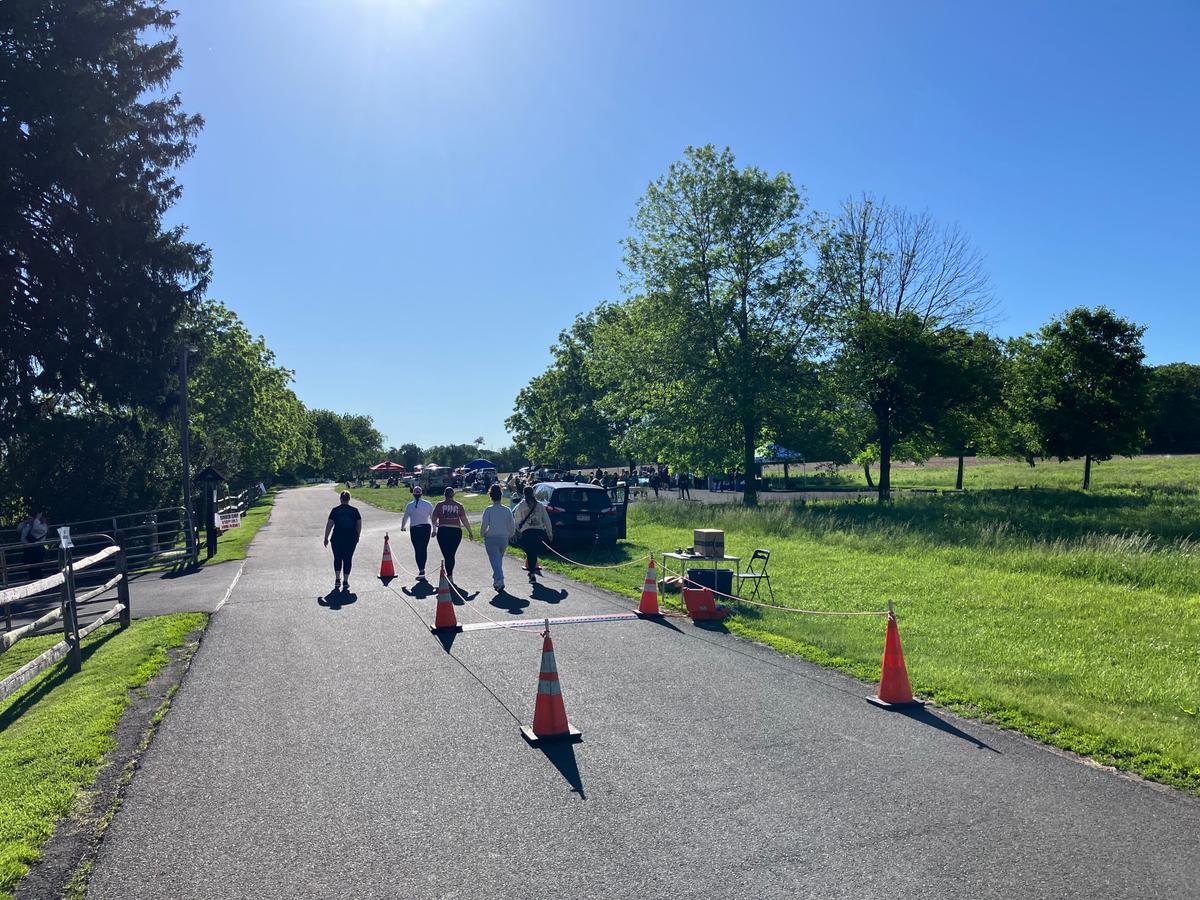
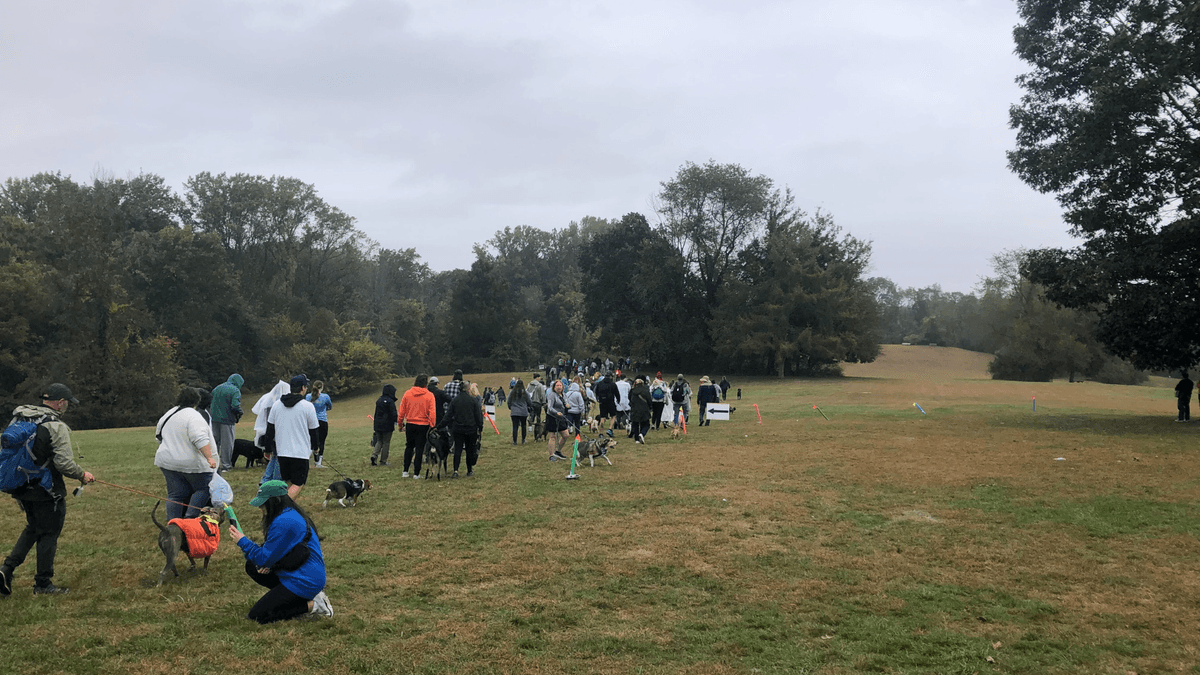
A trail races is a running event that takes place off paved roads—typically on hiking paths, forest trails, or park terrain. Runners face natural obstacles like mud, roots, and hills, making each race a unique test of endurance and agility.
Participants love trail races for their sense of freedom, scenic views, and close-knit community feel. Beyond the physical challenge, these races often raise funds for local charities like environmental conservation causes.
Common formats include:
Trail races deliver an authentic running experience that connects participants with nature—and with each other.
Trail running has grown rapidly as runners look for experiences that go beyond traditional road races.
Many participants enjoy:
For race organizers, trail races can also attract participants looking for a different type of event than a traditional road 5K.
Trail races offer a completely different rhythm and mindset than traditional road events.
Here’s what sets them apart:
Trail races attract participants who crave adventure, challenges, and camaraderie—qualities that define the running community.
Related: Explore other types of 5K races and find the best fit for your event goals.
A great trail race starts with a thoughtful, well-mapped course.
Here’s how to plan it right:
Planning a trail race involves more than marking a course. Permits, safety plans, volunteers, aid stations, timing, and environmental considerations all need to come together before race day.
Download our free Trail Race Planning Checklist to help you stay organized and avoid common trail race mistakes.
Not every trail runner has the same experience level.
When designing your course, consider:
A beginner-friendly 5K trail race should feel challenging but achievable, helping participants build confidence and return next year.
Bonus: If your event involves schools or community groups, see how to organize a school fun run for fundraising success.
Trail race timing can be more challenging than road race timing because courses often pass through forests, mountains, and areas with limited connectivity.
The most reliable trail race timing setups typically include:
Accurate timing helps ensure runners receive reliable results regardless of terrain or network conditions.
If you're comparing timing options, our guide to how race timing systems work explains the differences between RFID timing, smartphone timing, and manual timing methods.
To create a trail race that runners love, focus on the experience—both on and off the trail.
Here’s what to include:
Q1. What’s the difference between trail and road races?
Trail races take place in nature on varied terrain and elevation, which typically offers a more adventurous and scenic experience than road races.
Q2. How do you ensure accurate timing in remote locations?
Network connectivity in remote areas has become much easier and cheaper with tools like Starlink and mobile hotspots.
Q3. What’s the best distance for beginner trail races?
A 5K trail race is perfect for first-timers—it’s manageable yet offers the excitement of off-road running.
Q4. Do I need special permits for hosting a trail race?
Depending on your location, you may need event permits and environmental clearances from local authorities or park services.
Q5. How can Run The Day help with trail race registration and timing?
Run The Day provides all-in-one race management tools—registration, timing, live results, and race-day logistics—tailored for trail events.
Q6. How far in advance should you start planning a trail race?
Most trail races should begin planning 6–12 months before race day. This allows enough time for permits, land approvals, sponsorships, volunteer recruitment, and participant marketing.
Q7. What is the best timing method for a trail race?
RFID chip timing is typically the most reliable option because it works accurately even when GPS signals are inconsistent. Smaller trail races may also use smartphone-based timing solutions.
Q8. How do trail races attract participants?
Successful trail races use local running groups, social media, email marketing, partnerships with outdoor organizations, and strong race photography to attract runners.
Trail races challenge runners physically and mentally. They also create lasting memories and a offer deep sense of connection.
With the right planning, promotion, and timing support from Run The Day, you can deliver a race experience that celebrates the beauty of nature and the thrill of competition.