The Rundown Newsletter
View Results
Ian Campbell | October 13, 2026
A school fun run fundraiser can help schools raise money while giving students a fun way to get active and bring families together. The key is keeping the event simple: set a fundraising goal, choose a safe location, make donations easy, promote the event to families, and give students a reason to participate.
Whether you're planning your first school fun run or looking to improve an annual fundraiser, this guide walks through the main steps—from planning and fundraising to activities and race-day logistics.
To organize a successful school fun run fundraiser:
The goal isn't to create a complicated race. A successful school fun run should be easy for students, families, volunteers, and school staff to understand and participate in.
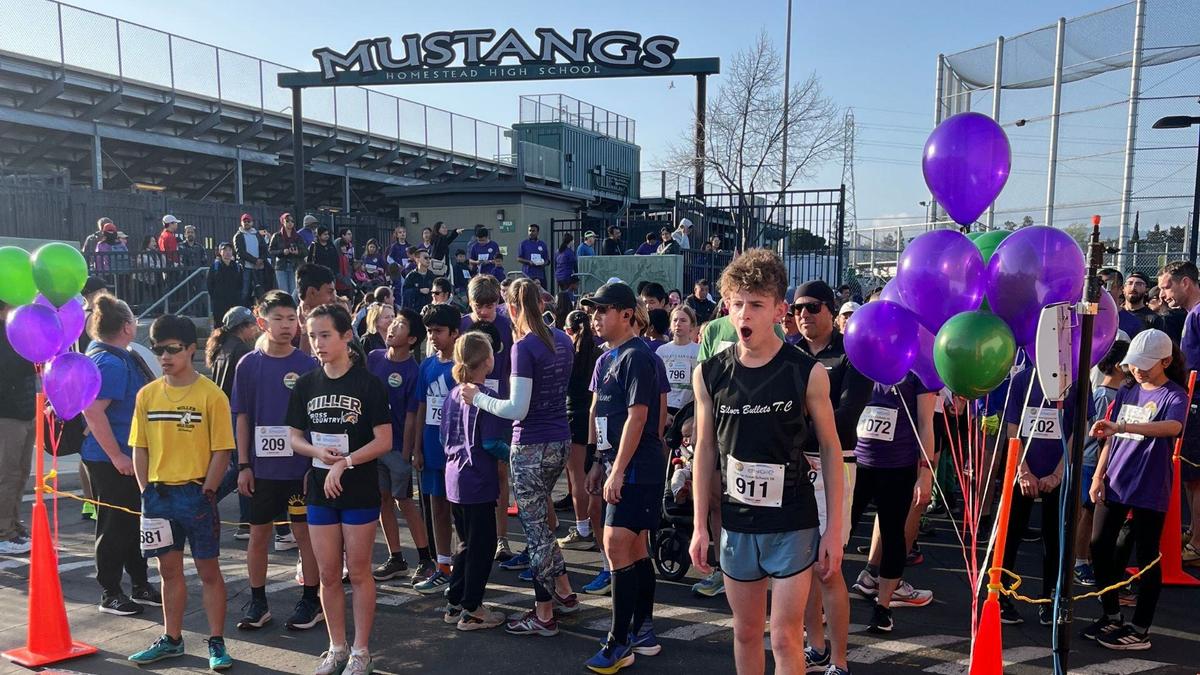
A school fun run is a running or walking event organized by a school to encourage physical activity, school spirit, and fundraising.
Unlike a traditional competitive race, a school fun run often focuses more on participation and fundraising than finish times. Students may run laps around a school field, track, or short course while collecting donations or pledges from family and friends.
Schools can use the money raised for goals such as:
A fun run can also include themes, music, costumes, prizes, and classroom competitions to make the event more engaging for students.
Before planning the event, decide how much money your school wants to raise and what the funds will support.
Start with a specific goal, such as:
“Our goal is to raise $20,000 for new playground equipment.”
Then work backward to determine how many students, families, donations, and sponsors you need.
Your budget may include:
Leave some room in the budget for unexpected expenses.
If you're planning other race expenses as well, our 5K race planning checklist can help you organize registration, volunteers, sponsors, timing, and race-day logistics.
You don't need a large team, but you do need clear responsibilities.
Consider assigning:
Clear ownership helps prevent important tasks from falling through the cracks.
Choose a date that works with the school calendar and gives families enough notice.
For the location, school grounds are often the simplest option. You can use a field, track, playground area, or another safe section of campus.
Before confirming the location, consider:
For younger students, short laps around a controlled area can be easier to manage than a longer course.
There are several ways to structure fundraising.
Families can make a one-time donation to support their student.
Supporters pledge a specific amount for every lap their student completes.
Classes compete to see which group can raise the most money.
Local businesses can contribute money or supplies in exchange for recognition at the event.
Students can share a personal fundraising page with family members and friends.
The most important thing is to make the donation process simple. Parents should be able to understand how to donate and where their money is going without having to contact the school for help.
Running a school fundraiser is easier when you have a clear plan.
Download our free 5K Race Planning Checklist to help organize fundraising, registration, volunteers, sponsors, timing, and race-day logistics.
Give families one clear place to find event information and register or donate.
Your page should include:
If you're using an online registration and fundraising platform, make sure participant and donation information is easy for your school team to manage.
Run The Day's race management solutions can help schools manage registration, fundraising, participant information, and race-day operations.
Promotion should begin well before race day.
Use the communication channels your school already has rather than relying on one announcement.
Make every message answer the basics:
What is the event? When is it? Where is it? Why are we raising money? How can parents register or donate?
As the event gets closer, add reminders about fundraising deadlines, event activities, volunteer opportunities, and race-day instructions.
Social media can help families share the event with grandparents, friends, and other supporters.
Consider posting:
You can also use fun run theme ideas to give your event a more memorable identity.
Local businesses can support a school fun run through financial sponsorships or donated products and services.
Potential sponsors include:
Offer clear benefits in exchange for sponsorship, such as:
You can also accept in-kind sponsorships such as water, snacks, prizes, printing, or supplies.
The event should feel different from an ordinary school day.
Simple activities can make a big difference:
For example, you could use a Color Run, Superhero Run, Donut Dash, or seasonal theme.
Keep activities manageable. You don't need to add dozens of attractions to create an enjoyable event.
Create a basic race-day schedule before the event.
For example:
7:30 AM: Volunteer arrival and setup
8:00 AM: Student check-in
8:30 AM: Welcome and instructions
8:45 AM: First group starts
9:15 AM: Additional groups start
10:00 AM: Activities and awards
10:30 AM: Event cleanup
Your actual schedule will depend on your school and the number of students participating.
For many school fun runs, official race timing isn't necessary because the focus is participation rather than competitive results.
If you are adding a timed 5K or want official results, you'll need a more structured timing setup.
For smaller timed races, DIY race timing can be an option for approximately 50–250 runners.
Student safety should be part of the planning process from the beginning.
Before race day:
If you're using school grounds, coordinate with school administrators and staff responsible for safety and facilities.
Once the basic event is planned, focus on making fundraising easy for families.
Give students smaller goals leading toward the overall school target.
For example:
A classroom competition can encourage students to participate together.
You could recognize:
Give the entire school something to work toward.
For example:
“If we raise $20,000, the entire school gets a special celebration.”
This gives students a shared goal rather than making fundraising entirely individual.
Don't make families search for payment instructions.
Give them one simple donation link and clearly explain what the money will support.
School fun runs combine fundraising with an activity students can participate in together.
They can:
The key is to make the event easy to understand and easy to participate in.
There isn't one standard amount that every school can expect to raise.
Fundraising results depend on factors such as:
Instead of promising a specific fundraising amount, set a goal based on your student population and the project you're trying to fund.
For example, a school raising money for playground equipment should calculate the actual project cost and build the fun run's fundraising target around that number.
Your work doesn't end when the last student finishes.
Send a thank-you message to:
Tell families:
Photos and videos can also help show the community what the event accomplished.
Give sponsors the visibility you promised and let them know how their support helped the school.
Ask teachers, parents, and volunteers what worked and what could be improved.
Keep those notes for next year's event.
A few common mistakes can make a fun run harder than it needs to be.
Start with a simple route, fundraising structure, and schedule.
Give families one clear way to donate.
Give parents enough time to understand the event and participate.
Every important race-day task should have someone responsible for it.
Decide in advance what happens if the event needs to be postponed or moved indoors.
Students should enjoy the event. Activities, music, themes, and school spirit can make participation more exciting.
Start by setting a fundraising goal, choosing a date and safe location, deciding how you'll collect donations, recruiting volunteers, creating a registration or fundraising page, and promoting the event to students and families.
A school fun run is a running or walking event organized by a school, usually to encourage physical activity and raise money for school programs, equipment, or other needs. Unlike a traditional race, it often focuses more on participation than competition.
Schools can raise money through individual donations, per-lap pledges, classroom fundraising, local sponsorships, registration fees, or a combination of these approaches.
Add a simple theme, music, costumes, student challenges, classroom competitions, prizes, photo opportunities, or teacher participation. The activities don't need to be complicated to make the event engaging.
The distance and duration depend on the students' ages and the event format. Younger students may complete short laps around a school field, while older students may participate in a longer course or timed 5K.
Not necessarily. Many school fun runs focus on participation and fundraising rather than competitive results. If your event includes a timed 5K or another competitive component, you may want a dedicated right race timing solution.
A successful school fun run doesn't need to be complicated.
Set a clear fundraising goal, build a reliable team, make donations easy, promote the event early, and keep race-day activities simple and engaging for students.
When you're ready to manage registration, fundraising, participant information, and race-day logistics, Run The Day can help your school keep everything organized in one place.