The Rundown Newsletter
View Results
Ian Campbell | June 9, 2026
Runners expect race results quickly.
Everyone wants the results to be accurate.
The challenge is balancing speed with accuracy.
Some races post results within seconds. Others take hours—or even days.
This guide explains how quickly race results can be available, what causes delays, and how race organizers can deliver fast results that runners trust.
If you are planning an event from scratch, understand the full process of organizing a race before launching registration.
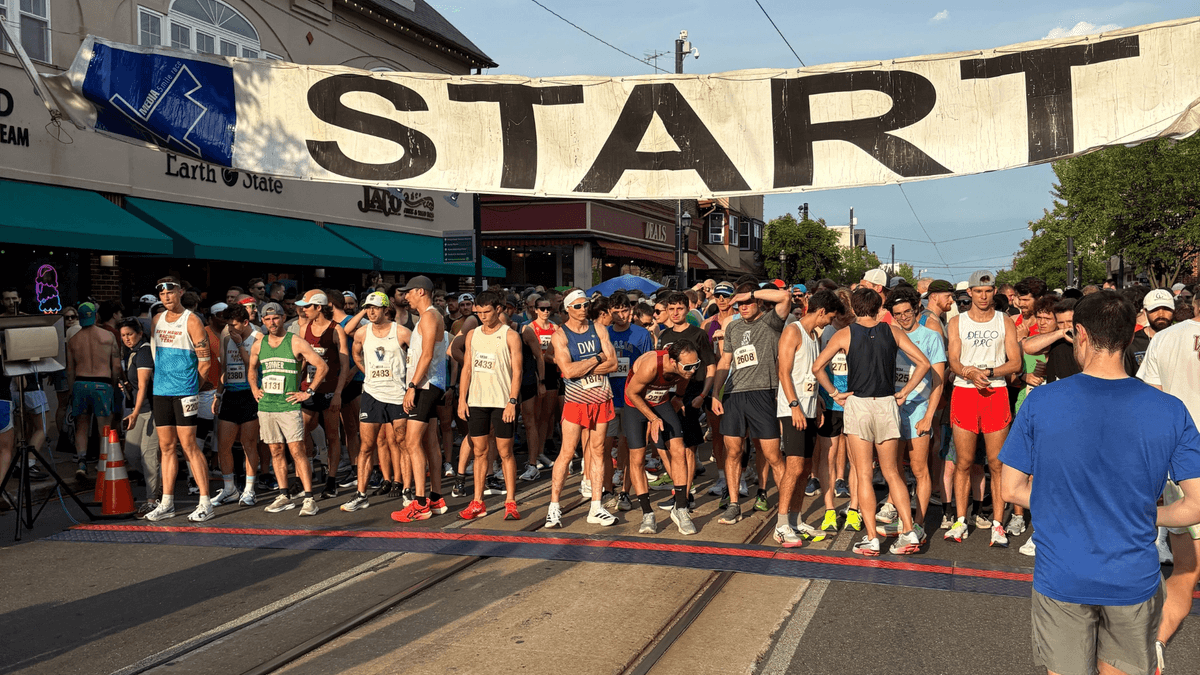
Most local 5Ks should be ready to announce awards around 45 minutes after the race starts.
That usually gives enough time for:
Larger races or multi-distance events may need longer depending on course distance and if runners started in heats.
Fast results matter—but they need to be right.
Today’s participants expect:
Speed matters.
But incorrect results damage trust.
40–50 minutes after the start, which is often 10–30 minutes after the first finishers.
Usually 30–45 minutes after the start, depending how fast runners finish.
Often 60–90+ minutes, depending on course distance, heats and finish line festival.
Can take longer due to connectivity, terrain, and split timing logistics.
Key takeaway: Distance matters as much as participant count.
RFID chip timing, manual pull tabs, and app-based timing can affect speed and accuracy.
Manual systems can work for small fun runs. Competitive races usually benefit from professional systems with RFID technology. Many trail races and school fun runs have had success with DIY race timing methods when participant counts are less than 200-300 runners.
A 50 participant fun run requires a different system than a competitive 5,000 runner half marathon.
Regardless of size, results can still be available quickly when the process is clear, organized and efficient.
Clean registration data allows race day to run smoothly and make results available immediately.
Using google sheets or a registration platform not built for 5K races can create delays when there are walk-up registrations, duplicate names and messy data that require manual edits.
That is why choosing the best race registration platform for your race is important.
Award winners often need manual review by humans or video at the finish line —especially when prize money is involved.
DIY timing works well for:
Benefits include:
DIY timing often struggles when races have:
That is when reliable RFID timing systems matter. If you are comparing options, it helps to learn how to time a 5K race based on your size and budget.
Professional timing teams often manage:
A good timer brings more than hardware. They bring confidence.
Want Faster, More Accurate Race Results?
Download our free Race Planning Checklist and learn how experienced race directors streamline registration, timing, results, volunteers, and race-day operations.
Avoid common race-day mistakes and create a smoother experience for runners, volunteers, and
sponsors.
Run The Day helps races simplify timing and results with:
The goal is simple: fast results that are accurate.
Race directors looking for a complete solution often combine registration and timing instead of using separate tools.
Tell participants clearly:
Good communication prevents frustration—even when there is a small delay.
Many problems can be prevented with a better race planning checklist before event week begins.
Q1: How long does it take to get race results after a 5K?
Many local 5Ks post live results immediately and announce awards around 45 minutes after the start.
Q2: Why do race results sometimes take so long?
Usually because of data cleanup, missing reads, manual corrections, or poor timing systems.
Q3: What is the difference between unofficial and official race results?
Unofficial results are often made available immediately. Official results are reviewed before being finalized.
Q4: Can race results be published in real time during the event?
Yes. Modern chip timing systems often publish results live while runners are still finishing.
Q5: How should participants be notified when results are ready?
Text messages, emails, QR code signs, or just a link to a live results page.
Q6: How long do race directors have to correct results after publishing?
Corrections should happen as soon as issues are identified—ideally before awards.
Race results should be fast—but accurate.
For most local 5Ks, runners expect results immediately when runners are finishing so awards can be announced before runners get restless and start to leave.
The best events combine clean registration data, integrated mobile app for check-in reliable timing systems, and smooth race-day execution.
If you want fast results that runners trust, the work starts before registration opens and continues with strong race-day management systems.
Planning a Timed Race?
Run The Day helps race directors simplify registration, timing, and live results so runners get accurate results faster. Schedule a demo with us.