The Rundown Newsletter
View Results
Ian Campbell | July 1, 2026
Do It Yourself (DIY) race timing can look appealing.
Lower cost.
More control.
Fewer vendors to coordinate.
For many first-time race directors, it feels like a reasonable tradeoff—especially for school events, charity runs, or small community 5Ks. And to be fair, DIY timing sometimes works.
Other times, it creates race-day stress, inaccurate results, and unhappy runners.
This guide explains when DIY race timing makes sense — and when it becomes risky, so organizers can make informed decisions before race week, not when angry runners are screaming at the finish line.
👉 Not sure what timing options actually exist?
See the differences between DIY, assisted, and professional timing in our Timing a 5K guide for race directors.
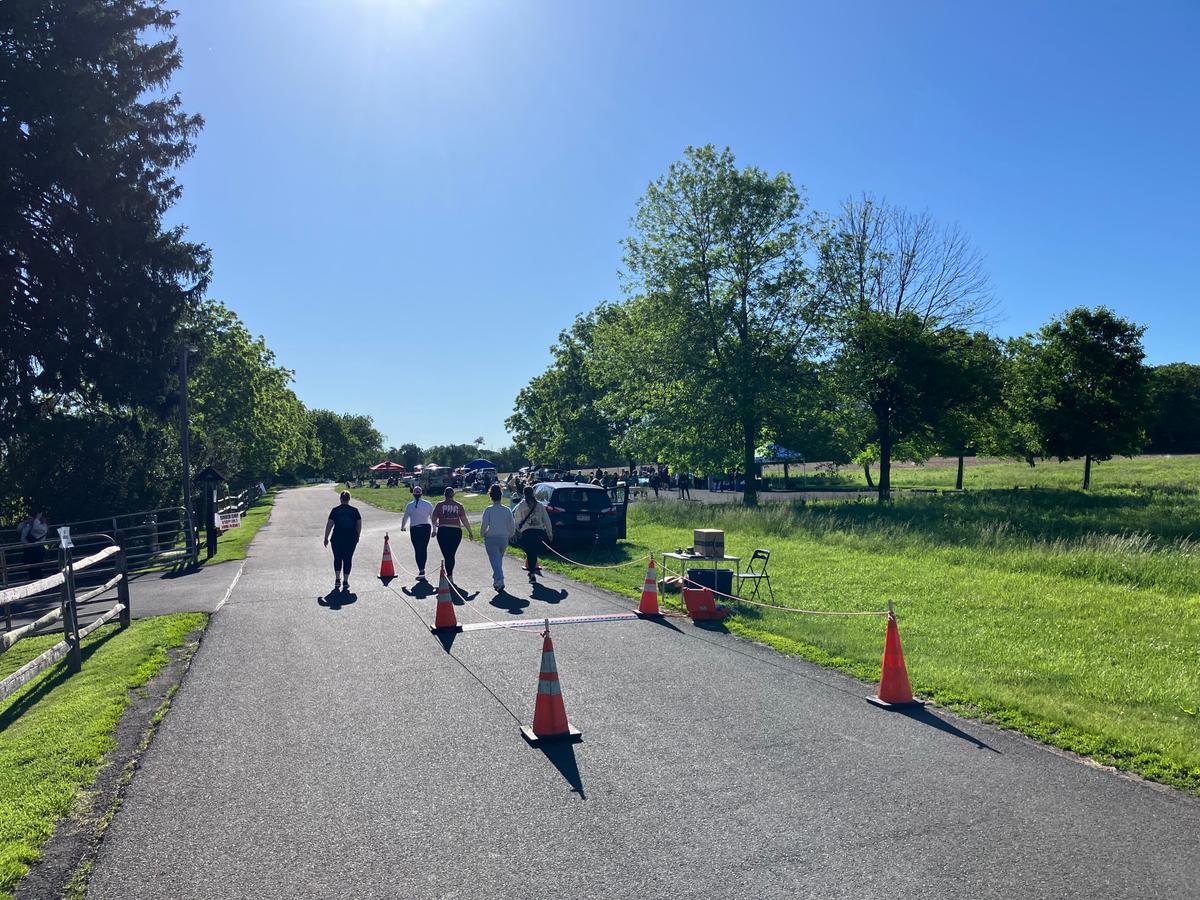
Yes, DIY race timing can work for small races with fewer than 100 participants, simple courses, and experienced volunteers. As races grow, finish-line congestion, awards, and timing accuracy become harder to manage, making professional timing a more reliable option.
One reason DIY timing is so confusing is that it means different things to different races.
When organizers say “DIY timing,” they might mean:
DIY timing isn’t one thing.
The reliability of results depends on which approach is used—and the race’s complexity.
If you're new to race timing, our guide on how chip timing works for 5Ks explains the technology behind professional timing systems.
| Feature | DIY Timing | Professional Timing |
| Best for | Small fun runs | Community races & large events |
| Accuracy | Moderate | High |
| Volunteers required | More | Fewer |
| Race-day stress | Higher | Lower |
| Timing backups | Usually limited | Multiple backups |
| Results speed | Can be delayed | Near real-time |
| Cost | Lower upfront | Higher upfront |
DIY timing can work when expectations and conditions are aligned.
Common scenarios where it’s reasonable:
In these cases, success usually comes from simplicity and rehearsal, not optimism. The fewer variables involved, the better DIY timing performs.
👉 Some formats are naturally simpler to time—see different types of 5K races and formats.
Even the simplest DIY setup comes with real operational needs.
Most races underestimate the importance of:
DIY timing doesn’t remove work.
It moves the work onto volunteers, which can save money but can often increase stress.
👉 Timing issues can hurt signups in future years—here are the main reasons why small races struggle with registration.
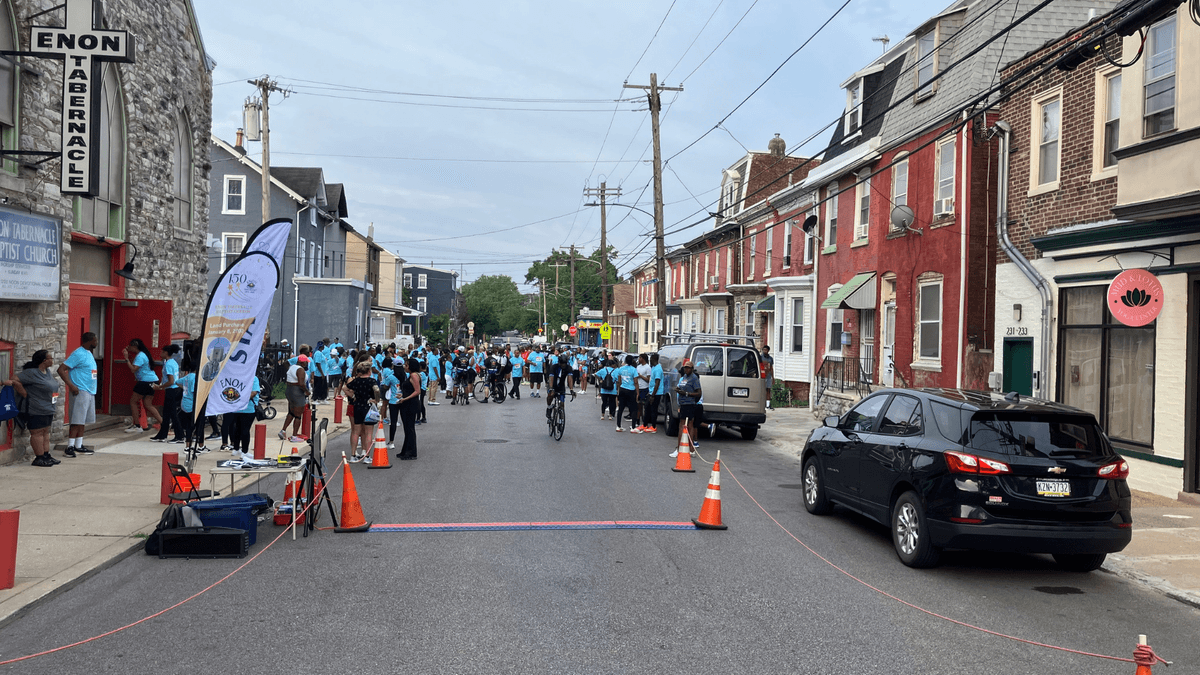
Most DIY timing failures happen when races grow beyond their original size as a small community gathering.
Common breaking points include:
👉 If cost is your main concern, learn how much does it costs to time a 5K race.
When things go wrong, they tend to look familiar:
These issues don’t always feel catastrophic at the moment. Sometimes they become problems later — after results are shared when awards are questioned.
The real cost of DIY timing isn’t just accuracy.
It often shows up as:
DIY timing saves money up front—but can cost more long-term if it undermines confidence in the event.
Timing is only one part of a successful race. Our free Race Planning Checklist helps race directors stay organized with registration, volunteers, sponsors, permits, timing, and race-day logistics—so nothing gets missed before race day.
The difference isn’t just equipment.
It’s structure.
DIY timing often means a single point of failure.
Professional chip timing often includes redundant backups.
DIY can require volunteers to improvised processes.
Professional chip timing uses tested workflows.
DIY timing spreads accountability across volunteers.
Professional chip timing assigns ownership to a professional with money on the line.
DIY timing outcomes can be less certain.
Professional timing typically generates predictable results.
This isn’t about better or worse—it’s about budget and risk tolerance.
Run The Day was built with small races in mind.
It supports:
The focus isn’t on replacing volunteers—it’s on reducing stress, confusion, and cleanup when your race outgrows a do it yourself timing system.
When race size, awards, or expectations increase beyond what volunteers can reliably manage.
Apps can work for small races, but struggle to accurately time events with thousands of runners that expect fast, accurate and reliable results.
For most races, issues start when a race exceeds 100 runners, depending on the distance.
Assuming race day will go exactly as planned.
Sometimes—but only when there are not too many runners.
DIY race timing isn't about whether it's good or bad—it's about whether it matches your event.
For small fun runs with simple logistics, DIY timing can be an affordable and practical solution. As your race grows, so do expectations around accuracy, live results, awards, and the overall runner experience.
Choosing the right timing approach helps you:
The best decision is the one that fits your race today while supporting its growth tomorrow.