The Rundown Newsletter
View Results
Ian Campbell | April 20, 2026
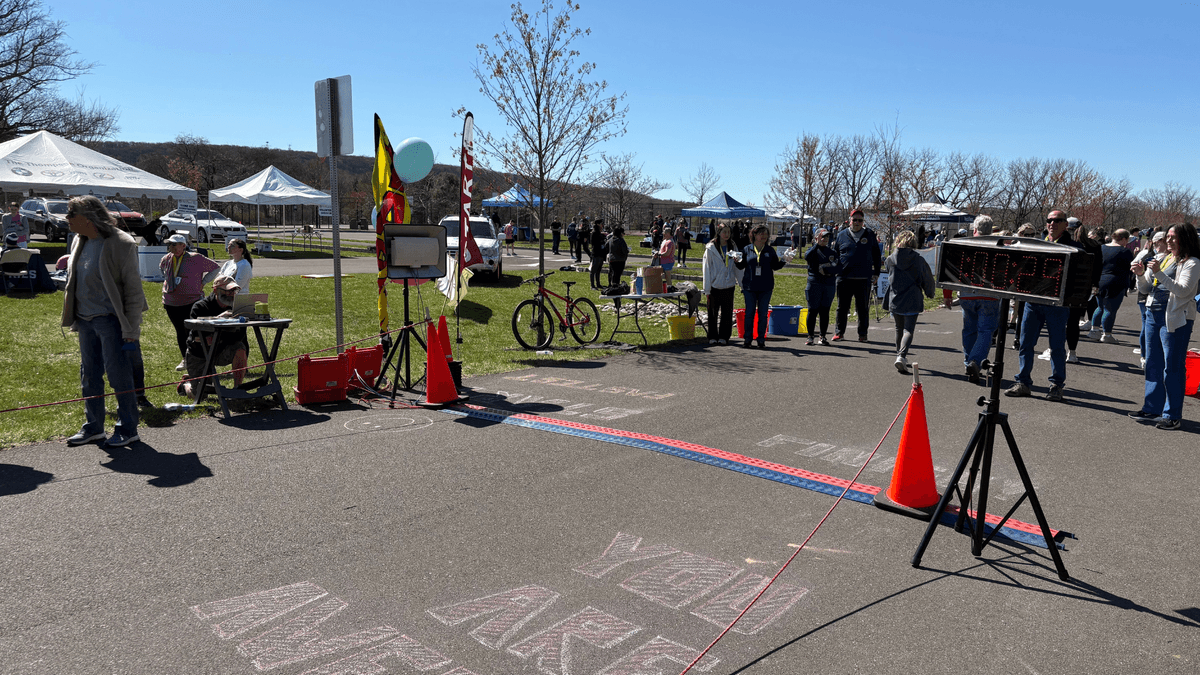
School and nonprofit races are often organized by volunteers, not professional event teams.
That means organizers are often balancing fundraising goals, event promotion, race day logistics and other life commitments (like family and full-time jobs) at the same time.
Most of the stress that organizers feel on race-comes from too many moving parts, unclear responsibilities, and systems that are more complicated than they need to be.
The good news: most of that stress is preventable.
With the right setup, school fun runs and nonprofit 5Ks can feel organized, efficient, and enjoyable for both participants and volunteers.
This guide explains how to simplify school fun run management so race day runs smoothly.
School and nonprofit races operate differently than large commercial events.
They are often:
Success is not always measured by finish times,elite competition or qualifying for the Boston Marathon.
Success often means:
With these success metrics, simplicity often matters more than perfection.
Many organizers assume a better race means a creative setup with complicated logistics.
Usually, the opposite is true.
Start by defining the real goal of the event:
Then choose a format that supports that goal:
Set a realistic timeline. For many events, 2–6 months of focused planning is enough.
If you are still building your schedule, use this 5K Race planning checklist to stay organized from registration launch through race day.
Keep logistics simple compared to large competitive races. Smaller events usually run better when there are fewer moving pieces that can create unnecessary confusion.
If budget is a concern, these race budget tips can help you avoid overspending.
Pro Tip: Overcomplicated races create pressure. Simple races allow everyone to focus on what matters — coming together as a community.
Many race-day issues start from registration.
If the registration form is confusing or slow, families delay registering or abandon the process. If participant data is not fully integrated with the race day check-in app and timing system, data may not transfer smoothly, which causes the bib assignment, shirt handout and awards ceremony to become chaotic.
Good school fun run management starts with a simple registration process.
That usually means collecting only the fields that you need:
If fundraising matters, include the ability to add donation options during registration.
Overcomplicated forms often reduce signups and create more data errors.
If you are starting a race from scratch, read How to Manage a 5K Race for a step-by-step guide.
Volunteers are often the force behind school and nonprofit races.
But many events don’t communicate clearly to volunteers, but still rely on them to know what to do on race day.
That creates confusion.
Assign clear roles before race morning:
Keep instructions simple.
A short one-page volunteer guide can proactively prevent dozens of questions.
Pro Tip: Only assign volunteers you trust to critical roles like registration, bib assignment and course marking.
Race volunteer management is not about having more people. It is about having the right people doing clear jobs.
The best-organized races often look simple and easy from an outsider’s perspective. That is because flows have thoughtfully been considered in advance.
Use signs instead of repeating instructions verbally.
Signs for:
Prepare backups:
Simple preparation removes race-morning stress.
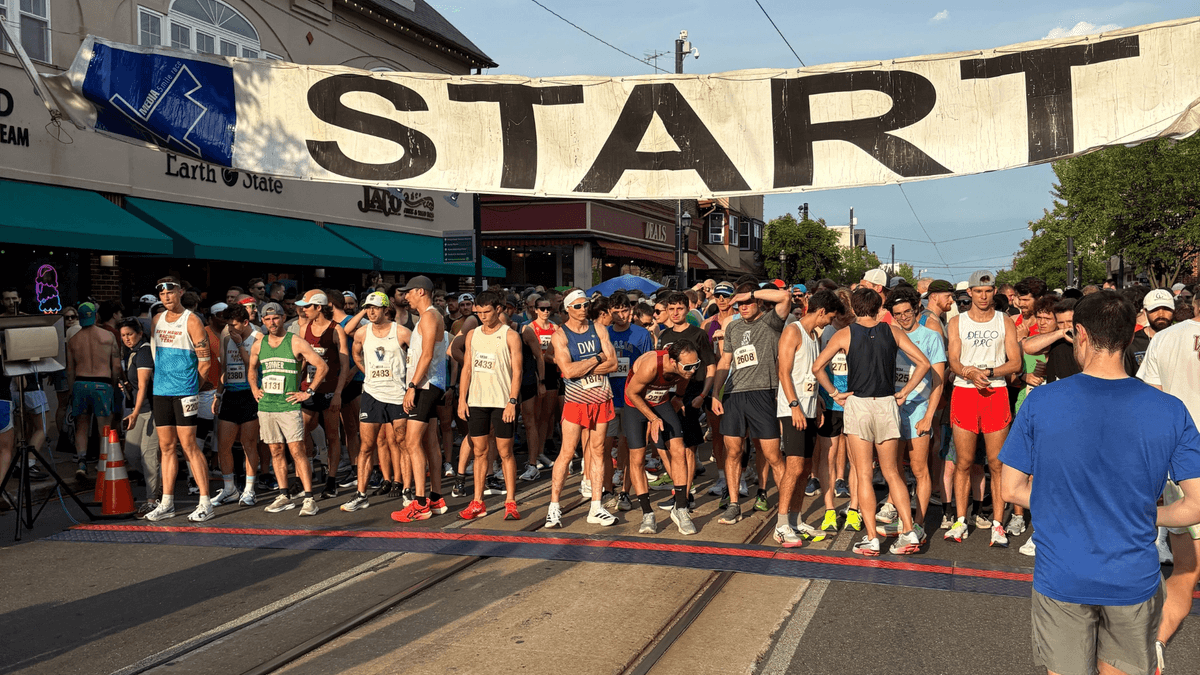
Not every school or nonprofit race needs the same professional chip timing that is used by big marathons.
Choose the timing system based on race size and purpose.
| Event Type | Recommended Timing |
| Small fun run under 150 participants | Manual timing, DIY timing or no timing |
| Community 5K with 100-400 runners | Basic chip timing |
| Competitive race with 400+ runners and awards | Professional timing services |
For many fun runs, participation matters more than precise results.
For competitive events, accuracy matters more than complexity.
Run The Day helps organizers choose race timing solutions that fit the needs of the event.
Fundraising works best when it feels simple and visible.
Options that work well include:
Example: fundraising teams, like classroom competitions often outperform individual-only fundraising tasks.
People give more when they understand the purpose.
Examples:
For more ideas, learn how Nonprofits can maximize fundraising with races.
Many organizers are busy with race planning and logistics, so forget about communication.
Participant confusion often comes from unclear messaging.
Before race day, send a ‘know before you go’ message’ with:
Use email, school newsletters, or simple text reminders.
After the race, send:
Quick follow-up builds trust and helps future turnout.
Fix: Fully-integrated check-in app, more volunteers, separate lines.
Fix: Assign backups and confirm attendance early.
Fix: Better signage and clearer pre-race communication emails.
Fix: Host a packet pickup before race day and simplify setup.
Fix: Collect shirt sizes during registration and manage quantities via an inventory tracker.
Most race-day issues are preventable with thoughtful preparation and clear communication.
Run The Day was built for community-focused races that need simple systems.
It helps organizers with:
The goal is not to add complexity.
It is to make race day easier to manage.
Q1: Do school fun runs need official race timing?
Not always. Many smaller fun runs work well with manual timing or no timing at all. Competitive races usually benefit from professional timing with RFID chips.
Q2: How early should schools or nonprofits start planning a race?
Most events should begin planning 2–6 months in advance.
Q3: What is the easiest way to register families for a school race?
Use a mobile-friendly online registration system with simple family or group signup options.
Q4: How many volunteers are usually needed for a school or nonprofit 5K?
Small races often need 15–30 volunteers, depending on participant count and course complexity.
Q5: What is the best way to collect donations during registration?
Offer donation add-ons during checkout and explain clearly what the funds support.
Stress-free races do not come from working harder. They come from simple systems, clear roles, and constant communication.
When school and nonprofit organizers reduce complexity, race day becomes easier for everyone including families, volunteers, and participants.
Planning a school or nonprofit race? Run The Day helps simplify registration, fundraising, and race-day operations for volunteer-led events.