The Rundown Newsletter
View Results
Ian Campbell | March 30, 2026
Run The Day and Let’s Do This both support races, but were built for different types of races that are different sizes and have different staffing, promotional, operational and software needs.
This blog was written to clarify the different types of race that each piece of software was built for.
Let’s Do This is a UK-based platform designed to help runners discover and register for endurance events. It focuses heavily on large-scale races, offering a marketplace where participants can browse events similar to booking travel or experiences.
Its core focus is:
While Let’s Do This works well for large endurance events, it may not be ideal for smaller, community-based 5Ks. These races often need simple tools for registration, check-in, and race-day execution rather than marketplace exposure.
The platform is structured around the idea that runners browse, compare, and register for events in the same way they might book travel or experiences.
As a result, Let’s Do This emphasizes:
This model works well for:
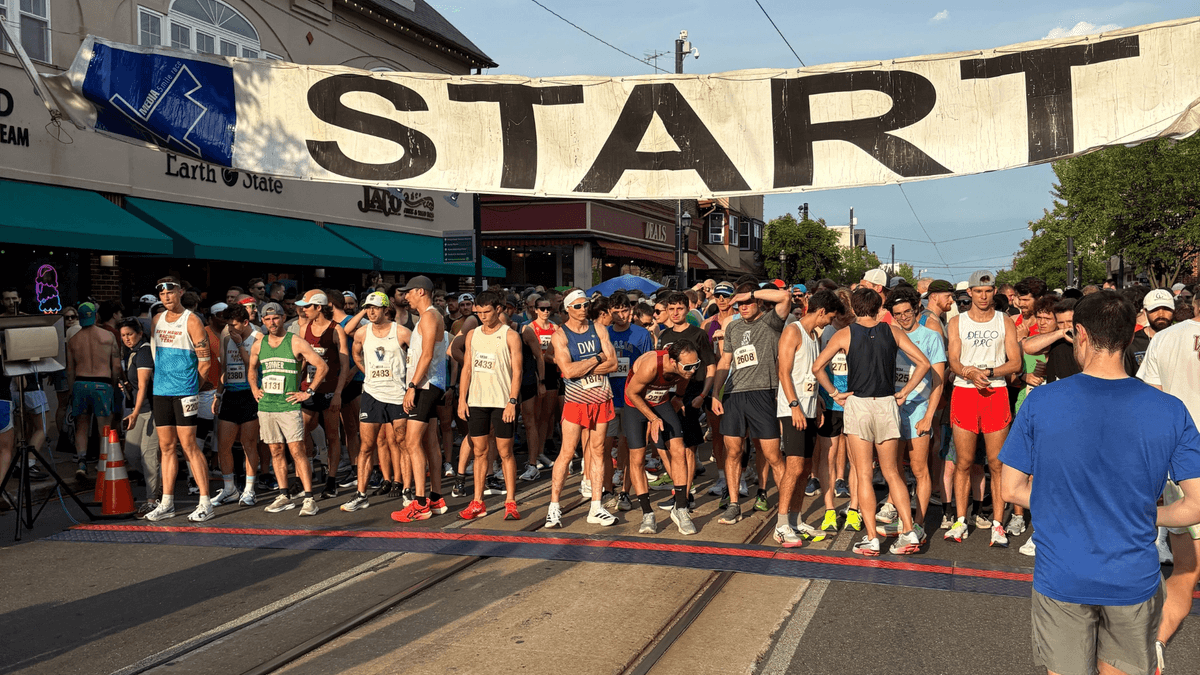
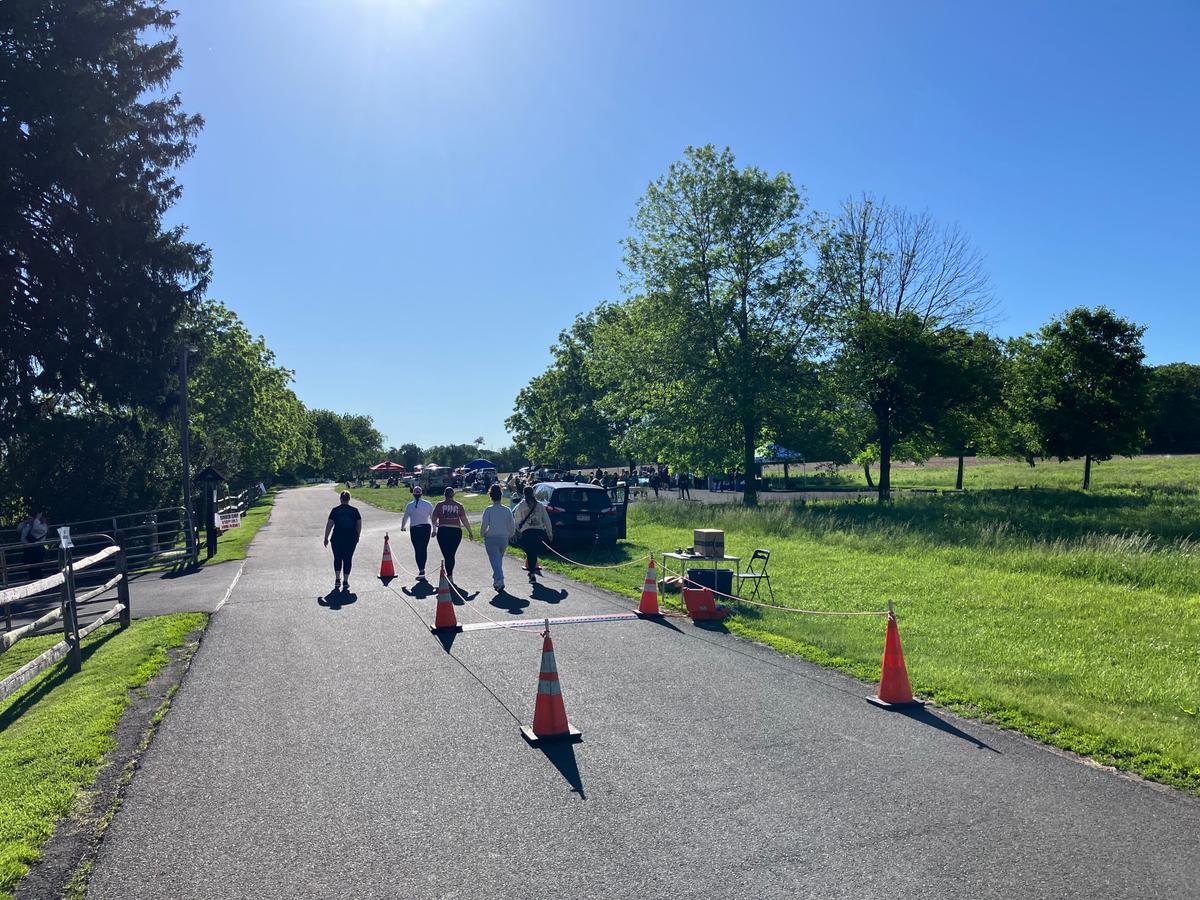
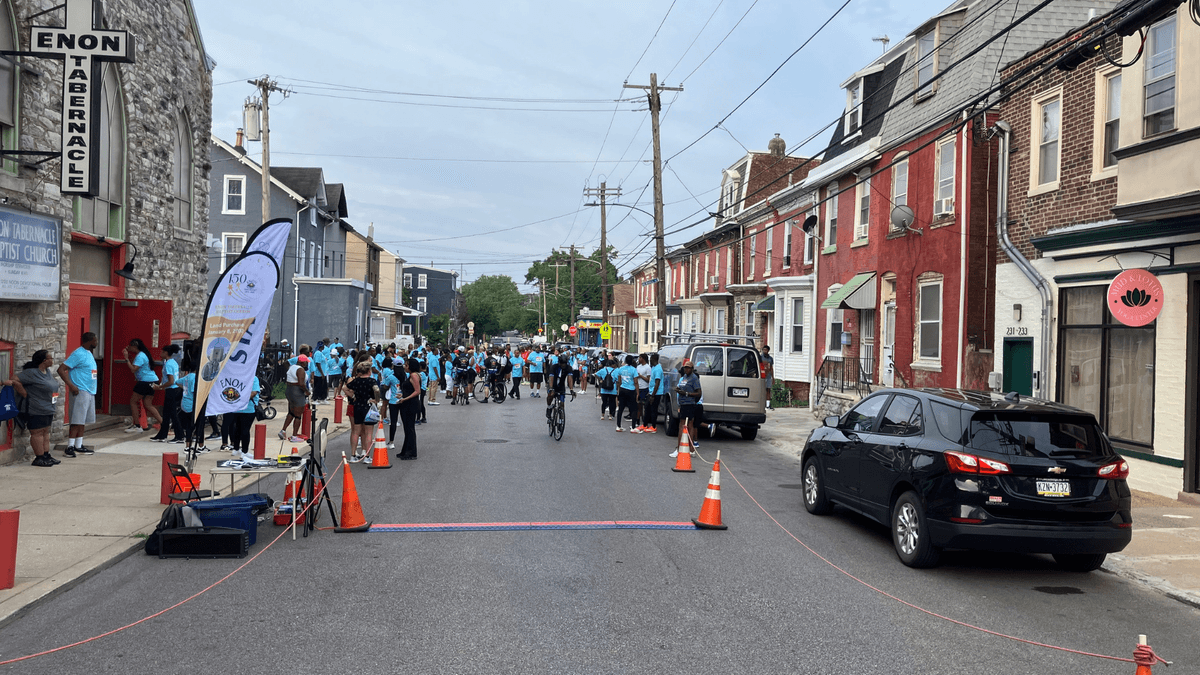
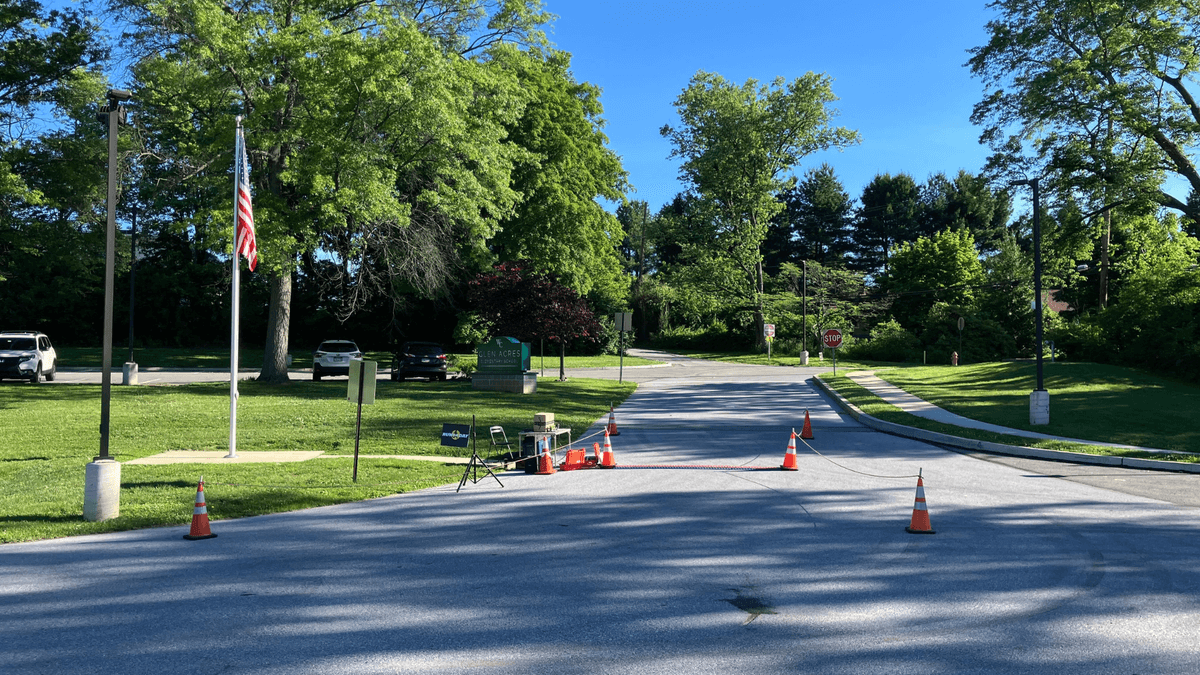
Run The Day was built specifically for local 5K races and community events—most of them with fewer than 5,000 runners.
These races are typically:
Run The Day focuses on:
The platform is designed to reduce:
Small races need reliable tools for timing and results. If you're unsure what setup to use, here’s a complete guide on how to time a 5K race.
Let’s Do This is feature-rich by design.
That complexity supports large events with specialized staff handling marketing, registration, logistics, and operations as separate roles.
Small and mid-sized 5Ks operate differently.
In many local races:
In those cases, additional layers of configuration don’t add value.
They increase the chance of mistakes.
Run The Day intentionally limits complexity to support:
A key difference between the two platforms is where they focus.
Choosing the right setup depends on your event size. Learn more about different race timing solutions available for 5Ks.
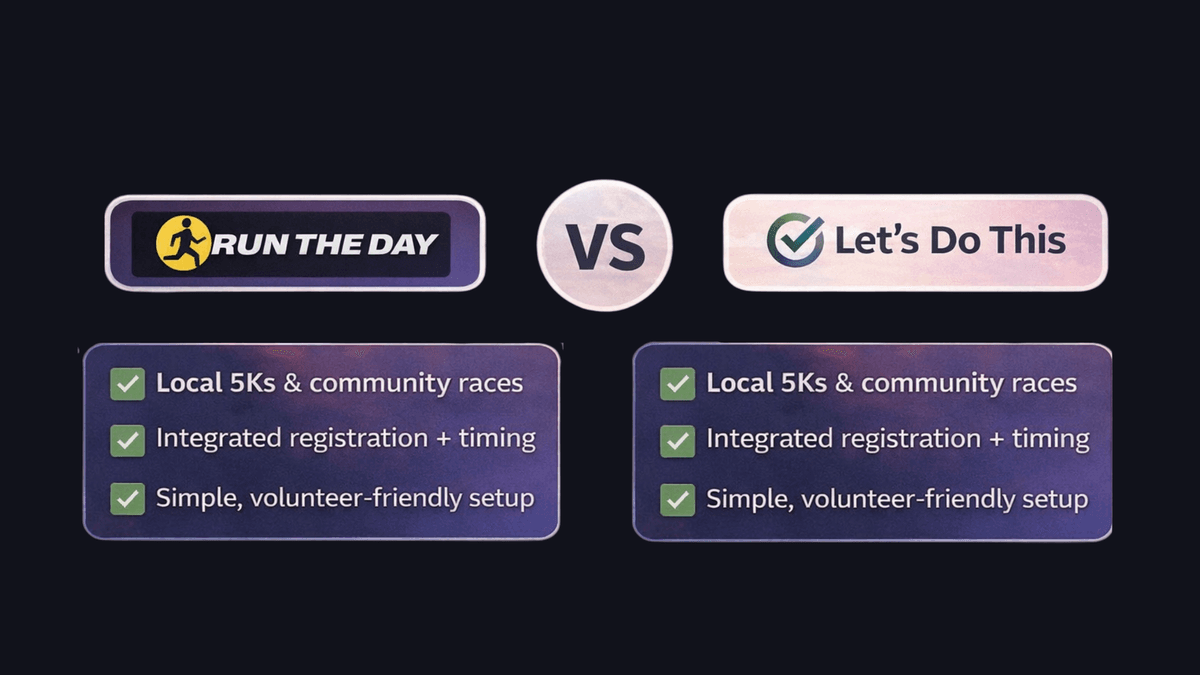
| Aspect | Run The Day | Let’s Do This |
| Primary Market | USA-focused | UK-based |
| Core Focus | Local races (5Ks, charity runs, triathlons) | Large endurance events & marketplace |
| Typical Event Size | Community races under 5,000 runners | Large marathons and endurance events (30,000+ runners) |
| Core Strength | Integrated registration + timing + check-in | Event discovery and global portfolio reach |
| Platform Style | Simple, practical, organizer-first | Feature-rich, complex |
| Best For | Race directors running community events | Race companies that own multiple massive global races |
| Setup & Learning Curve | Easy to get started | Steep learning curve |
| Tools Emphasis | Registration, timing, race-day operations | Event discovery, listings, brand exposure |
Let’s Do This is a strong fit for:
Run The Day is a strong fit for:
The mistake is assuming one platform should work equally well for both.
Run The Day was built around a simple idea:
Small races need 5k race registration software that matches their reality.
That means:
The goal isn’t to build the largest marketplace.
It’s to make race morning seamless.
Let’s Do This is building a global endurance ecosystem.
Run The Day is focused on delivering smooth race days to local communities figuring out how to host a 5K, from registration setup to race-day execution.
If you’re organizing a major marathon with tens of thousands of runners, Let’s Do This is a powerful platform.
If you’re running a volunteer-led 5K with 400 runners, simplicity usually wins.
Because at the end of the day, runners don’t remember the size of your race software company’s latest funding round.
They remember how they felt on race day. When check-in runs smoothly, results are accurate and runners leave feeling energized, they are more likely to come back next year.
Q1: What is Let’s Do This used for?
A: Let’s Do This is a marketplace platform where runners can discover and register for endurance events like marathons, triathlons, and ultra races.
Q2: Is Let’s Do This good for small 5K races?
A: It depends. While it offers strong marketing reach, smaller 5Ks often need simpler tools focused on race-day execution rather than discovery.
Q3: What makes Run The Day different?
A: Run The Day focuses on local races by combining registration, timing, and check-in into one simple system designed for race directors and volunteers.
Q4: Which platform is better for community races?
A: For most community 5Ks, platforms like Run The Day are better suited because they prioritize ease of use and race-day reliability.