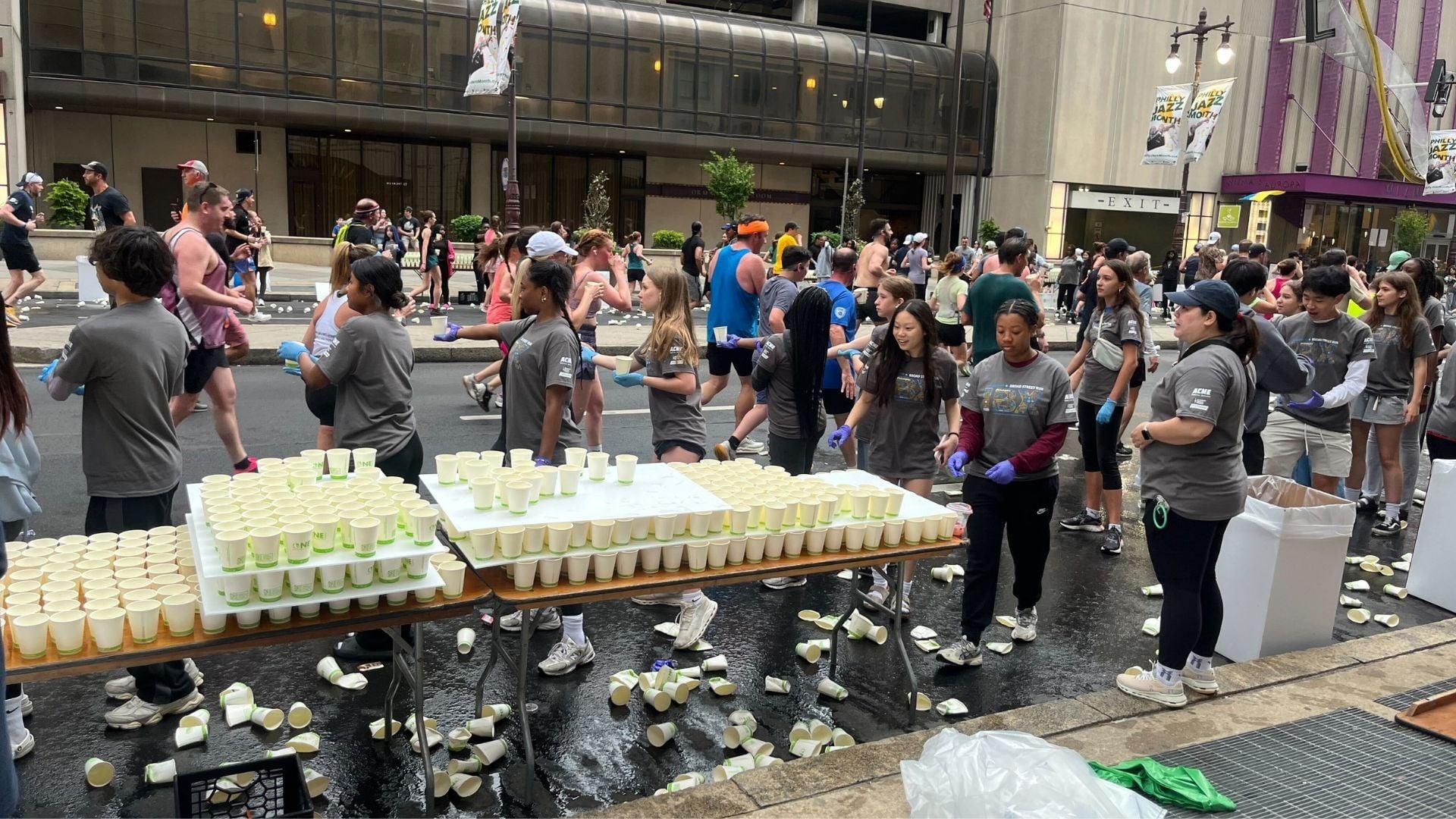
How to Recruit and Train Race Volunteers for a Successful Event
Ian Campbell | May 5, 2025
Whether you're hosting a charity 5K, school fun run, or a 1,000-runner half marathon, one truth remains: volunteers can make or break your race.
From bib check-in to water stations and finish-line support, volunteers are the helping hands that keep everything moving. But to create a flawless race day, volunteers need proper guidance, clear communication, and a platform that keeps everyone on the same page.
This guide walks you through the practical steps to recruit, train, and reward volunteers. A race platform like Run The Day makes the process easier by allowing you to manage volunteer signups, communication and shirt sizes all in the same place.
Why Volunteers Make or Break Your Race
Volunteers aren't just extra hands — they're required for most races. When properly trained and appreciated, they:
- Set up and tear down the course
- Distribute bibs and race packets
- Staff water and medical stations
- Manage check-in and direct parking
- Keep runner morale high with cheers and smiles
However, behind every reliable volunteer team is an organized 5k race. Here's how to build it.
Step 1: Recruit Volunteers Early
Start outreach at least 6–8 weeks before race day. The earlier you build your team, the more time you’ll have to place people in suitable roles.
Where to find volunteers:
- PTOs and school communities
- Nonprofits and youth service clubs
- Local running clubs and gyms
- High school/college students needing service hours
- Family, friends, and co-workers
Run The Day’s online volunteer registration allows you to list roles, collect availability, and avoid a last-minute scramble.
Step 2: Match Roles to People (Don't Just "Plug Them In")
Volunteers will be more engaged if you assign tasks matching their comfort level or interest.
| Role | Best For |
| Course Marshals | Outgoing people who like to cheer |
| Check-In Desk | Detail-oriented and friendly folks |
| Water Stations | Groups or clubs—great for teamwork |
| Floater/Runner | Flexible individuals who can help anywhere needed |
Ask simple questions when volunteers sign up:
• Are you comfortable standing or walking?
• Do you prefer a quiet or social role?
• Are you available early or later in the day?
Tip: Happy volunteers = better energy. Placing people in the proper role boosts morale and performance. And once placed, it becomes easier to successfully train volunteers for an event.
Step 3: Communicate Often and Clearly
The #1 frustration volunteers mention? Lack of clear communication.
Here's how to fix that:
Pre-Race Planning:
- 1st Email (3 weeks out): Confirm their shift, give basic role overview
- 2nd Email (1 week out): Share parking info, check-in location, dress code, weather forecast
- Final Email (2 days before): Include detailed instructions, emergency contacts, and race day map
Use a Volunteer Hub
Platforms like Run The Day offer a centralized volunteer dashboard where:
- Volunteers can sign up for roles
- You can send email updates to volunteers
- Volunteers can select shirt sizes
Keep the tone friendly, casual, and clear. Volunteers are doing you a favor—treat them like VIPs.
For more on running day-of operations and volunteer coordination in context, see our piece on how to manage a 5K race which includes suggested shift times and day-of leadership structure.
Step 4: Make Volunteer Training Easy and Engaging
Training doesn’t have to mean a long meeting. Think short, visual, and role-specific.
What to Include in Volunteer Training:
- Event overview and mission ("Why we're doing this race")
- Role-specific duties (use printed cheat sheets or visuals)
- Safety and emergency protocols
- How to use check-in tools to assign bibs
- What to do if a runner needs help
Use Visuals or Live Demos:
- Walk through bib check-in on a phone
- Role-play handing out water or giving directions
Tip: Record a short "Welcome Volunteers" video to send by Email; it's a low-effort way to cover basics and effectively train volunteers for an event.
Planning a Race and Need Help Staying Organized?
Download our free Race Planning Checklist and get a step-by-step guide covering registration, timing, volunteers, sponsors, promotion, and race-day logistics—so you can recruit, train, and manage volunteers with confidence.
Step 5: Set Up a Volunteer Check-In Zone
On race day, volunteers should feel welcomed, not confused.
Create a simple check-in area where:
- Volunteers can grab a t-shirt, a safety vest, and a name badge
- You assign any last-minute shifts
- There's coffee, snacks, and a quick "thank you!"
Mark the spot with clear signage. A cheerful greeter or leader at the volunteer desk sets a positive tone.
Step 6: Show Appreciation (Before, During, and After!)
Gratitude goes a long way. Volunteers may not be paid, but feeling valued keeps them coming back.
Pre-Race:
- Mention them in pre-race emails or social media
- Offer free race t-shirts or swag
During the Race:
- Have water/snacks at volunteer stations
- Assign someone to float and check in on volunteers
- Keep the energy high with music or shoutouts
After the Race:
- Include event images in a thank-you email
- Offer a discount or free entry to your next race
- Post a thank-you graphic on social media
Tip: Use a quick Google Form to ask volunteers for feedback after the race. This will demonstrate that you care about the volunteer experience while helping you to become a better race volunteer leader in the future.
Common Mistakes to Avoid
Well-meaning race organizers make these errors:
- Waiting too long to recruit volunteers.
- Providing vague instructions.
- Not adjusting plans when things change.
- Skipping volunteer appreciation.
Run The Day Tools That Help You Manage Volunteers
Whether you're organizing a 100 person school 5K or a professional 10K with 4,000+ runners, Run The Day gives you volunteer management tools to succeed:
- Online sign-up and shift selection
- Role assignments
- Automated email confirmations
- Volunteer exports for future races
Plus, our real human support ensures you're never figuring things out alone.
Looking to make your race day experience as smooth as possible?
A well-trained, motivated volunteer crew transforms your event from average to exceptional.
With Run The Day, you don’t just get registration technology combined with a timing team — you get a complete race partner.
If you’re still planning the broader event and need the full checklist to align volunteers with timelines and vendors, check out the 5k race Planning checklist.
➡️ Planning your next 5K and not sure where to start? Let’s make your race stress-free. Book a quick call and we’ll walk you through what’s worked for hundreds of race directors.