The Rundown Newsletter
View Results
Ian Campbell | October 14, 2026
When race directors start evaluating registration platforms, one of the names that comes up is Stack Endurance.
Stack Endurance sits under Stack Sports, a large youth sports technology company that owns multiple endurance-event platforms, including RaceWire and GetMeRegistered.com. Over time, those platforms have been consolidated under the Stack Endurance brand.
This post explains the differences between Stack Endurance and Run The Day, and how those differences impact 5K races with fewer than 5,000 runners.
Stack Endurance is designed as part of a larger sports technology ecosystem.
Through acquisitions like RaceWire (December 22, 2016)) and GetMeRegistered.com (July 16, 2018), these platforms now sit under the Stack Endurance brand, which serves as Stack Sports’ endurance registration and timing solution.
The system is built to support:
This approach makes sense for races with large teams, dedicated full-time staff, and multi-year planning cycles. For races with 40,000 participants, that approach makes sense.
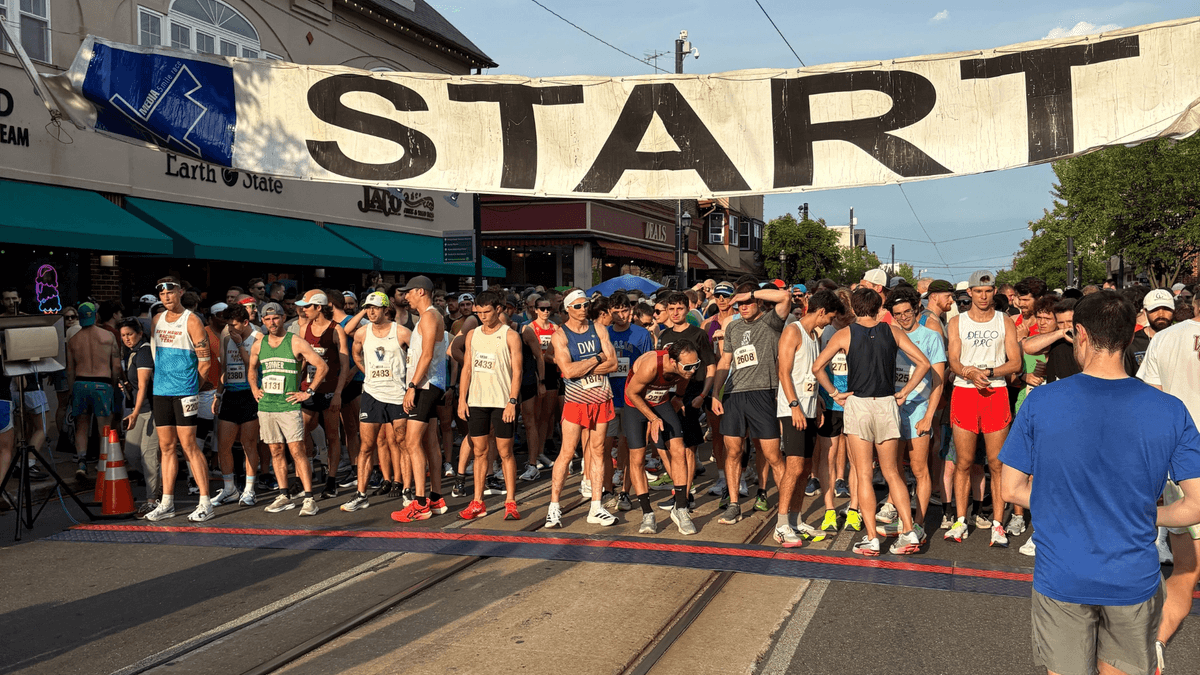
Most 5K races are not large endurance events.
They are typically:
For these races, the most common challenges aren’t missing features—they’re too many steps, too many settings, and too much complexity for simple tasks that just need to get done.
Platforms built for large endurance events often:
For a volunteer race director, “powerful” can quickly become “overwhelming.”
Run The Day was built for 5K races and community events.
It wasn’t designed for mega-events with 40,000 runners.
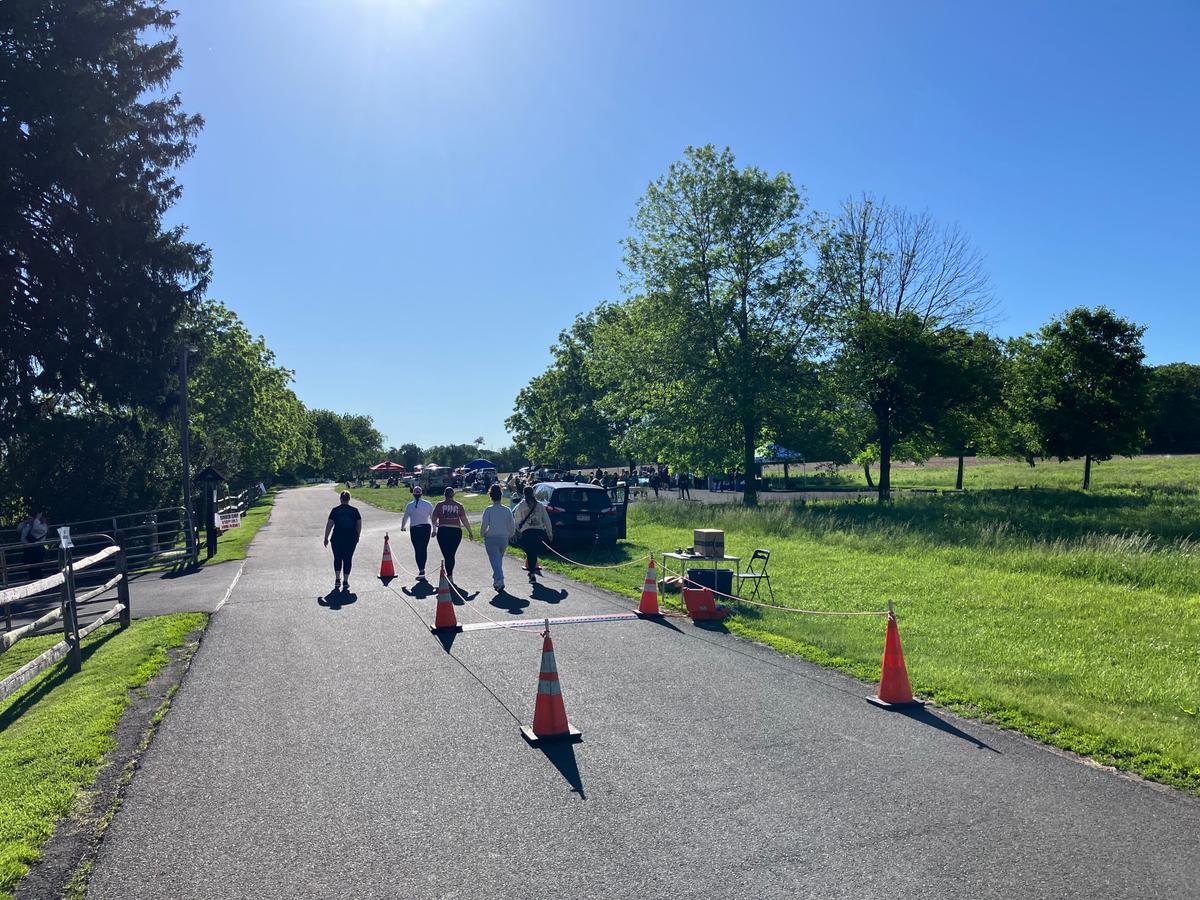
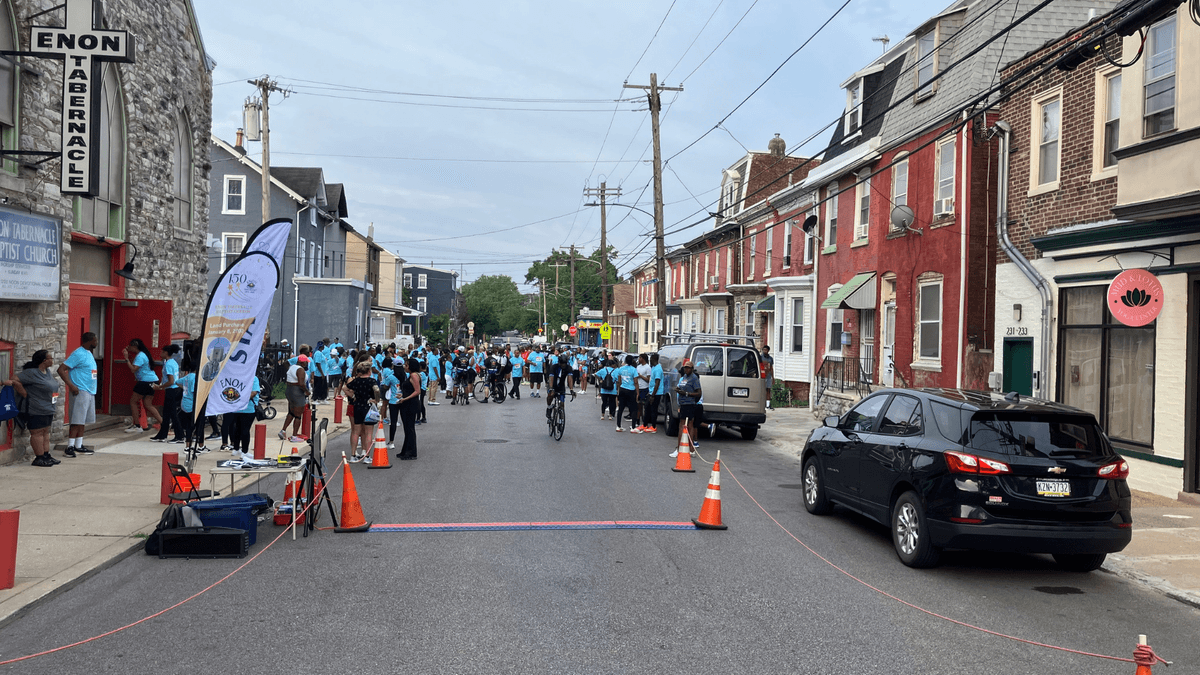
It was designed for real race mornings with fewer than 5,000 runners.
The platform is shaped by over 20 years of hands-on race-day experience, working directly with small and mid-sized races where:
Run The Day is built around a simple idea:
reduce work, prevent stress, and eliminate race-day problems.
The platform focuses on:
Instead of trying to support every endurance scenario, Run The Day prioritizes:
The goal is to create smooth race mornings for lean teams.
| Area | Run The Day | Stack Endurance |
| Core Audience | Small & mid-size 5K races | Large endurance events |
| Typical Race Size | 100-5,000 runners | 10,000 to 50,000 |
| Setup Complexity | Simple, volunteer-friendly | Enterprise-level |
| Registration → Timing Flow | Fully integrated | Multi-system workflows |
| Race-Day Changes | Built for last-minute updates | Structured, process-heavy |
| Best Fit | Community races, nonprofits, schools | Large professional events |
There isn’t a universal answer.
Stack Endurance makes sense if your race:
Run The Day is a better fit if your race:
The right platform depends on the race.
Stack Endurance and Run The Day are built for different types of races.
Stack Endurance is built for massive endurance events.
Run The Day is built for host 5K races that want a smooth and manageable experience.
For volunteer-run 5Ks, software that reduces decisions, steps, and stress usually matters more than software that can handle every possible scenario.
The best platform is the one that fits your race operations.
👉 If you’re organizing a 5K and want to see how registration and timing can work together without added complexity, you can schedule a short demo with Run The Day to see how the platform supports small races.