The Rundown Newsletter
View Results
Ian Campbell | June 30, 2026
Eventbrite’s acquisition by Bending Spoons for roughly $500 million made headlines across the tech and events world. For many race directors, Eventbrite is a familiar brand that is widely recognized by participants.
But acquisitions like this usually signal strategic shifts, not just a change in ownership.
For 5K races, charity runs, and volunteer-led events, strategic shifts can change more than organizers might expect. This blog is not meant to create panic or make a prediction, it's simply about awareness.
Understanding platform ownership changes can help local race directors make better long-term decisions that help their events succeed.
In late 2025, Eventbrite announced it was being acquired by Bending Spoons, a European technology company known for acquiring established platforms and focusing heavily on operational efficiency and product consolidation.
The headline details are straightforward:
This doesn’t mean Eventbrite will suddenly stop working or disappear. But it does suggest that product priorities, pricing, and support models may evolve over time — which is normal after an acquisition.
For race organizers, the key takeaway isn’t fear. It’s simply staying informed.
When event platforms change ownership, organizers often see changes in a few predictable areas:
For Eventbrite, 5K races, charity runs and community events represent a relatively small slice of overall revenue compared to concerts, festivals, and large ticketed experiences. That doesn’t make them unimportant but it does mean that they likely will not be the primary customer avatar that Bending Spoons focuses on serving.
A 5K race is not a concert, conference, or workshop.
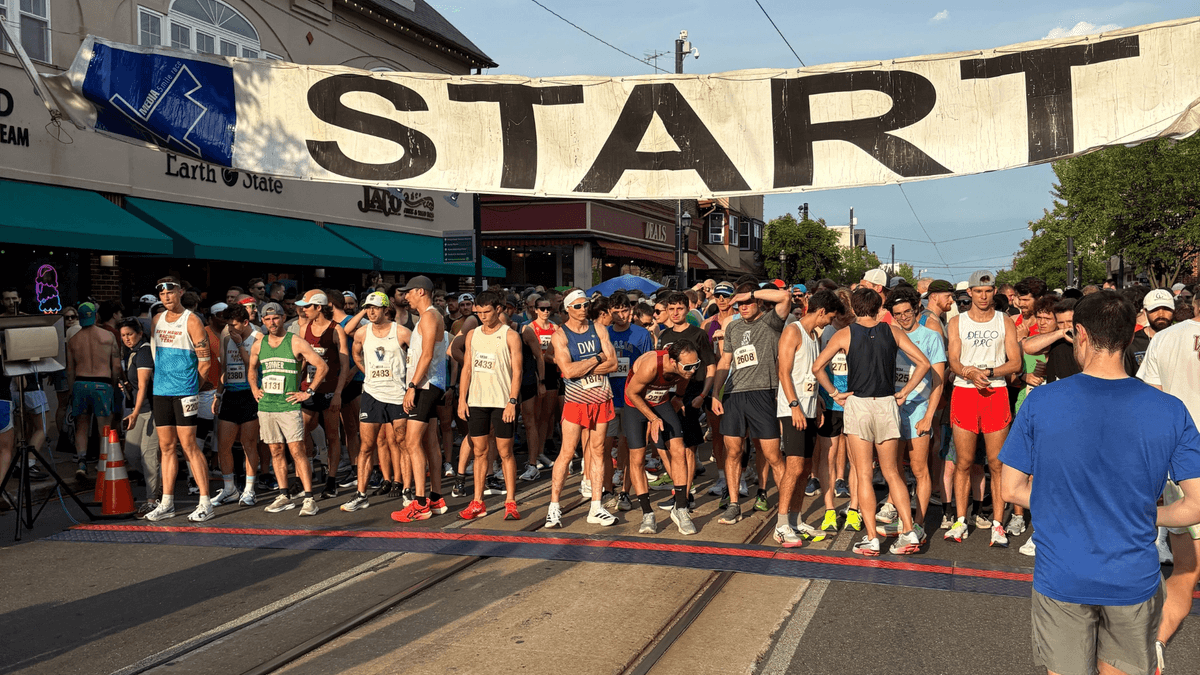
Race organizers deal with complexities that ticketing platforms were never designed to handle, such as:
Eventbrite works to collect money, but it adds stress, especially on race morning.
👉 For a full breakdown of race operations, see Organize a 5k race.
After Eventbrite’s acquisition, race organizers using the platform should pay attention to:
None of these changes will happen overnight. But proactively tracking the company’s decisions will allow race directors to avoid scrambling to find a new registration platform during busy race planning.
Plan Your 5K with Confidence
Download our step-by-step checklist designed for community races and first-time organizers. It covers race budgets, permits, timing, volunteers, and promotion—everything you need to ensure a seamless race day.
Race-specific platforms exist because races have unique operational and logistic needs.
They’re built for:
For community events, stability and clarity matter more than trend-driven product changes. The goal isn’t innovation for the sake of innovation— it’s smooth registration, accurate timing, and a stress-free race day.
Run The Day has supported races for 20+ years—long before AI technology conglomerates made headlines by acquiring event software companies.
The platform is intentionally focused on:
The platform is built specifically for race workflows, combining:
Run The Day is built for races, not concerts, expos, or ticketed shows. The software’s laser focus allows race directors to spend less time learning and troubleshooting technology and more time running successful events.
Acquisitions don’t automatically mean bad outcomes. Many platforms improve after ownership changes.
But it is a reminder for race directors to step back and ask:
For organizers comparing general ticketing platforms with race-specific tools, this breakdown offers a clear perspective:
Run The Day vs Eventbrite for 5K runs
5K races that bring the community together deserve software aligned with their reality — not just an engine to generate profits for an Italian technology conglomerate.
👉 If you’re re-evaluating your race technology stack, Run The Day is happy to show how race-specific tools simplify registration, timing, and race-day logistics.
Schedule a demo to experience simple software built for 5K races.