The Rundown Newsletter
View Results
Ian Campbell | June 23, 2026
Memorial races are more than just events—they’re a way to remember and celebrate the lives of loved ones while raising funds or awareness for causes close to their hearts. A well-planned memorial race can bring communities together, offer comfort to grieving families, and create lasting legacies.
Whether you’re organizing a 5K race, hosting a fun run, or planning a walk for remembrance, this guide will help you cover every detail so the event honors your loved one in a meaningful way.
Running brings people together. It creates space to grieve, remember, and celebrate in motion.
A memorial run isn’t just an event; it’s a living tribute. It gives families and friends a chance to honor loved ones through running while doing good in their name, like raising money for a cause, supporting research, or funding a scholarship.
Plus, these events can continue year after year, creating a lasting legacy that grows over time.
Start with the “why.” Your reason will guide the decision you make during memorial race planning.
Ask yourself:
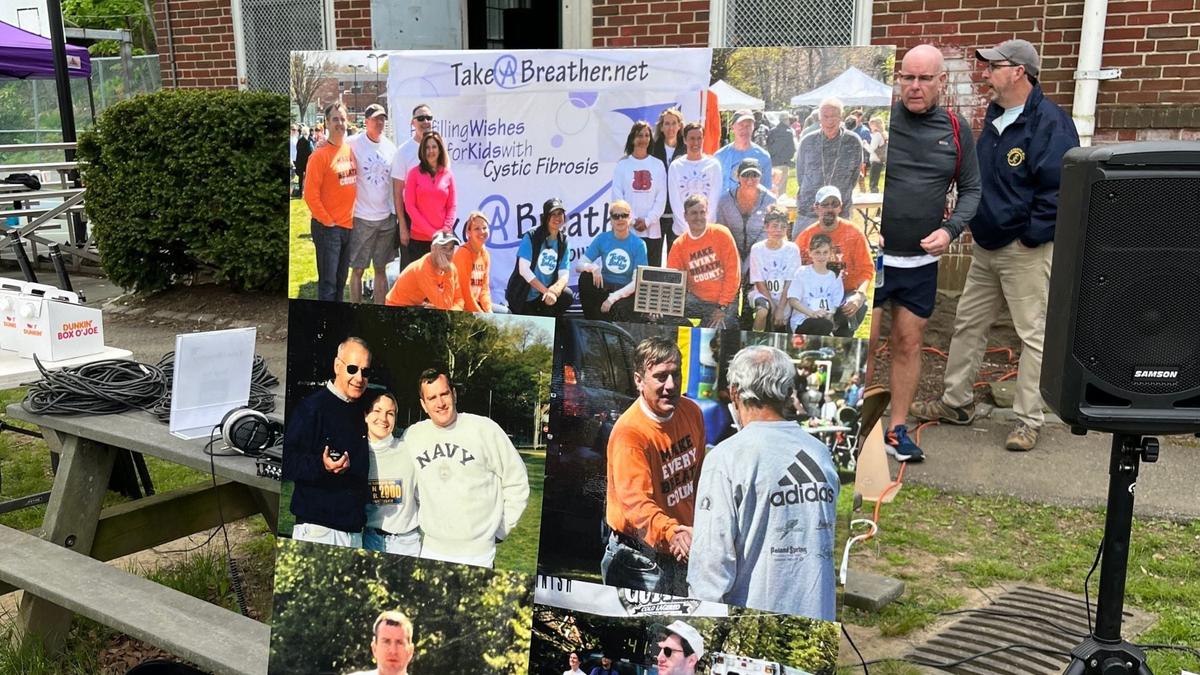
Once your purpose is clear, your story becomes your strongest marketing tool. Share it on your race page. Include photos, memories, and why this memorial run is about something bigger than running.
Most memorial race planning starts with selecting a meaningful date, such as a birthday, anniversary, or favorite season.
If you’re unsure which format to choose, exploring the Types of 5Ks can help you find an option that fits your community’s needs and participation goals.
Next, pick your format:
You don’t need a huge budget for a meaningful memorial run.
Here’s what to factor in:
Essentials:
Ways to Save:
➡️ Need help? Get a race timing quote from Run The Day for full-service or self-serve timing setups. Packages start at $499 per event.
Download our free Race Planning Checklist and get a step-by-step guide covering permits, registration, timing, volunteers, sponsors, fundraising, and race-day logistics—so you can focus on creating a meaningful event that honors your loved one.
Using a race management platform can reduce stress for organizers and volunteers while ensuring a smooth race-day experience. For smaller community races, race timing solutions for local events make it easy to combine registration, bib assignment, timing, and live results in one system.
Try these tribute run ideas:
You don’t have to do it alone. In fact, memorial run events are strongest when the whole community shows up to support.
Offer things like:
Now it’s time to bring your memorial run to life.
Here’s your must-do list for race day:
After the event, take a breath and reflect.
Here’s how to wrap up well:
If you’re looking for fresh ideas next time, read our post on Theme Ideas for Charity Runs.
Real-Life Example: “The Dragon Run”
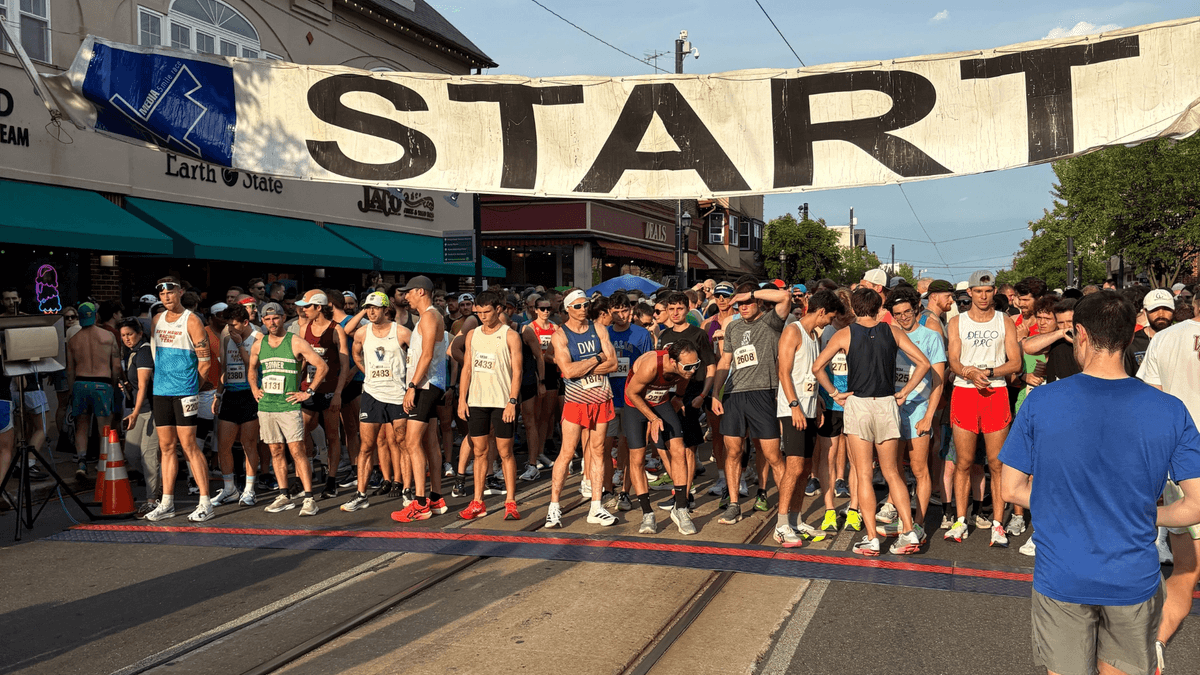
The Dragon Run was created to honor a cherished local figure and rally the community around a meaningful cause. From its very first year, Run The Day has partnered with the organizers to bring this event to life, offering race timing, registration, and event-day support.
What started as a tribute quickly grew into a beloved tradition. Today, the Dragon Run draws nearly 1,000 participants yearly, with families, friends, and runners coming together to celebrate life and give back.
Organizers use Run The Day to:
The result? A profoundly moving event that brings people together year after year and keeps the memory alive in a powerful, active way.
You’re not just organizing a race, you’re creating a legacy. Whether your event is small or large, local or virtual, what matters most is the love behind it.
Remember:
✅ Keep your “why” front and center
✅ Involve your community
✅ Use tribute touches to make it personal
✅ Leverage Run The Day to simplify the process