The Rundown Newsletter
View Results
Ian Campbell | August 12, 2026
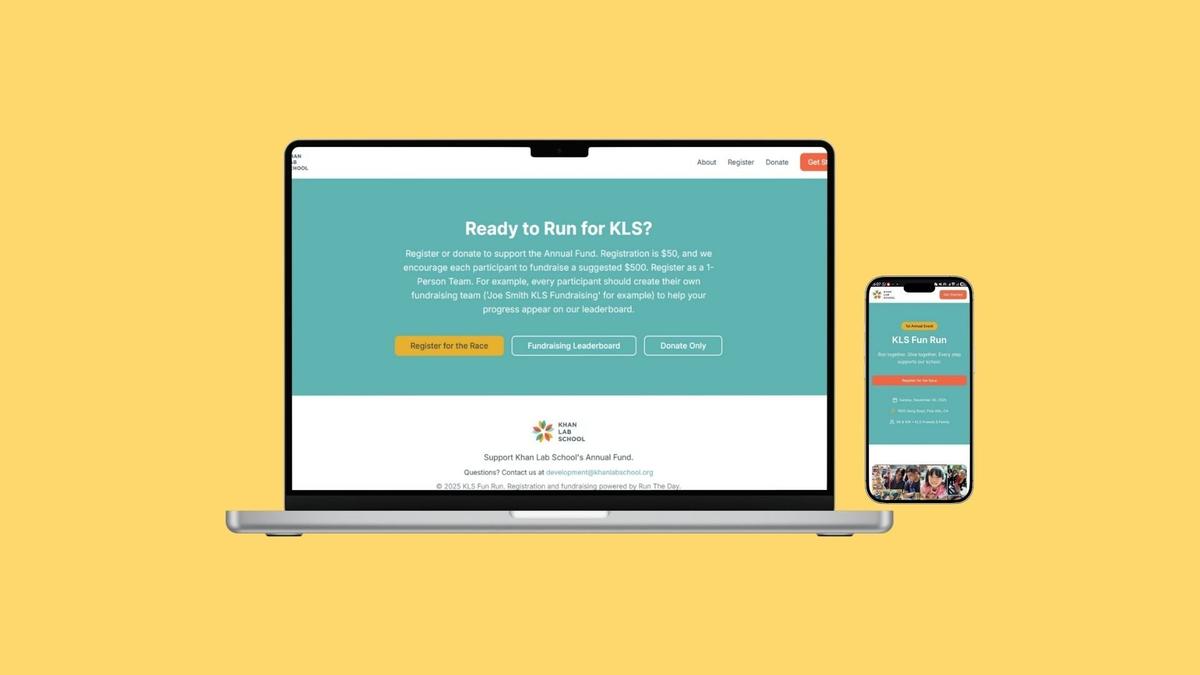
Think you need to spend a lot of money to create a professional 5K website? Think again.
A free race website can act as the digital front door for your event, giving runners one place to learn about the race, register, donate, and find important race-day information.
Modern race website platforms make it possible to create a professional-looking event page without hiring a web designer or paying for a separate website.
In this guide, we'll cover what to include on a free 5K race website, which features matter most, and how to create a website that makes registration easier for participants.
Your race website is more than a landing page. It's where runners can find important information about your event and take action.
A well-organized race website can provide:
It also gives your event a professional online presence that can help build trust with runners, sponsors, and community partners.
If you're still planning the event itself, our guide on how to organize a race can help you work through the major steps from planning to race day.
You don't need dozens of pages to create an effective race website. Focus on the information and features runners actually need.
Your registration process should be quick and easy to complete, especially on a phone.
Collect the information your event needs, such as:
A simple registration experience reduces friction and makes it easier for participants to complete their signup.
For more information on registration specifically, see our guide to 5K race registration software.
If your 5K supports a nonprofit or community cause, fundraising can become an important part of your event.
A race website can make it easier for participants to:
Keeping fundraising connected to your race website gives participants one place to manage their involvement.
A free race website doesn't have to look generic.
Add your:
Consistent branding helps participants recognize your event and creates a more professional experience.
Many runners will discover and register for your event from their phones.
Your website should therefore:
A mobile-friendly website makes the registration experience easier for participants wherever they are.
Your website can continue to be useful after registration closes.
If your registration and timing systems are connected, participants can return to the same website to find their race results after crossing the finish line.
With Run The Day, registration can connect with mobile check-in and chip timing so participants have a consistent experience from registration through race day.
Your race website is often one of the first places runners interact with your event.
Before launching, make sure you've included:
Download our Free 5K Race Website Launch Checklist to make sure your registration, fundraising, branding, sponsor information, email setup, and race-day details are ready before launch.
Add your race logo, colors, images, and sponsor information so the website feels like your event.
Make sure participants can easily browse the site and register from their phones.
Your website and registration system should work alongside participant communications, including registration confirmations, packet pickup reminders, race updates, and post-race messages.
If your timing system supports it, connecting results to your race website gives participants one familiar place to check their finish time and results.
Run The Day provides a free race website designed for races and community events.
The platform brings several race-management tools together, including:
This means race directors don't have to manage a separate website, registration system, and race-day tools.
The result is an easy-to-use, one-stop-shop experience that helps keep your event organized from registration through race day.
A free website can still create a strong first impression.
Add photos from previous races, your community, or the course to help participants understand what makes your event unique.
Use clear calls to action such as Register Now, Join the Team, or Donate.
Include sponsor logos and links where appropriate. A well-presented sponsor section also helps demonstrate the value of supporting your event.
Review your website regularly and update:
Outdated information can create unnecessary questions and confusion.
Once your website is live, use it as the central destination for your race promotion.
Give runners plenty of time to discover your event and register.
Share your registration page, race updates, participant stories, and sponsor announcements through your social channels.
Send registration reminders, race updates, training information, and important race-day details to your participants.
Your website should be the place you send runners whenever they need complete information about the event.
Yes. Race-specific website platforms can provide ready-made templates that organizers can customize without needing web development experience.
Features vary by platform, but a race website can include registration, fundraising, event information, participant communication, timing integration, and results.
Yes. Some race platforms include built-in donation and fundraising functionality.
Yes. A race-specific website can connect your event website directly with online registration, making it easier for participants to find information and register in one place.
Some race management platforms connect registration, check-in, timing, and results. This can reduce the need to move participant information between separate systems.
Creating a free race website isn't just about saving money. It's about giving runners one easy place to learn about your event, register, donate, and find race-day information.
The right platform can combine your website with registration, fundraising, communication, check-in, timing, and results, reducing the number of tools you need to manage.
Whether you're organizing a community 5K, charity race, school event, or a growing race with hundreds or thousands of participants, a well-designed website can make the entire experience easier for both organizers and runners.