The Rundown Newsletter
View Results
Ian Campbell | June 25, 2026
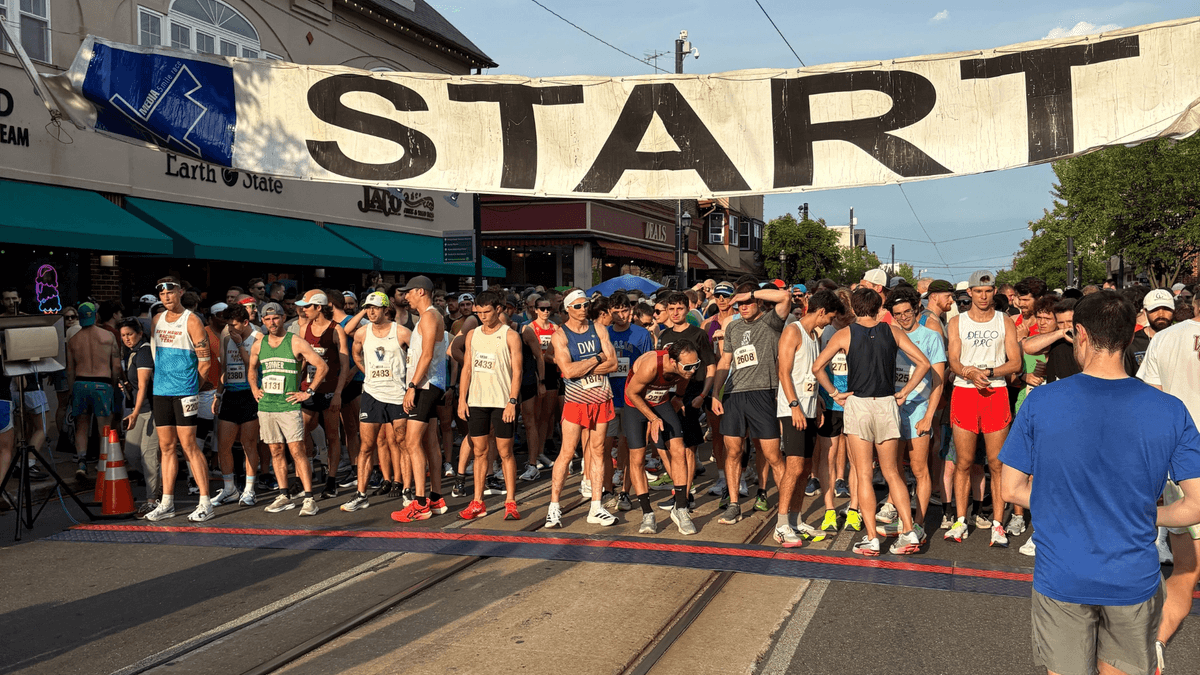
Think about the last time you showed up at a 5K. What really stood out for you? For me, it's always the energy and excitement of groups in matching t-shirts, friends cheering each other on, families running side by side. That’s the power of teams.
When you run with a team, the whole experience gets better, you feel more motivated, more connected, and more invested in the cause you came to support.
Teams naturally bring in more sign-ups, more donations, and make race day more fun and memorable. They're also one of the most effective ways to increase race registrations for community events.
Here’s the thing: runners don’t just sign up for themselves. They bring their friends, their families, their coworkers—sometimes even their neighbors. Teams help you to:
Teams are one of the most effective promotion tactics for local races. If you're looking for additional ideas, see these proven ways to promote a 5K race.
Want more teams, donations, and registrations?
Download our free Team Fundraising Toolkit with proven strategies, sample captain emails, fundraising ideas, and team recruitment templates.
Many race directors enable teams but never give participants fundraising ideas.
Simple strategies include:
The more visible fundraising progress becomes, the more likely teams are to continue sharing and collecting donations.
The challenge is, most platforms make team setup far too complicated. They force organizers into confusing menus, manual configurations and fragmented systems. Some platforms have different types of teams for running and fundraising which creates confusion and frustration.
If you’ve ever tried setting up teams on RunSignUp, for example, you know how frustrating it can be with endless menus, multiple “team types,” confusing permissions, and pricing settings buried deep in admin pages. It feels like you need a manual just to get started.
You’re asked to define “group types,” set permissions, manage restrictions, and configure pricing rules even before a single runner joins. Then, participants have to choose between a “fundraising team” or a “running team,” which only adds to the confusion.
The result? Organizers avoid using teams altogether. Participants get frustrated and bail halfway through registration. Fundraising stalls because no one wants to wrestle with the setup. A feature that should grow your race ends up working against you.
We've covered more platform comparisons in our guide to choosing the best race registration platform for your event.
That’s why we built Run The Day with one thing in mind: keep it easy.
Here’s how team setup works:
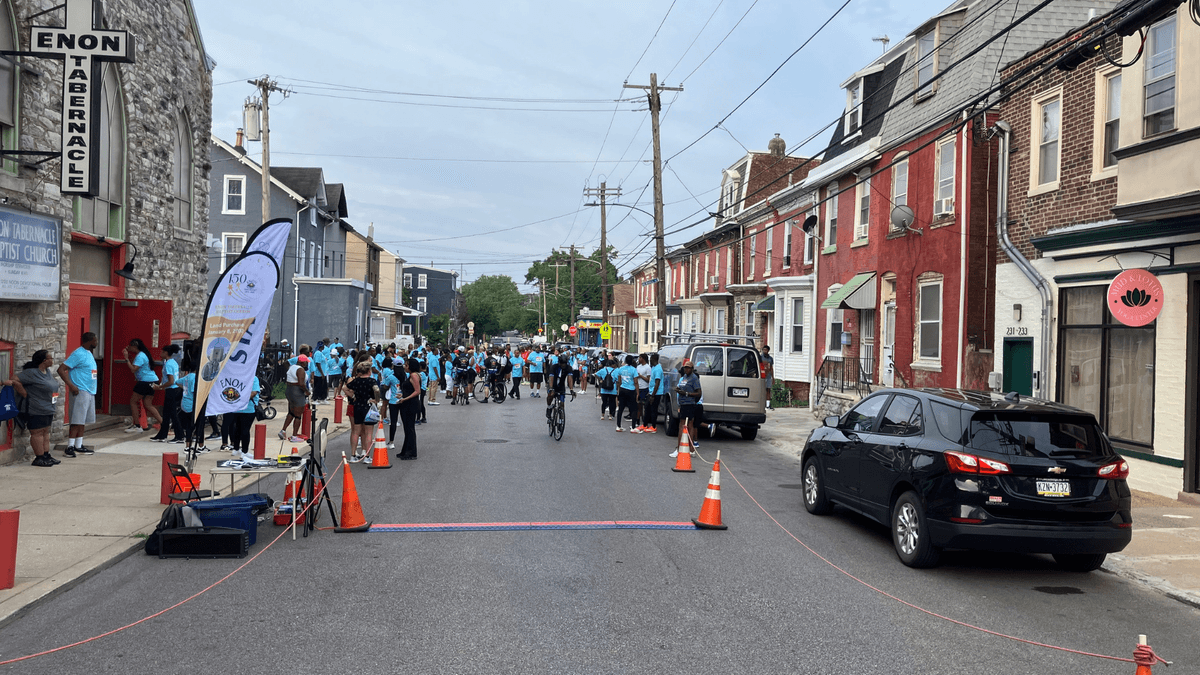
Here are races that are already thriving with Run The Day’s simple team setup:
Run The Day automates team setup so you can focus on your race. With one-click team creation, custom team pages, built-in fundraising, and live leaderboards, you can launch teams with zero headache.
Teams unlock the full potential of your 5K. Combined with the right registration and fundraising tools, they can help create stronger communities and improve long-term event growth. They are especially effective for charity 5K races looking to increase participation and donations.
Choosing the best race registration platform can significantly impact participation, fundraising, and the overall runner experience.
Teams encourage participants to invite friends, family members, coworkers, and community groups, which often results in significantly higher registration numbers.
Yes. Team fundraising creates friendly competition and motivates participants to collect donations from their personal networks.
A good team page includes a team story, fundraising goal, progress tracker, photos, and an easy-to-share donation link.
Absolutely. Corporate teams often increase sponsorship revenue, volunteer participation, and overall event visibility.